
Yogveda Journal Switzerland Vol. 22: Western vs. Yoga Psychology
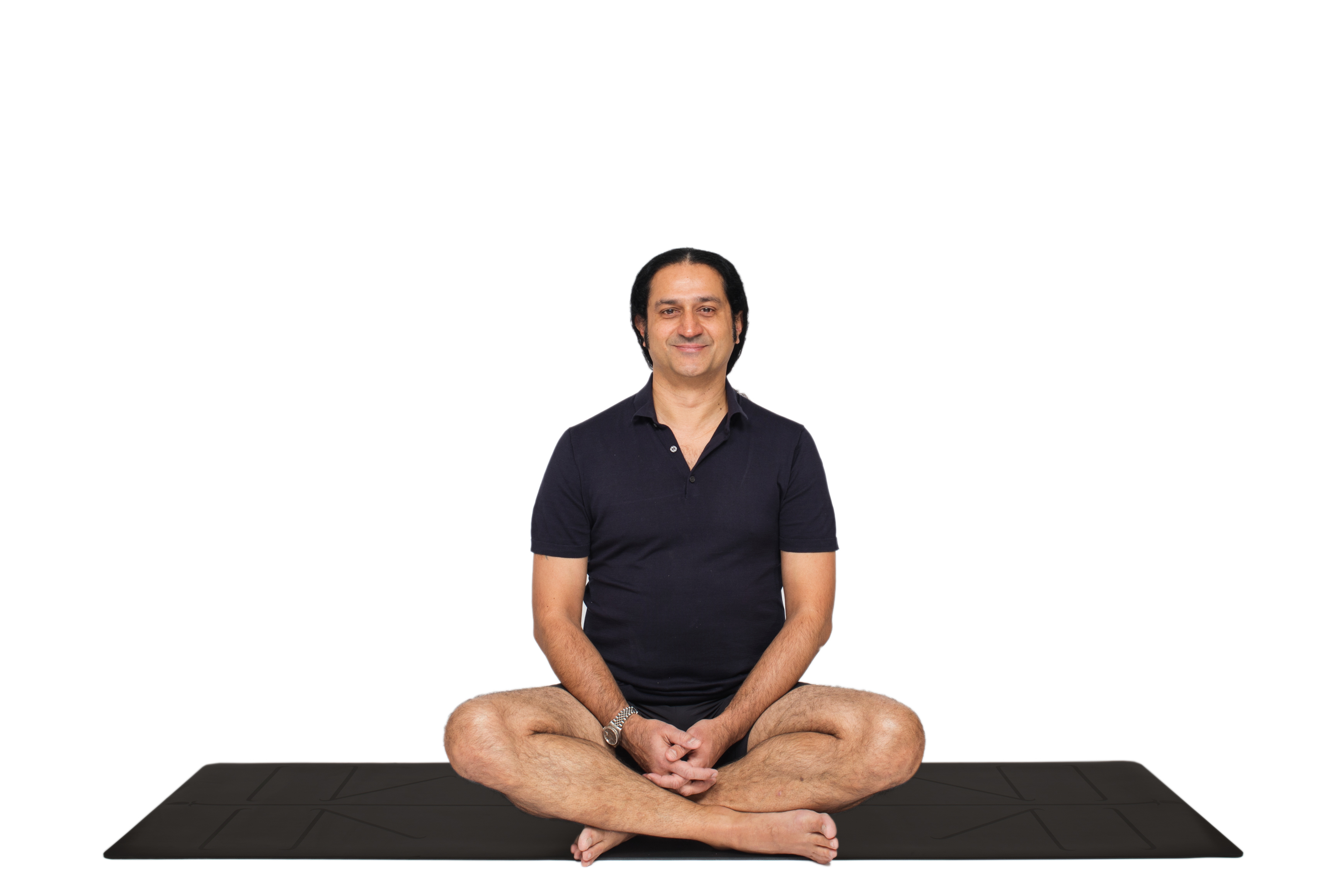

Welcome to the newest edition of the Yogveda Journal, Vol. 22.
It is endlessly amusing to watch modern people try to talk their way out of structural collapse. We live in an era where individuals spend years sitting on a therapist's couch, searching their childhood for the root of their anxiety—completely ignoring the clinical fact that their psoas muscle is so tight it is literally strangling their spine and keeping their nervous system in a perpetual state of panic.
The Western world loves to separate the mind from the body, treating the brain as if it floats in a magical, vacuum-sealed jar. We rub lavender oil on a crooked neck and hope for enlightenment.
In this volume, we put an end to this modern wellness joke. We ruthlessly dismantle the flawed origins of Western psychology and contrast it with Patanjali's hardcore, biological blueprint. We stop guessing on the mat and dive deep into real biomechanics: from the pelvic floor as the true architect of your posture, to the exact mechanics of firing your glutes.
Yoga is not a mystical relaxation exercise. It is applied science. And as Sutra 1.22 teaches us: you get exactly what you put in.
Let us get to work.
Author, Master Shahid Khan
Inside This Volume: The Biological Blueprint

1. What is Psychology? The Flawed Origins of Western Therapy
The modern world loves to talk. We analyze our feelings to the point of exhaustion without ever fixing the biological machine. Discover why traditional Western psychology is often stuck in an endless emotional loop, completely ignoring the structural reality of the body.
Click on the image or here to read the blog.

2. What is Yoga Psychology? Part 2: The Biological Blueprint of Patanjali
Authentic yoga does not care about your "positive vibes." Patanjali delivered a strict, clinical blueprint to end psychological chaos through structural and chemical order. It is time to understand what real yoga psychology actually looks like.
Click on the image or here to read the blog.

3. The Hidden Architects of Posture: Biomechanics of the Psoas and Pelvic Floor
Do you think good posture is achieved by simply pulling your shoulders back? Wrong. Your psoas and pelvic floor are the secret architects of your entire structure. If this foundation collapses, the rest of your body goes down with it.
Click on the image or here to read the blog.

4. Yoga Biomechanics: How to Stretch Glute Muscles in Forward Bends
Stop blindly reaching for your toes while destroying your lumbar spine. Forward bends require precise mechanics. Learn how to intelligently and safely stretch your glutes without sacrificing your joints.
Click on the image or here to read the blog.

5. Yoga Biomechanics: How to Activate Glutes in Backbends
Most backbends in modern yoga are an orthopedic nightmare. Why? Because practitioners either completely clench their glutes or ignore them entirely. Find the golden biomechanical middle ground to protect your lower back.
Click on the image or here to read the blog.

6. Yoga Sutra 1.22 Meaning: Degrees of Intensity and Varying Results
Patanjali was not a fan of half-measures. Sutra 1.22 makes it abundantly clear: your results are directly dictated by the intensity of your practice. Lukewarm effort brings lukewarm results. No magic, just pure physics and ruthless discipline.
Click on the image or here to read the blog.


Comments