
The Hidden Architects of Posture: Biomechanics of the Psoas and Pelvic Floor
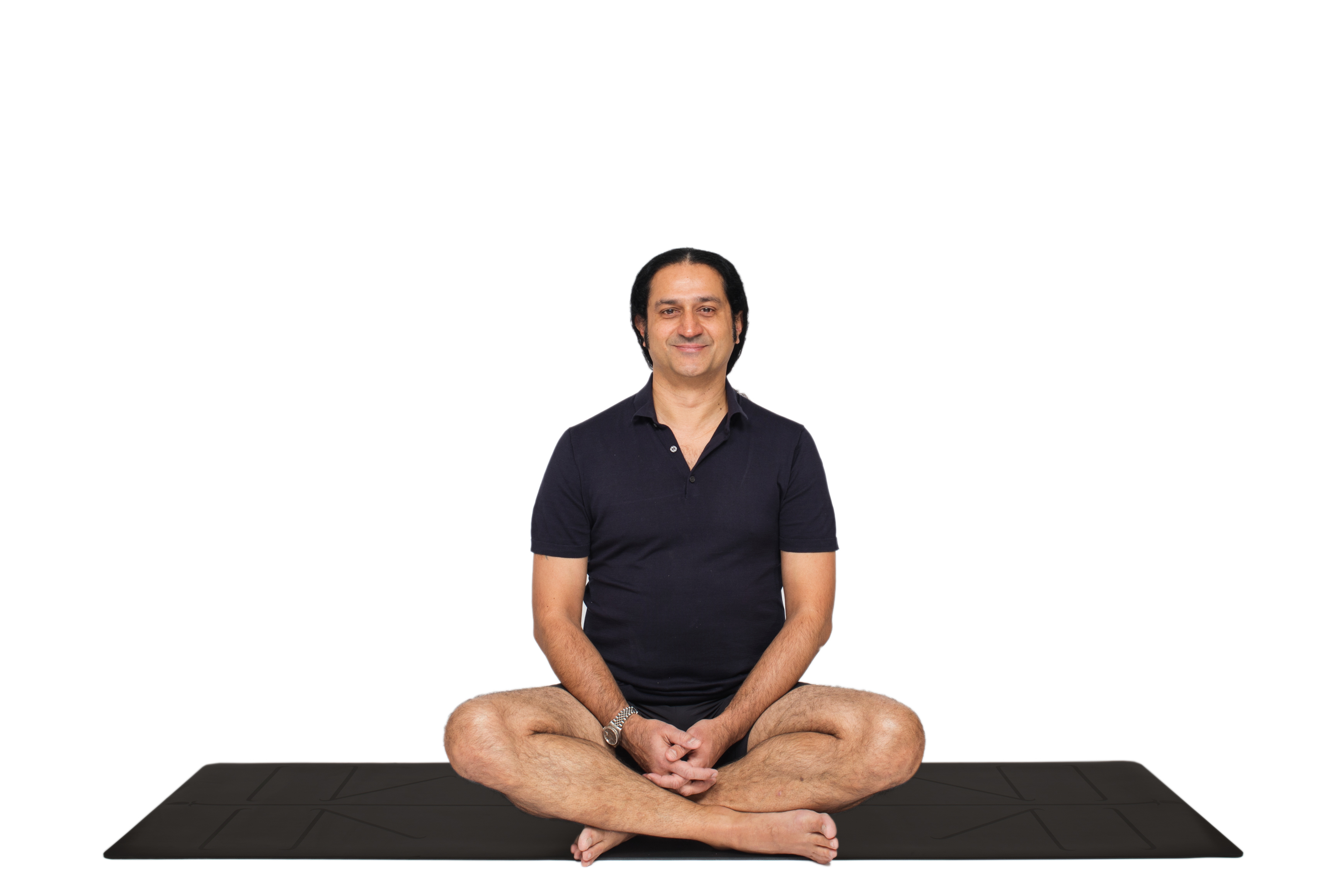

The modern fitness industry has sold a biological illusion. It has convinced the public that a strong "core" is defined by visible six-pack abdominal muscles. In the uncompromising realm of applied biomechanics and Yoga Psychology, superficial abdominal definition is often cosmetic armor that impedes deep respiration. Your true core is not visible in a mirror—but it holds absolutely everything together.
True structural stability does not begin in the back, and it certainly does not begin in the superficial abdominal wall. It originates deep within the pelvic basin. If you suffer from chronic lower back pain, generalized anxiety, a persistent lack of core support, or breathing difficulties, your superficial muscles are not the issue. You are experiencing a functional collapse of your internal architecture: The Pelvic Floor and the Psoas Major.
Anatomy of the Inner Support: Charting the Functional Blueprint
To restore the structural integrity of the human body, we must clinically analyze the underlying anatomical blueprint. The interaction of these deep tissues dictates every movement you make and modulates your nervous system's baseline.
The Pelvic Floor as the Structural Anchor of the Spine
Imagine your pelvis as a bony bowl. The Pelvic Floor is a complex, diamond-shaped hammock of muscles, ligaments, and deep fascial layers that seals the bottom of this bowl. It supports your bladder, intestines, and reproductive organs. Structurally, it is the absolute foundation of your posture. When this foundation is weak or lacks neural drive, the pelvis tilts uncontrollably, throwing the entire lumbar spine immediately out of alignment.
The Psoas Major as the Bridge Between Spine and Legs
The Psoas Major is the deepest and most evolutionarily ancient muscle in the human movement system. It is the only musculo-fascial bridge that directly connects the spine to the legs. It originates at the twelfth thoracic vertebra, weaves down through all five lumbar vertebrae, crosses the pelvis, and attaches to the top of the femur. A strong, supple muscle carries your body weight effortlessly through gravity. A chronically shortened, hypertonic psoas acts as a permanent structural brake on your lumbar spine.
Consequences of Functional Collapse: The Biological Ripple
When this internal support system fails, the consequences are not merely orthopedic; they are deeply physiological and psychological. These Hidden Architects shape your entire experience of reality by modulating your relationship with gravity and stress.
Respiratory Failure and the Blockade of the Breath Motors
If your psoas is shortened due to hours of sitting at a desk, or contracted from bracing against daily stress, efficient respiration is biologically compromised. The diaphragm, your primary respiratory engine, shares fascial tissue and attachment points on the lumbar spine with the Psoas Major. When the Psoas is chronically hypertonic, it physically yanks on the diaphragm, locking it down and restricting its excursion. This forces the body into shallow, emergency-style chest breathing, reinforcing a state of chronic sympathetic stress (fight-or-flight). Free, fluid breath requires deep core space; a dysfunctional Psoas Major destroys that space.
Psychology and the Anatomy of Generalized Anxiety
In clinical Yoga Psychology, the Psoas Major is recognized as a profound physiological stress barometer. When the Autonomic Nervous System perceives a threat, the fundamental core reflex is to fetal-position for protection—a curling inward driven entirely by the Psoas. Instability in this deep core, or chronic Psoas tension, means the body remains perpetually contracted, signaling to the brain that danger is imminent. This constant feed-forward danger signal manifests as generalized anxiety, hypervigilance, and an inability to achieve vegetative rest (Sattva). You cannot "think" your way out of anxiety when your Psoas Major is biologically signaling physical peril. True core strength brings a grounded, undeniable presence that instantly calms the neurological static.
The Applied Yoga Psychology Solution for the Psoas and Pelvic Floor
A dysfunctional, hypertonic deep core cannot be thought into compliance. You must systematically reprogram the deep tissue using targeted clinical protocols that address the nervous system directly.
Applied Neuromodulation Through Mula Bandha
Conventional fitness models often simplify pelvic floor training into isolated contraction exercises. In the rigorous, academic science of Sage Patanjali, this entire area is recognized as Mula Bandha (the Root Lock)—the critical neurological and biological integration center. This is not a metaphysical concept; it is applied neuromodulation. By consciously engaging the Pelvic Floor, you create a physiological anchor. This engagement stabilizes intra-abdominal pressure, supports the lower back, and modulates the pelvic splanchnic nerves, directly signaling the parasympathetic nervous system to trigger deep cellular recovery.
The Exclusive Psoas and Pelvic Floor Workshop in Bern
This master immersion workshop is a targeted clinical intervention. Through applied biomechanics and neurological activation protocols, you will learn to biologically reprogram these Hidden Architects to restore deep internal support and fluid, pain-free movement.
Clinical Anatomy: A full review with visual aids of Pelvic Floor & Psoas Major anatomy—location, function, and spinal connection.
Targeted Practice Protocols: Step-by-step asana practice with hands-on adjustments to release hypertonicity, build core strength, and align the hips.
Breath & Bandha Mechanics: Advanced respiratory techniques using Mula Bandha for deep core support and autonomic nervous system regulation.
Sustainability Protocols: Practical daily micro-practices for lasting structural stability in professional life.
Workshop Details
Workshop: The Inner Support: Awakening the Pelvic Floor & Psoas Major
Quotes for Reflection:
“Stability doesn’t start in the back — it starts in the pelvic floor.”
“A strong psoas carries you — a tight one pulls you down.”
“Your core isn’t visible — but it holds everything together.”
Date: Saturday, 4 July 2026
Time: 09:00 – 14:00
Investment: 125 CHF
Location: Yogveda Yoga Studio, Kramgasse 78, 3011 Bern
Led by: Yoga Master Shahid Khan — Founder of Yoga University Switzerland, Founder of Yogveda Yoga in Bern.
(Note: Maximum capacity is strictly limited to 20 participants to ensure precise, individualized hands-on adjustments. Early booking is highly recommended.)
👉 Yogveda Asana Lesson : Build the physical presence to distinguish between what is real in the body and what is just a feeling.
👉Yogveda Yoga Teacher Training in Bern: Deepen your understanding of Patanjali's philosophy of mind and truth.
Author, Master Shahid Khan


Comments