
Yogveda Journal Vol. 37: Neuroplasticity and Yoga
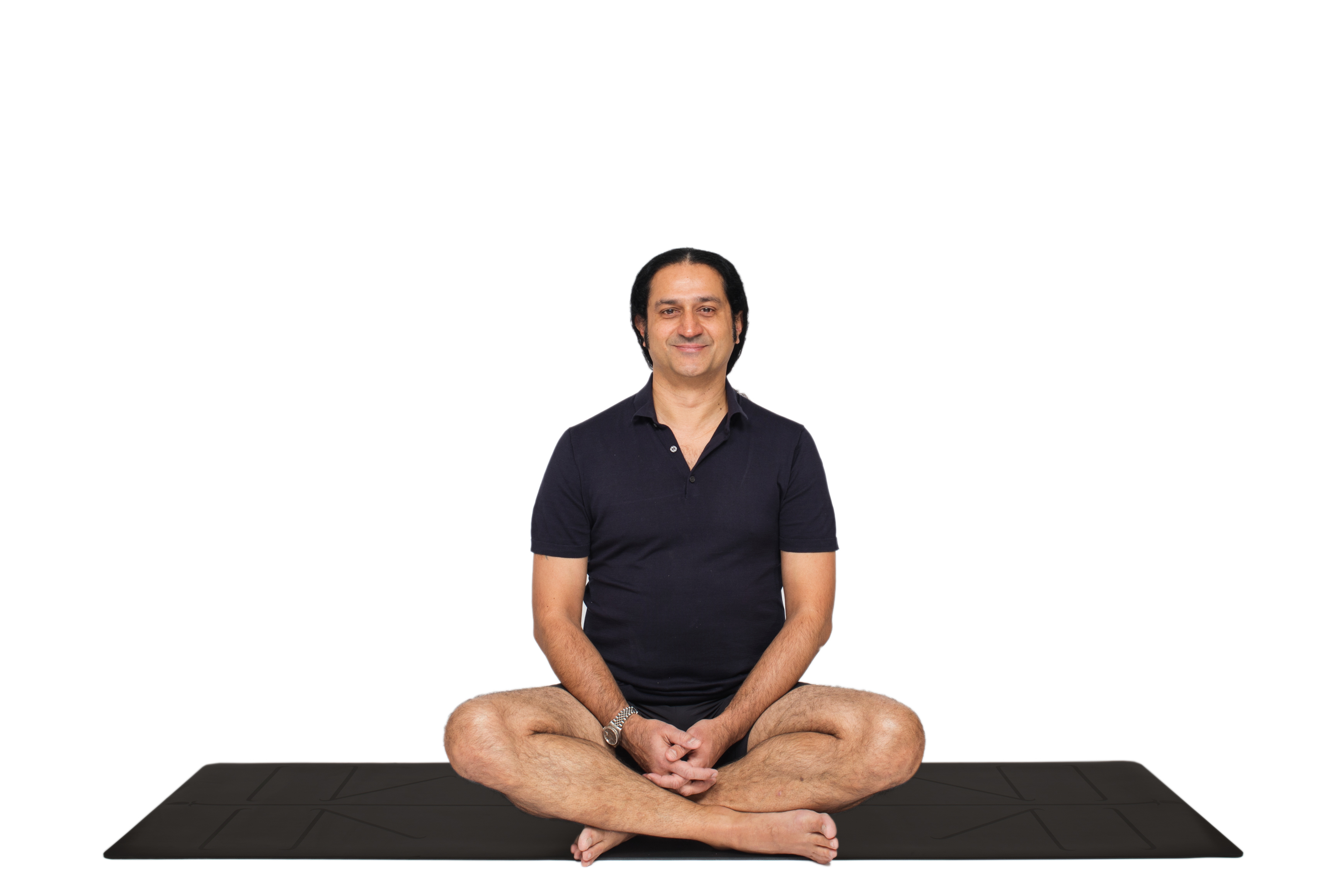

Welcome to the Yogveda Journal, Vol. 37. 2026.
The commercial wellness industry has successfully convinced the public that yoga is a gentle system for stretching muscles and temporarily managing stress. They sell you the illusion that inner peace is a fleeting mood you can somehow manifest through soft breathing, esoteric rituals, and positive thinking. Let me establish the clinical truth immediately: we reject this entirely. Yoga, in its classical, uncompromising form, is a sophisticated, mechanical technology for self-directed neuroplasticity.
In this edition, we strip away the esoteric vocabulary and examine Patanjali's science through the strict lens of clinical neuroscience. You are not on the mat to become flexible. You are on the mat to fundamentally rewire the physical architecture of your brain.
The Biological Prerequisite for a Satisfactory Life
What exactly is neuroplasticity, and why is it the absolute biological prerequisite for a satisfactory life? Neuroplasticity is the central nervous system's mechanical ability to reorganize its structure, function, and synaptic connections in response to direct physical and cognitive intervention.
Without active neuroplasticity, you are biologically trapped in your past conditioning. A fulfilling, sovereign life cannot be achieved through positive affirmations or wishful thinking if your brain remains structurally hardwired for chronic stress and reactive trauma. True satisfaction—what classical yoga defines as unshakeable cognitive stability—requires the physiological capacity to override toxic stress loops, uncouple from external triggers, and build entirely new neural pathways. If you cannot deliberately change your brain's architecture, you cannot change your reality. You remain a permanent hostage to the automatic responses of your autonomic nervous system.
The Physical Architecture of Consciousness
Every habit, every emotional trigger, and every toxic cognitive loop you experience is not a personality flaw; it is a physical neural pathway biologically insulated by myelin. You cannot simply wish away chronic stress, and you cannot think your way out of biological trauma. To genuinely change your mind, you must literally alter the gray and white matter of your brain. Classical yoga provides the exact mechanical framework to do this.
Systemic Neurological Intervention
This is a precise, biological intervention. First, through applied biomechanics and systemic breathing, you actively hack the autonomic nervous system, manually overriding the deeply ingrained fight-or-flight response. Next, you regulate the endocrine system, shifting your emotional baseline from a state of reactive chaos to controlled chemical output.
As the practice deepens, the true cognitive rewiring begins. Through relentless, mechanical focus, you physically deactivate the Default Mode Network (DMN)—the neurological epicenter of the frantic, self-referential ego. When the mind is finally uncoupled from the biological urge to consume (Vītarāga) and the central nervous system is forced into absolute, sorrowless stability, you reach the ultimate peak of human neuroplasticity: Dharma Megha Samādhi.
This is not a mystical trance. It is the quantifiable, structural perfection of the human brain.
This is applied neuroplasticity. Let the work begin.
Author, Master Shahid Khan
Yogveda Yoga Schweiz 🇨🇭
The Masterclass Editorial Articles

The Clinical Architecture of the Brain: Neuroplasticity and Yoga (Part 1) — The Myth of "Muscle Memory" and the Science of Myelination
Why do we blindly accept the myth of "muscle memory" when biological tissue has no capacity to remember? How does classical yoga actually force the myelination of neural pathways to turn conscious effort into permanent, unbreakable neurological architecture?
Click on the image or here to read the blog.

Neuroplasticity and Yoga Part 2 - Rewiring the Autonomic Nervous System: The Clinical Intervention of Pranayama
Is it possible to consciously hack your own fight-or-flight response? How does the precise, mechanical intervention of Pranayama physically override and rewire the deeply ingrained stress loops within your autonomic nervous system?
Click on the image or here to read the blog.

Neuroplasticity and Yoga Part 3 - Regulating the Endocrine System: The Chemical Architecture of Emotion
Are your emotions truly your own, or are they simply predictable chemical outputs generated by a dysregulated body? How can we use applied biomechanics to systematically regulate the endocrine system and gain absolute command over our chemical state?
Click on the image or here to read the blog.

Neuroplasticity and Yoga Part 4 - The Central Nervous System: Silencing the Default Mode Network
What actually happens inside your central nervous system when you finally stop overthinking? How does the strict application of classical yoga mechanically deactivate the Default Mode Network to permanently silence the frantic, self-referential chatter of the mind?
Click on the image or here to read the blog.

Neuroplasticity and Samadhi (Part 5): The Clinical Neuroscience of Dharma Megha Samādhi
Is Samadhi genuinely a mystical, esoteric trance, or is it a strictly measurable physiological reality? What does the ultimate, sorrowless peak of human neuroplasticity—Dharma Megha Samādhi—actually look like under the microscope of clinical neuroscience?
Click on the image or here to read the blog.

Yoga Sutra 1.37 Meaning: Focusing on a Mind Free from Craving (Vītarāga)
How do we clinically uncouple our consciousness from the biological urge to consume? How can we practically apply Patanjali's Yoga Sutra 1.37 to construct a mind (Vītarāga) completely free from craving, attachment, and external dependency?
Click on the image or here to read the blog.


Comments