
The Summer Slump: Why a Scientific Yoga Practice in Summer Is Critical Against Circulatory Crash and Heavy Limbs
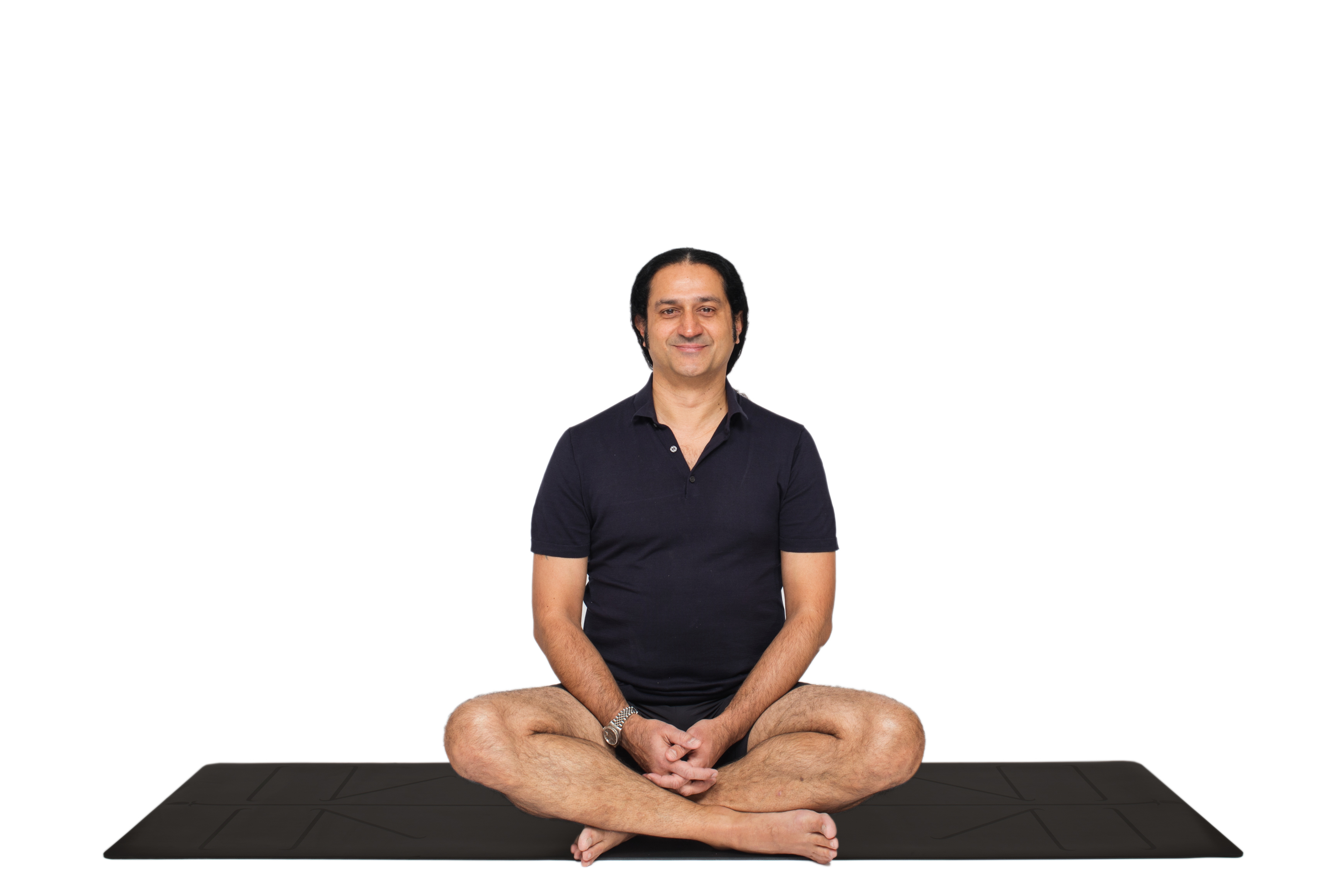

When summer temperatures spike, almost everyone suffers from the exact same issue: the collective summer slump. This physical lethargy is not a sign of laziness or a lack of motivation. It is the direct result of a massive mechanical overload on your cardiovascular system. If you make the mistake of stopping your yoga practice in summer, you leave your body completely defenseless against the physics of heat.
The Summer Phenomenon: Why Extreme Heat Demands an Adapted Yoga Practice in Summer
Under intense heat, we feel physically drained, our legs become heavy, and a thick layer of brain fog makes mental focus at the office impossible. This is an automatic survival response executed by your brain stem to prevent your deep internal organs from overheating.
Venous Pooling and Cerebral Hypoperfusion During Your Yoga Practice in Summer
Without targeted intervention, the heat triggers a vascular chain reaction that destabilizes your entire circulation:
Widening of Blood Vessels (Vasodilation): The nervous system widens the blood vessels closest to the skin to radiate internal heat outward.
Blood Pooling (Venous Pooling): Because of this widening, blood leaves your core. Driven by gravity, it drops straight down and pools heavily in the veins of your lower legs. This is the exact mechanical cause of the swollen, leaden feeling in your limbs.
The Blood Pressure Crash: Since massive amounts of blood are trapped in your lower extremities, the pressure throughout the rest of your circulatory system drops sharply. Your blood pressure plummets.
Oxygen Deficit in the Brain (Cerebral Hypoperfusion): Less oxygen-rich blood reaches your head. Your brain is literally suffocating. This causes vertigo, lethargy, and mental fog. Your heart is forced to beat much faster just to keep you upright, which rapidly drains your vital energy reserves while you are seemingly doing nothing but sitting at a desk.
Practical Summer Survival: Essential Dietary Habits and Your Yoga Practice in Summer
Most people react to this physical shutdown with daily habits that damage the body even further. They flee into air-conditioned spaces – which shocks the soft tissue – or they drink iced coffee, which burns out the already stressed adrenal glands. An authoritative yoga practice in summer only works if you also adjust your daily habits to support your blood pressure.
The Hidden Dangers of Iced Coffee, Processed Sugars, Ice Cream, and Alcohol
The Ice-Water Farce: Ice-cold drinks do not cool you down. They instantly paralyze the vagus nerve and stop your digestion. The brain registers a cold shock in the core and violently pumps blood to the stomach to heat the fluid back up to 37°C. This creates more internal heat and places immense strain back on your circulation. Instead, drink large amounts of lukewarm or warm water.
The Sugar and Ice Cream Trap: Processed sugars and ice cream trigger an inflammatory reaction inside the body. The resulting insulin spikes heavily tax your metabolism and deepen your exhaustion. Instead, consume light, hydrating, and cooling foods like watermelon, cucumbers, mint, leafy green salads, and coconut water. These foods hydrate your cells directly.
The Alcohol Collapse: Alcohol drains vital fluids from your body and widens your blood vessels even further. Consuming alcohol during a heatwave causes an immediate drop in blood pressure and forces the heart into a dangerous state of over-exertion.
Avoiding Peak Sun Exposure: Stay out of direct sunlight during peak hours (between 11:00 and 15:00). The extreme intensity of the radiation during this window severely overloads your endocrine glands and completely depletes your nervous system.
The Most Vulnerable Group: Why the Elderly Require a Therapeutic Yoga Practice in Summer
While the summer slump causes temporary fatigue in younger individuals, extreme heat represents an immediate, life-threatening crisis for seniors. Elderly people belong to the most vulnerable physiological group because their internal adaptive mechanisms heavily degenerate as they age.
Hypothalamic Aging and the Collapse of the Thirst Reflex (Hypodipsia)
The acute danger that seniors face during a heatwave is driven by clear biological changes:
The Sluggish Thermostat: The brain's master thermostat (the hypothalamus) becomes less accurate with age. Seniors register the rise in body temperature far too late, causing life-saving cooling mechanisms like sweating to be delayed.
The Loss of the Thirst Reflex (Hypodipsia): The sensors responsible for monitoring fluid levels in the blood lose their sensitivity. Consequently, seniors rarely feel thirsty, even when they are severely dehydrated. This causes the blood to become thick and viscous, drastically increasing the risk of strokes.
Reduced Cardiovascular Reserve: An aging heart can no longer safely sustain the fast heart rate required to compensate for heat-induced blood pressure drops. This leads to a rapid collapse of the circulation, which can cause sudden fainting. All strenuous movement must be eliminated—a modified, therapeutic practice is critical here.
The Three-Fold Yogveda Summer Solution: Transforming Your Yoga Practice in Summer
You cannot resolve a physical crash in blood pressure or an overheated brain stem with mental willpower. You must use the applied biomechanics of the body to manually reverse the blood flow. Our class structure provides functional solutions over specialized course layouts to achieve this:
Regular Asana Classes, Pranayama Sessions with Sitali, and Restorative Yoga's 5 Passive Postures
Yogveda Yoga Asana Classes: We utilize gravity vectors and muscular-pump activations in precise, modified inversions. This mechanically releases the blood stagnating in the lower limbs and forces it back to the heart, immediately normalizing cardiac output and lightening your heavy legs.
Yogveda Pranayama Classes: We adjust the respiratory rate to cool the brain directly. We deploy the Throat Vacuum to generate a powerful negative pressure gradient in the chest, pulling pooled blood upward like a suction pump and driving it straight to the head to clear fog instantly. Concurrently, we practice Sitali Pranayama (inhaling through the rolled tongue): the physics of evaporative cooling lowers the temperature of the blood vessels beneath the tongue. This cooled blood travels straight to the brain stem, soothing the system and killing the brain fog.
Yogveda Restorative Yoga: This dedicated class is structured entirely around a specific sequence of exactly 5 passive stretching postures. These positions are engineered to deeply quiet the physical body, settle the breath, and still the over-stressed nervous system—completely without sweat or exhaustion.
Step out of the artificial air-conditioned traps, avoid the peak sun, and reclaim your vitality on the mat: use Asana classes to lift the pooled blood from your leaden limbs, Pranayama classes to trigger the brain stem's biological cooling via Sitali, and Restorative Yoga's 5 passive stretching postures to completely calm your body, breath, and nervous system.
👉 Yogveda Asana Lesson : Build the physical presence to distinguish between what is real in the body and what is just a feeling.
👉Yogveda Yoga Teacher Training in Bern: Deepen your understanding of Patanjali's philosophy of mind and truth.
Author, Master Shahid Khan


Comments