
The Science of the Vayus: Understanding and Regulating Your Prana Vayu
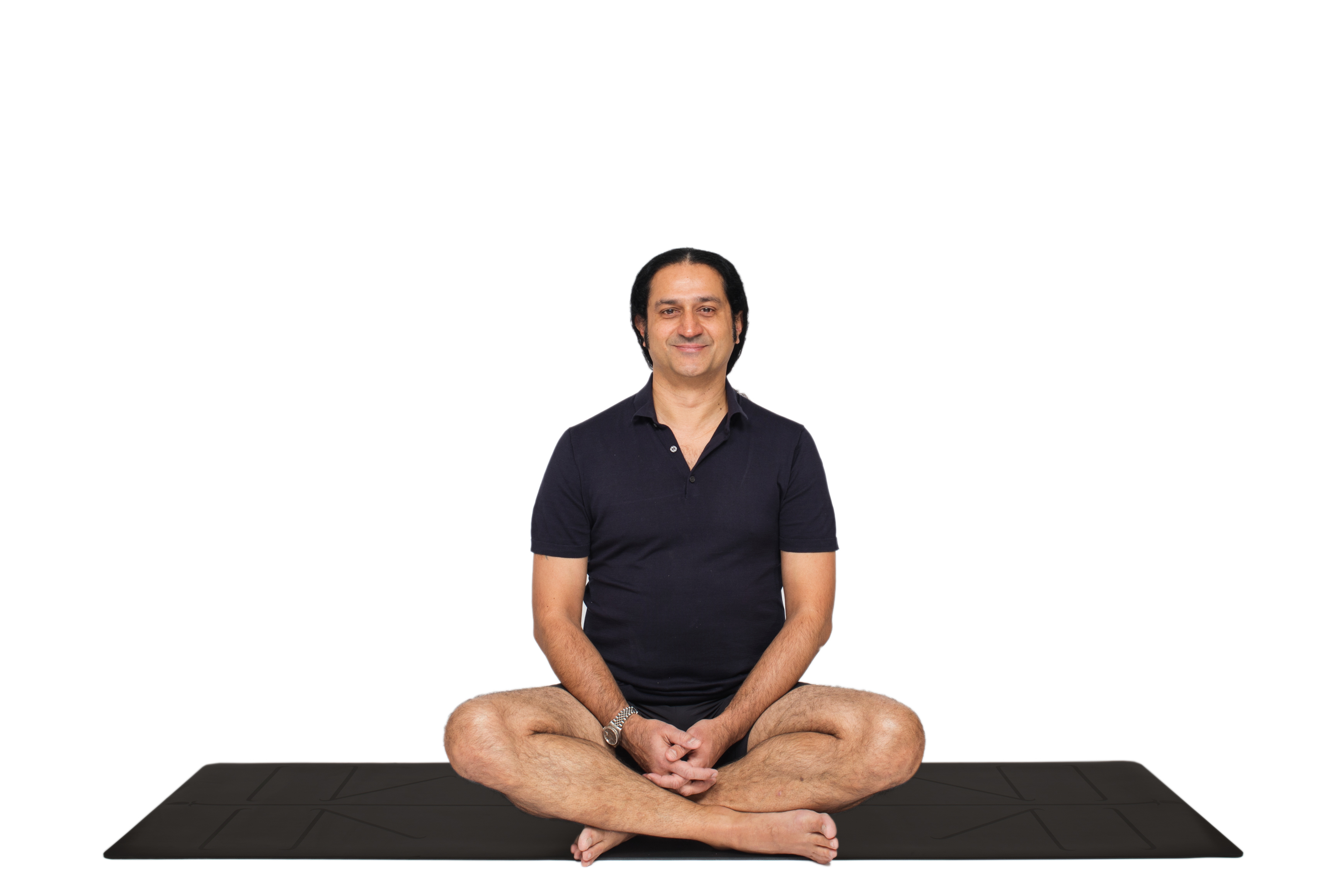

In classical yoga physiology, the movement of vital energy is not treated as a vague spiritual concept or a mystical wellness phrase. Instead, it is understood through a precise, physical mapping of the body's internal currents, known as the five Vayus (or "winds"). These Vayus represent the directional intelligence of kinetic energy within human biology.
They govern every physiological movement, nervous system signal, and cellular reaction in the body. When these internal winds are balanced, systemic health is maintained; when they are disrupted, cellular and neurological function begins to degrade. To arrest this decline, one must master the art of regulating Prana Vayu.
The Physical Reality of Internal Winds
How the Vayus Coordinate the Nervous System
In Sanskrit, the word Vayu translates to "wind" or "kinetic force". From an anatomical perspective, the human body is a dynamic system of continuous movement, pressure gradients, and bio-electric charges. The five primary Vayus—Prana, Apana, Samana, Udana, and Vyana—represent five distinct directions of kinetic energy. They regulate everything from cellular absorption in the gut to the physical elimination of waste.
If the nervous system is the body’s electrical wiring, these internal winds are the specific currents flowing through those circuits. When these currents are balanced, your organs communicate optimally, tissues regenerate, and the brain remains in a stable, parasympathetic state. If these currents are disturbed, neural communication degrades, leading to chronic physical and mental imbalances. To master this internal network, one must prioritize regulating Prana Vayu.
What is Prana Vayu and How Does It Function?
The 3 Motors of Breath and the Dynamics of Prana Vayu
While "Prana" is the general term for life energy, Prana Vayu refers to a highly specific, inward-moving kinetic force. Located primarily in the head, throat, and chest, this current governs sensory intake, respiration, and mental processing. It is the fundamental force of attraction, pulling external energy, oxygen, and information into your biological system.
The physical mechanics of this inward flow rely on the 3 Motors of Breath:
The Nose: The primary filter and thermal regulator of incoming energy.
The Throat: The acoustic and mechanical control hub of airway resistance.
The Diaphragm: The muscular piston that alters thoracic cavity pressure.
Mastering the Throat Vacuum to Succeed in Regulating Prana Vayu
To succeed in regulating Prana Vayu, one must master the physical mechanics of the throat vacuum. During a correct inhalation, a partial closure of the glottis creates a precise low-pressure gradient. This vacuum does not passively receive air; it actively draws oxygen deep into the lower lobes of the lungs where gas exchange is most efficient.
This pressure dynamic mechanically stimulates the vagus nerve and the baroreceptors in the carotid sinuses, sending a powerful, immediate inhibitory signal to the brainstem. This process suppresses the sympathetic nervous system and triggers cell-repair mode. Without this vacuum, breathing remains shallow and inefficient, locking the nervous system in survival mode.
Deglutition and Nutrition: The Physical Act of Swallowing
Prana Vayu does not only govern gaseous substances; it is the mechanical initiator of physical ingestion. It regulates deglutition—the highly complex, neuromuscular reflex of swallowing. The moment food or liquid passes the oral cavity, this inward-and-downward current coordinates the closure of the epiglottis and the sequential contraction of the pharyngeal muscles. It actively draws nutrition down into the esophagus and the stomach.
When your Prana Vayu is disrupted, this biomechanical gateway fails. This manifests as swallowing difficulties (dysphagia), chronic acid reflux, a persistent lump-in-the-throat sensation, and impaired motility in the upper digestive tract.
Neurological Regulation: Why Exhaling Through the Left Nostril Matters
Another critical aspect of regulating Prana Vayu is understanding nasal asymmetry. Exhaling through the left nostril directly recruits the right hemisphere of the brain and down-regulates cardiac activity. While the right nostril activates the sympathetic response, the left nostril acts as the brake pedal for the autonomic nervous system.
By strategically lengthening the exhalation through the left nostril, you directly decrease arterial blood pressure and lower cortisol production. Ignoring this anatomical switch leads to chronic energetic exhaustion and nervous system burnout.
Neurological and Physical Manifestations of an Imbalanced Prana Vayu
Clinical Symptoms of a Blocked or Disturbed Prana Vayu
Because this current regulates your sensory gates and upper nervous system, any disruption to your Prana Vayu immediately forces the body into a sympathetic survival response. In the modern environment, our sensory organs are flooded with constant digital stimulation, blue light, and high-stress inputs. This chronic overload congests your Prana Vayu, exhausting the Autonomic Nervous System, leading to:
Respiratory Dysfunction: Chronic shallow breathing and rapid chest-breathing patterns that continuously trigger stress hormones in the brain.
Cognitive and Emotional Turbulence: Racing thoughts, persistent anxiety, insomnia, endocrine exhaustion, and severe brain fog.
Physical Tension: Tightness in the thoracic cavity, difficulty swallowing, asthma, and chronic tension headaches.
The Yogveda Solution: Restoring Prana Vayu Through Applied Biomechanics
Regularly Attend Yogveda Asana, Pranayama Classes and Yoga Workshops to Master Regulating Prana Vayu
Restoring a disturbed nervous system requires more than passive relaxation. At Yogveda Yoga Switzerland, we address these imbalances through applied biomechanics to physically realign how the body moves energy. By correcting postural alignment of the thoracic spine, opening the rib cage, and utilizing precise breath work, we structurally open the physical pathways of Prana Vayu.
Stopping the constant depletion of your nervous system starts with restoring order to your internal currents. Correcting your breathing patterns and reducing sensory overload allows the brain to exit survival mode and initiates deep cellular repair.
Regularly attend Yogveda Asana, Pranayama Classes and Yoga Workshops to master regulating Prana Vayu. Gain a deeper understanding of your unique energetic blueprint, master the clinical science of breath, and restore systemic health. Join and live longer.
👉 Yogveda Asana Lesson : Build the physical presence to distinguish between what is real in the body and what is just a feeling.
👉Yogveda Yoga Teacher Training in Bern: Deepen your understanding of Patanjali's philosophy of mind and truth.
Author, Master Shahid Khan


Comments