
The Atharvaveda: The Science of Microbiology, Immunology, and Environmental Ecology
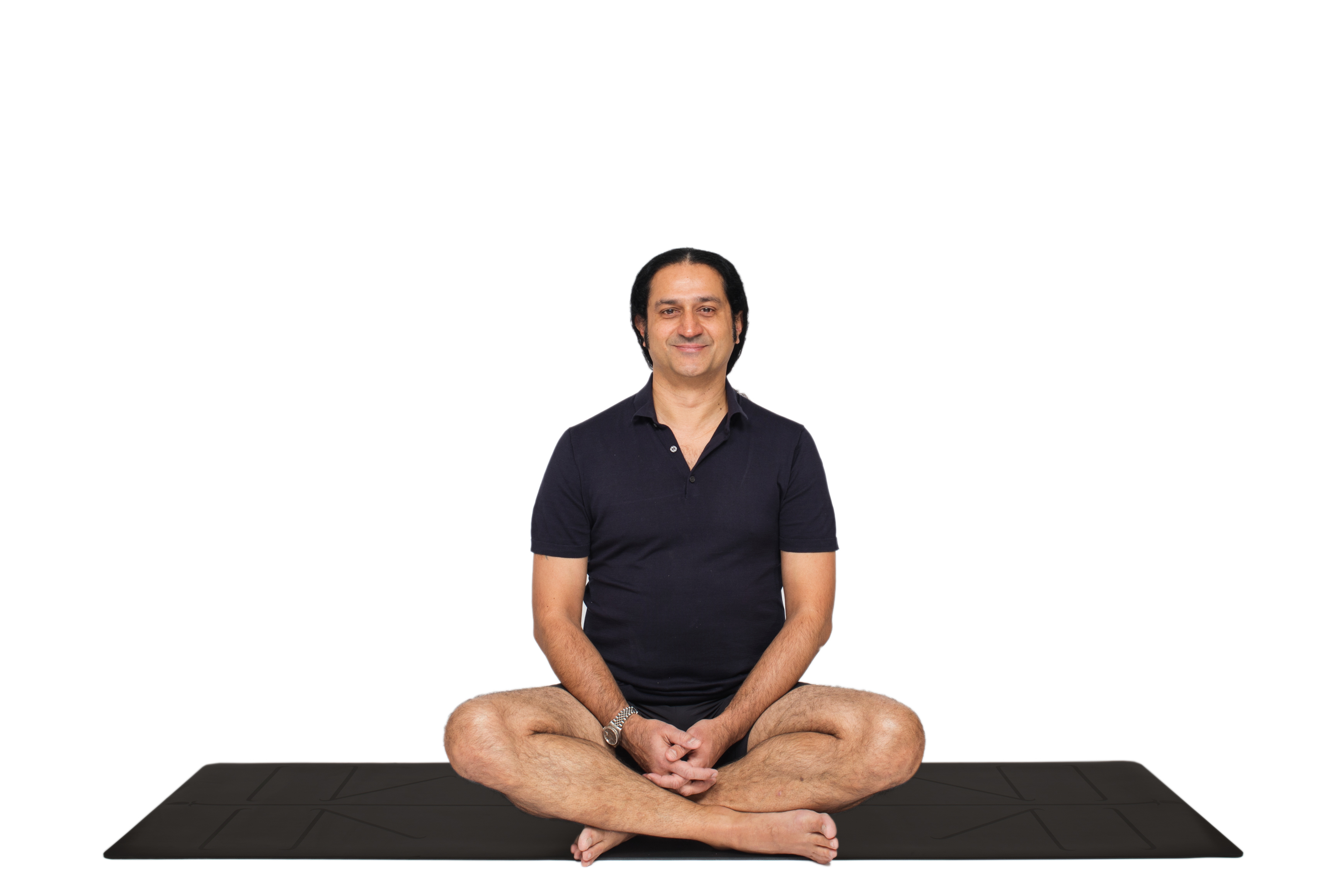

To understand how ancient Vedic science completes its mapping of human biology, we must examine the preservation of living tissue. If the Rigveda maps cognition (data), the Sāmaveda maps respiratory vibration (acoustics), and the Yajurveda maps kinetic execution (biomechanics), the Atharvaveda provides applied somatic defense—the empirical science of microbiology, immunology, pharmacology, and environmental homeostasis (Chikitsā / Biological Preservation).
Far from being a primitive collection of magic spells or folklore, the Atharvaveda is an ancient clinical manual for neutralizing pathogens, regulating the neuro-endocrine axis, and maintaining ecological balance.
What is the Atharvaveda and How Was It Structured?
The word Atharvaveda derives from the Sanskrit root Atharvan, referring to the systematic procedure of maintaining physical stability and neutralizing biological disruption. It serves as the direct historical and textual source code for Ayurveda (the classical science of Indian medicine).
Dimension | Historical & Textual Fact |
Historical Period | Codified during the Later Vedic Period (c. 1000 BCE – 800 BCE). |
Structure | Comprises 20 books (Kāṇḍas) containing 730 hymns and nearly 6,000 verses. |
Primary Disciplines | Bhaisajya (Botanical Pharmacology), Krimi-Vidyā (Microbiology and Parasitology), and Prithvi Sukta (Ecological Sanitation). |
Medical Continuity | Functions as the direct antecedent to the clinical pathology later systematized in the Charaka Samhita and Sushruta Samhita. |
The Core Clinical Disciplines
The Atharvaveda organizes biological preservation into three primary vectors:
Bhaisajya (Botanical Pharmacology): The empirical study of plant chemistry, thermal extractions, and mineral preparations used to restore cellular metabolism and repair tissue damage.
Krimi-Vidyā (Microbiology): The classification, tracking, and elimination of microscopic organisms that invade human tissue and compromise the immune system.
Prithvi Sukta (Environmental Ecology): The study of human biology as an open system that requires clean soil, unpolluted water, and ecological equilibrium to sustain physiological health.
Deconstructing Mainstream Search Engine Results
If you search Google for the Atharvaveda today, the dominant snippet summarizes the text as:
"Atharva Veda: A unique body of practical hymns, charms, healing prayers, and domestic rituals reflecting early traditions."
While this description is widespread, it represents a superficial translation created by 19th-century philologists who lacked the vocabulary of modern clinical pathology, microbiology, and neuro-endocrinology. To understand the Atharvaveda through an empirical lens, we must translate these four colonial terms into exact biological and medical realities:
1. "Charms" were Neuro-Acoustic Algorithms
What mainstream search engines call "charms" were precise vocal formulas designed to influence human neuro-physiology. Specific acoustic vibrations stimulate the vagus nerve, inducing parasympathetic dominance and lowering sympathetic stress hormones (cortisol and adrenaline). You cannot heal inflamed tissue or mount an effective immune response while the body remains locked in a chronic stress state.
2. "Healing Prayers" were Autonomic Stress-Reduction Protocols
The "healing prayers" were intentional cognitive and respiratory exercises aimed at stabilizing the nervous system. By shifting the mind out of reactive anxiety (dhīra), these protocols prevent over-activation of the Hypothalamic-Pituitary-Adrenal (HPA) axis, protecting cellular health and immune function.
3. "Domestic Rituals" were Sanitation and Public Health Protocols
The "domestic rituals" described in the text were daily preventive hygiene practices. They included boiling water, burning antibacterial herbs (thermal sterilization and fumigation), utilizing solar UV exposure for disinfection, and maintaining soil and water sanitation—establishing early public health standards.
4. "Practical Hymns" were Mnemonic Medical Catalogues
Before written medical journals existed, information was preserved orally. The "practical hymns" were structured mnemonic formulas used to memorize botanical taxonomy (Bhaisajya), microbial pathogens (Krimi-Vidyā), toxicology, and anatomical dynamics.
5. "Demons" were Pathogenic Microorganisms (Krimis)
The Atharvaveda does not describe supernatural monsters. It explicitly categorizes disease-causing agents as Krimis—invisible, tissue-destroying pathogens that invade the bloodstream, digestive tract, and organ systems. Long before the invention of the optical microscope, the text classified Krimis by their shape, color, host tissue, and transmission vector.
Key Verses: The Mechanics of Ecology, Pathogens, and Homeostasis
The clinical depth of the Atharvaveda is best understood through its foundational verses, which map the relationship between human health, circulation, and the external environment in simple, precise language.
1. The Ecological Law of Immunity (Prithvi Sukta)
Mātā bhūmiḥ putro ahaṁ pṛthivyāḥ |(Atharvaveda 12.1.12)
Translation: "Earth is the mother; I am the child of the soil."
Scientific Deconstruction: Human biology is an open system that constantly exchanges matter with its environment. Your immune resilience (Ojas) cannot be separated from the health of your surroundings. If soil quality degrades, water sources become contaminated, or ecosystems collapse, human biological defenses fail. The Prithvi Sukta establishes that personal health depends directly on environmental health and clean living conditions.
2. The Neutralization of Microorganisms (Krimi-Vidyā)
Utasya krimayo hatāḥ sarve chāsam atīttaran |Ye krimayaḥ parvatānām ye krimayaḥ vanānām ||(Atharvaveda 2.31.1)
Translation: "All disease-causing organisms (Krimis) are systematically destroyed—those residing in tissue fluids, those originating from mountain waters, and those born in forest vectors."
Scientific Deconstruction: The Atharvaveda systematically maps how infections spread. It recognizes that pathogens enter the body through water, soil, and organic matter, establishing targeted protocols to reduce microbial load across different organ systems.
3. Solar Sterilization and Heliotherapy (Krimi-Nāśana)
Udyann ādityaḥ krimīn hantu nimrochan hantu raśmibhiḥ |Ye antarikṣe ye divi ye pṛthivyām atho krimīn ||(Atharvaveda 2.32.1)
Translation: "May the rising sun destroy unseen micro-organisms with its rays, and may the setting sun do the same—those floating in the air, those inhabiting the soil, and those residing inside the body."
Scientific Deconstruction: Long before modern photobiology, the Atharvaveda identified sunlight as a primary natural antimicrobial agent. Broad-spectrum solar radiation inactivates airborne and surface pathogens, while simultaneously triggering vitamin D production in the skin to support immune function.
4. Botanical Phytochemistry (Oṣadhi Sukta)
Yāḥ phalinīr yā aphalā apuṣpā yāśca puṣpiṇīḥ |Bṛhaspati-prasūtās tā no muñcantv aṁhasaḥ ||(Atharvaveda 8.7.20)
Translation: "May all botanical species—those bearing fruit, those without fruit, those with flowers, and those without—endowed with medicinal power, free the body from disease."
Scientific Deconstruction: The Atharvaveda laid the groundwork for plant-based pharmacology (Bhaisajya). It categorizes plants not just by how they look, but by their active natural compounds (such as antioxidants and antimicrobial agents) that reduce tissue damage and help clear metabolic waste.
5. Vascular Fluid Dynamics and Hemostasis (Dhamanī)
Amūr yā yānti yoṣito hitā dhamanayo lohitāḥ |Abhrātara iva jāmayas tiṣṭhantu kṣīra-śārikāḥ ||(Atharvaveda 1.17.1)
Translation: "These red blood vessels (dhamanīḥ) that course through the body—let them remain regulated, balanced in tone, and steady in their fluid pressure."
Scientific Deconstruction: An early anatomical description of the circulatory system. The text emphasizes the necessity of maintaining healthy blood vessels, smooth circulation, and balanced blood pressure to prevent tissue damage and internal bleeding.
6. Systemic Anti-Inflammatory Homeostasis
Vāṅ ma āsan nasoḥ prāṇo 'kṣṇor cakṣuḥ śrotre śrotram |Yo 'yam ātmā 'nabhitakto'vyatho 'har-ahar vardhatām ||(Atharvaveda 19.60.1)
Translation: "May speech reside in my mouth, breath in my nostrils, vision in my eyes, hearing in my ears. May this body remain free from internal heat [inflammation], free from pain, and thrive day by day."
7. Autonomic Regulation and Longevity (Āyuṣyam)
Akāmo dhīro amṛtaḥ svayambhūḥ rasena tṛpto na kutaścanūnaḥ |Tam eva vidvān na bibhāya mṛtyor ātmānaṁ dhīram ajaraṁ yuvānam ||(Atharvaveda 10.8.44)
Translation: "Free from compulsive stress, calm, resilient, self-sustained, nourished by vital essence—knowing this steady, un-aging self, one does not fear physical decay."
Scientific Deconstruction: Emotional stability (dhīra) and freedom from constant stress help calm the nervous system. By reducing the chronic release of stress hormones like cortisol, the body slows down cellular wear and tear, protecting long-term health and vitality.
Applied Somatics and Immunology in Yogveda Yoga
The Atharvaveda’s emphasis on cellular health, nervous system balance, and anti-inflammatory hygiene connects directly to physical practice.
In Master Shahid Khan’s Yogveda Yoga, physical movement and breathwork are used as intentional tools to regulate the autonomic nervous system. Rather than treating Yoga as casual stretching, Yogveda Yoga applies posture, alignment, and focused breath to encourage lymphatic circulation, reduce stress hormones, and support natural immunity. By maintaining proper structural alignment and nervous system balance, practitioners create the optimal physical conditions for cellular recovery and long-term health.
Preview: How the Science of Immunity Decayed into Superstition
How did an empirical science of microbiology, plant medicine, and immunology turn into tales of magic spells and superstitious charms?
The cause lies in historical institutional destruction: the destruction of ancient university and medical centers (such as Takshashila and Nalanda) and the decline of formal scientific debate (Shāstrārtha).
On August 15th, we will publish a detailed historical study on this topic: how the loss of academic institutions led to a decline in scientific understanding (Buddhi Bhrashti), how practical medical texts were misconstrued as folklore, and how systematic medical knowledge was replaced by ritualism.
Biological Health Through Direct Action
The Atharvaveda rejects fatalism and passive waiting:
Immunity Requires Discipline: Health is not maintained by wishing or praying, but through conscious attention to hygiene, nutrition, and nervous system balance.
Environment Shapes Health: You cannot maintain internal health in an unclean environment. Clean water, pure air, and environmental care are practical necessities.
The Body Works as One System: Nervous system regulation, blood circulation, and tissue health must function together to maintain stability.
Join Yogveda Asana and Pranayama classes, as well as Yoga workshops in Switzerland, to support your health and better understand your body's natural biology.
👉 Yogveda Asana Lesson : Build the physical presence to distinguish between what is real in the body and what is just a feeling.
👉Yogveda Yoga Teacher Training in Bern: Deepen your understanding of Patanjali's philosophy of mind and truth.
Author, Master Shahid Khan
Yogveda Yoga Switzerland 🇨🇭


Comments