
The Sāmaveda & the Bio-Acoustic Science of Sound: Deconstructing Sāman, Neuromuscular Frequency, and Auditory Regulation
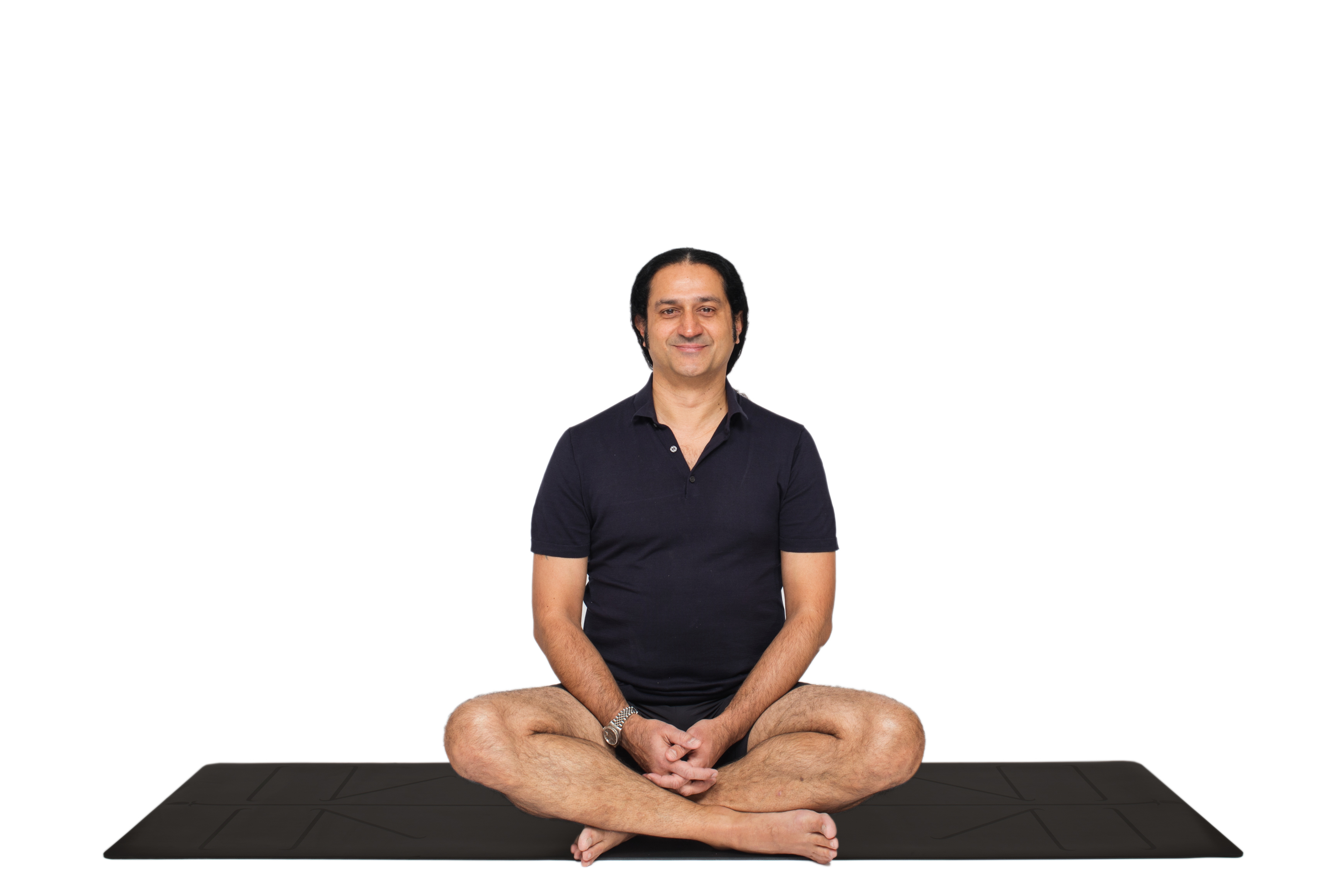

To understand the evolution of Vedic epistemology, one must look beyond text and examine the physics of sound. If the Rigveda represents the foundational data of natural law, the Sāmaveda represents its applied acoustic frequency. Far from being a collection of religious hymns or ritualistic songs, the Sāmaveda is an ancient, empirical system of bio-acoustics—mapping how vocal resonance, pitch, and meter directly alter human physiology, nervous system regulation, and cognitive function.
What is the Sāmaveda and How Did It Arrive?
The word Sāmaveda derives from two Sanskrit roots: Sā (meaning "expression" or "verse") and Ama (meaning "sound", "harmony", or "rhythm"). Together, Sāman translates to "a measured acoustic melody" or "harmony that balances the system."
While the Rigveda provides the cognitive framework (Ṛk—the verse), the Sāmaveda provides the acoustic vehicle (Sāman—the frequency). Classical Upanishadic texts explicitly state: "Rigveda is the speech (Vāc); Sāmaveda is the breath (Prāṇa)." One cannot
function without the other.
Structural Dimension | Historical & Textual Fact |
Historical Period | Codified during the Later Vedic Period (c. 1200 BCE – 1000 BCE). |
Textual Composition | Comprises 1,875 verses across main recensions (such as Kauthuma and Jaiminīya). Roughly 1,500 are drawn directly from the Rigveda (specifically Mandalas 8 and 9) and restructured for precise vocal execution. |
Structural Division | Divided into two main sections: the Ārcika (the verse-text archive) and the Gāna (the songbooks detailing exact pitch, duration, and acoustic notation). |
The Physics of Linguistic Resonance: How Phonetic Structure Shapes Consciousness and Society
Sound is a mechanical wave that physically vibrates the skull, alters brainwave states, and modulates the autonomic nervous system. Long before the brain decodes the semantic meaning of a word, it processes the acoustic frequency, attack, duration, and cadence of the sound itself.
The phonetic architecture of any spoken communication directly influences neuro-biology, emotional regulation, and behavioral output—scaling from the individual organism up to the collective consciousness of an entire society:
Acoustic Roughness and Amygdala Activation: Phonetic structures dominated by sharp, percussive plosives, abrupt glottal stops, and high-frequency acoustic transients trigger immediate sympathetic nervous system responses. The amygdala interprets sharp, abrupt acoustic attacks as environmental threats, stimulating the release of cortisol and adrenaline.
Vagal Tone and Parasympathetic Down-Regulation: Continuous, fluid, and resonant phonetic structures with long vowel extensions and smooth nasalized endings alter vocal tract airflow mechanics. Sustained, smooth exhalations during speech stimulate the recurrent laryngeal nerve and vagus nerve, increasing Heart Rate Variability (HRV) and stabilizing autonomic tone.
Proprioceptive Facial-Kinematic Feedback: Producing harsh, percussive sounds requires tight contraction of the facial, laryngeal, and intercostal musculature. Through proprioceptive feedback loops, the brain interprets these muscular contractions as states of internal tension, reinforcing vigilance and irritability.
The Societal Scale of Sound
Because the human nervous system continuously tunes itself to environmental stimuli (neuroception), the predominant acoustic structure spoken and heard within a community acts as a constant neuro-biological conditioning mechanism:
Aggressively Tuned Phonetic Systems: Language systems built around harsh, abrupt, and explosive acoustic transients maintain the population in a baseline state of low-grade sympathetic arousal, producing a culture characterized by elevated base-level aggression, confrontational dynamics, and heightened defensive posture.
Soft and Resonant Phonetic Systems: Language systems characterized by continuous, fluid, and harmonic acoustic frequencies down-regulate sympathetic drive across speakers, fostering a societal baseline of calm, reduced reactivity, and structural stability.
Volatile and Emotionally Modulated Systems: Phonetic systems featuring dramatic pitch fluctuations, rapid cadence shifts, and intense tonal variability continuously cycle the brain between high-arousal and low-arousal states, generating a culture prone to dramatic expression, rapid mood shifts, and emotional reactivity.
Peer-Reviewed Scientific Evidence: Acoustics, Linguistics, and Physiology
Modern peer-reviewed research across neuroscience, psychoacoustics, and autonomic physiology directly validates the empirical mechanics documented in the Sāmaveda:
1. Acoustic Roughness and Threat Circuitry (Arnal et al., Current Biology & Royal Society)
Neuroscientific research led by Luc Arnal demonstrated that sounds containing high "acoustic roughness"—rapid, erratic amplitude modulations in the 30–150 Hz range (found in screams, alarms, and harsh, aggressive speech patterns)—bypass standard cortical processing. Instead of traveling straight to the auditory cortex for rational translation, these sound waves selectively target the amygdala. This triggers an instantaneous threat response, elevating cortisol, heightening vigilance, and driving defensive behavior.
2. Autonomic Resonant Vocalization & Baroreflex Sensitivity (Bernardi et al., British Medical Journal)
A landmark study by Luciano Bernardi examined the physiological impact of rhythmic, resonant vocalizations. Repeating resonant acoustic structures at a frequency of 0.1 Hz (6 breaths per minute) drove a dramatic increase in Heart Rate Variability (HRV) and baroreflex sensitivity. This shifted the autonomic nervous system away from sympathetic fight-or-flight into parasympathetic homeostasis, reducing systemic stress.
3. Polyvagal Cues and Prosody (Stephen Porges, Polyvagal Theory)
Dr. Stephen Porges’ Polyvagal Theory proves that the nervous system scans acoustic cues for safety or danger via cranial nerves V, VII, IX, X, and XI. High-transient, erratic sounds trigger middle ear muscle tension and a sympathetic freeze-or-fight response, while smooth, resonant acoustic prosody signals safety to the visceral nervous system, promoting social engagement and neuro-somatic repair.
4. Neural Limbic Deactivation via Resonant Vocalization (Kalyani et al., International Journal of Yoga)
Functional neuroimaging (fMRI) studies conducted during sustained nasalized vocalizations (OM / M sound, as practiced in the Udgītha protocol) demonstrated significant limbic deactivation. The mechanical vibration generated in the larynx and nasal passages stimulates the auricular and laryngeal branches of the vagus nerve, directly down-regulating the amygdala-HPA axis.
5. Kinematic Feedback and Sound-Symbolism (Ramachandran & Hubbard / Strack et al.)
Research on cross-modal sound-symbolism (the Bouba/Kiki effect) demonstrates that the human brain innately maps sharp, jagged phonetic sounds (Kiki) to harsh somatic shapes and tight muscular states, whereas rounded phonemes (Bouba) map to relaxed physiological states. Proprioceptive facial feedback studies prove that producing harsh phonetic sounds forces facial and laryngeal muscle contractions that the brain interprets as distress, directly altering mood and behavior.
The Physics of Sāman: Bio-Acoustics and Vagal Stimulation
The ancient Rishis recognized that information processing in the human brain is not merely intellectual; it is deeply physiological. Words spoken as flat prose affect the cerebral cortex, but words executed through precise acoustic resonance bypass rational filters to directly regulate the autonomic nervous system.
The Birth of the Saptasvara (The Seven Tonal Scale)
The Sāmaveda is the historical origin of the world's first structured musical scale—the Saptasvara (Ṣaḍja, Ṛṣabha, Gāndhāra, Madhyama, Pañchama, Dhaivata, Niṣāda). In the ancient Sāmavedic tradition, these notes were chanted in a precise descending scale (Nidhana) to induce deep parasympathetic relaxation. They were calibrated pitch frequencies designed to resonate at specific bio-mechanical and neural centers in the human body.
Neurological and Physiological Mechanics
Vagal Nerve Stimulation: The prolonged vocalization of Sāmavedic chants (Gāna) requires controlled, extended diaphragmatic exhalation. This sustained intra-thoracic air pressure stimulates the vagus nerve in the larynx and pharynx, activating the parasympathetic nervous system (lowering heart rate, reducing cortisol, and optimizing Heart Rate Variability).
Brainwave Entrainment: The precise rhythmic meters (Chhandas) set the brain’s neural oscillations into Alpha and Theta states, shifting the mind away from reactive, sympathetic survival loops toward focused, reflective awareness.
Vocal Tract Vibration and Nitric Oxide: The acoustic resonance generated during Sāmavedic chanting creates mechanical vibration in the sphenoid bone, paranasal sinuses, and nasal cavities, stimulating endothelial nitric oxide production and enhancing cerebral blood flow.
Key Sāmavedic & Upanishadic Verses: Textual Deconstruction
1. The Hierarchy of Speech, Breath, and Sound
Eṣām bhūtānāṁ pṛthivī rasaḥ... vācō rasō ṛc ṛcaḥ rasō sāma ||(Chhāndogya Upaniṣad 1.1.2)
Translation: "Of all elements, the earth is the essence; of the earth, water; of water, plants; of plants, the human organism; of the human organism, speech (Vāc); of speech, the verse (Ṛk); and of the verse, Sāman (acoustic frequency) is the ultimate essence."
Scientific Meaning: This verse establishes a biological and physical hierarchy. Raw matter matures into human consciousness, which expresses itself through language (Vāc). Language structures itself into ideas (Ṛk), but the ultimate refinement of an idea is its acoustic frequency (Sāman). Sound mechanics represent the highest leverage point for influencing human biology.
2. Prāṇa as the Foundation of Frequency
Prāṇō vāva sāma, prāṇē hi sarvaṁ sāma pratiṣṭhitam ||(Chhāndogya Upaniṣad 1.3.1)
Translation: "Prāṇa (respiratory/vital force) is indeed Sāman; upon Prāṇa is all Sāman established."
Scientific Meaning: The Sāmaveda explicitly identifies sound frequency as an extension of respiratory mechanics (Prāṇa). Without precise control of diaphragmatic movement, subglottal pressure, and breath rate, acoustic resonance cannot occur. Frequency control is fundamentally respiratory regulation.
3. The Union of Form and Frequency
Sāma vai ṛcaḥ patiḥ ||(Sāmaveda Brāhmaṇa)
Translation: "Sāman (sound/frequency) is the master and fulfiller of Ṛk (form/text)."
Scientific Meaning: An intellectual concept (Ṛk) remains an abstract idea until it is embodied through breath and vibration (Sāman). Cognitive understanding must be paired with somatic nervous system regulation to create actual behavioral change.
4. The Science of the Udgītha
Om ity etad akṣaram udgītham upāsīta... ||(Chhāndogya Upaniṣad 1.1.1)
Translation: "Let a person focus their awareness on the syllable OM, which is the Udgītha (the high-resonating chant)..."
Scientific Meaning: The text deconstructs OM (A-U-M) not as a religious deity name, but as the foundational acoustic trilogy of human speech:
A: Produced at the back of the throat (diaphragmatic initiation).
U: Resonating through the oral cavity and palate (thoracic stabilization).
M: Nasalized closure (cranial vibration and nitric oxide release).
The Udgītha protocol is an acoustic exercise designed to align breath, vocal tract vibration, and central nervous system focus.
5. Acoustic Precision and Frequency Accuracy
Tasmād uccair udgātrā gātavyam, svara-śuddhir hi prāṇasya rakṣakam ||(Jaiminīya Upaniṣad Brāhmaṇa)
Translation: "Therefore, the chant must be executed with precise pitch and tonal clarity; for purity of tone (Svara-Śuddhi) is the protector of vital energy (Prāṇa)."
Scientific Meaning: Distortion in pitch or vocal strain causes vocal cord friction, erratic breathing, and sympathetic arousal. Mathematical accuracy in frequency execution ensures that the vocal tract operates at maximum efficiency without wasting metabolic energy.
6. Sāmatva: Equanimity Through Acoustic and Physical Balance
Sāmatvaṁ yoga ucyate ||(Derived from Vedic Epistemology)
Translation: "Equanimity, symmetry, and balance are defined as Yoga."
Scientific Meaning: Rooted in the word Sāman, true Yoga is the attainment of Sāmatva—a state where neuromuscular tension, emotional reactivity, and mental fluctuations (Citta-Vṛtti) are smoothed out into homeostatic equilibrium. Sound mechanics are used as a precision tool to shave off neuro-somatic friction.
Application in Yogveda Yoga: Master Shahid Khan’s Yogveda Yoga directly translates this Sāmavedic principle of Sāmatva from acoustic frequency into the physical execution of Asanas and Pranayama. Just as Sāmavedic frequencies eliminate acoustic distortion to achieve neural balance, Yogveda Asana mechanics eliminate joint shear, muscular compensation, and structural misalignment. The proprietary Yogveda Yoga Mat, engineered by Master Shahid Khan, follows this exact scientific principle—serving as a biomechanical alignment grid designed to enforce precise physical symmetry, spatial geometry, and structural equilibrium during practice.
Reclaiming Acoustic Science Over Religious Dogma
Over centuries, the clinical bio-acoustics of the Sāmaveda were corrupted by religious dogmatism and reduced to mindless singing (Kīrtan) or commercialized sound healing.
While an aggressively structured acoustic environment induces Buddhi Bhrashti (the degradation of intellect through chronic limbic arousal and stress), the calibrated, mathematically precise frequencies of Sāman were engineered to bypass emotional reactivity entirely, inducing Sāmatva—complete neuro-somatic equanimity.
True Sāmavedic science is not about passive listening or emotional devotion; it is a rigorous, self-directed discipline (Pauruṣa) that uses vocal physics and physical mechanics to master the body and mind:
Pitch and Precision Over Emotion: The efficacy of a chant relies on mathematical pitch (Svara), duration (Mātrā), and breath control—not on emotional hysteria.
Internal Regulation Over External Deities: The target of Sāmavedic resonance is your own autonomic nervous system, brainwaves, and biological tissues, not an entity in the sky.
Direct Cause-and-Effect: Changing the vibration of the vocal tract changes internal biology. It is an empirical law of physics and physiology (Kārya-Kāraṇa).
By understanding the Sāmaveda as the applied physics of sound, breath, and structural balance, we strip away superstitious beliefs and restore the ancient, scientific bridge between acoustics, physiology, and self-mastery.
Join Yogveda Asana and Pranayama classes, as well as Yoga workshops, to heal and learn more about your unique biology. Experience human movement and consciousness as a measurable, empirical science of transformation.
👉 Yogveda Asana Lesson : Build the physical presence to distinguish between what is real in the body and what is just a feeling.
👉Yogveda Yoga Teacher Training in Bern: Deepen your understanding of Patanjali's philosophy of mind and truth.
Author, Master Shahid Khan
Yogveda Yoga Switzerland 🇨🇭


Comments