
Yoga Practice in Summer: Use the Heat and "Sitali" to Fix Hormonal Problems and Prevent Winter Pain
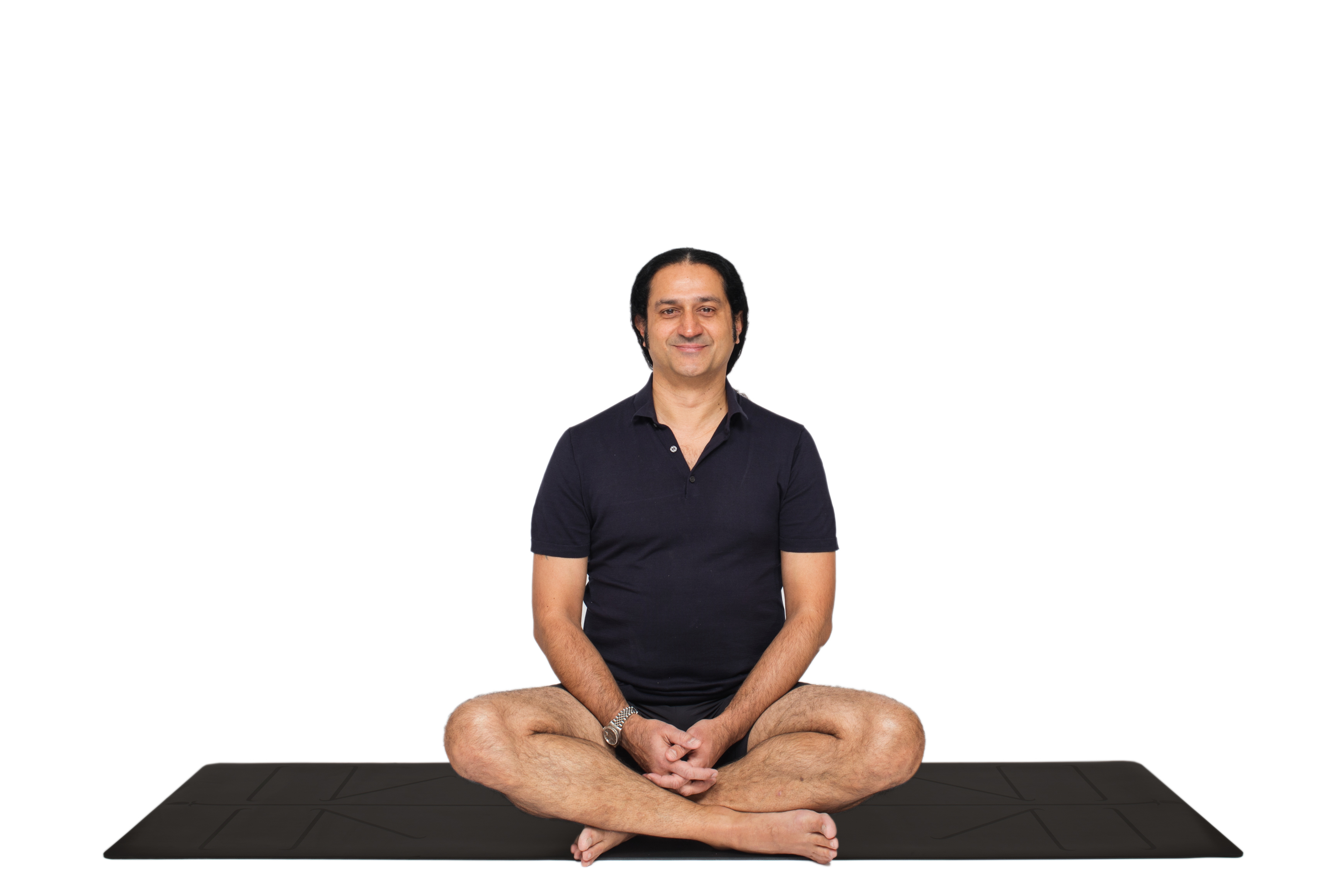

When summer arrives, the average yoga student consistently makes one of two major structural errors. They either skip their practice entirely to hide in air-conditioned rooms, or they run into artificially overheated "Hot Yoga" studios for a sweaty, exhausting workout. Both approaches display a complete lack of understanding of how your body, your muscles, and your hormones actually operate.
Natural summer heat is not an inconvenience to avoid—it is a massive, irreplaceable biological gift.
If you choose to abandon your yoga practice in summer, you are actively sabotaging your own body. This is the only window of the year when your soft tissues are compliant enough to truly correct deep-seated structural alignment issues, and your glandular networks are primed to reset. If you do not utilize this natural warmth now, you are systematically preparing your body for stiffness, chronic hormonal problems, and severe spinal pain once the winter season arrives.
Tissue Thermodynamics: Why a Regular Yoga Practice in Summer is Essential
Your muscles and connective tissues (the fascia) radically change their physical consistency based on environmental temperature. They behave exactly like honey or clay: when they are cold, they harden and push back; when they are warm, they melt and flow.
Thixotropy and Melting Hardened Muscles with Your Yoga Practice in Summer
During the hot months, natural ambient heat changes the fluid state inside your connective tissue network. It transitions from a thick, stagnant gel into a smooth, highly compliant liquid state. In medical physics, this property is known as thixotropy.
The defensive, protective stiffness inside your joints and tendons drops to its lowest annual level.
Your myofascial chains become highly pliable, allowing for easier, safer lengthening.
The mechanical risk of creating micro-tears in the tissue during deep stretching hits zero.
Muscles are naturally softer right now. This means you can safely access ranges of motion (Range of Motion) that are completely locked during the winter due to arthritic guarding or cold-induced fascial cross-linking. Maintaining a dedicated yoga practice in summer is a mandatory skeletal maintenance window. If you refuse to stretch and realign your skeleton while the clay is warm, you miss your only seasonal chance to reverse structural degeneration.
The Endocrine Reset: Addressing Hormonal Problems Naturally
Natural summer heat does far more than just soften your muscular structure—it communicates directly with your master endocrine glands. Living in a permanent, climate-controlled bubble keeps your glandular system stagnant and sluggish. Practicing in natural warmth forces a necessary, adaptive survival reset.
Thyroid Activation and Cortisol Regulation Through an Intelligent Yoga Practice in Summer
In cold weather, the human body naturally down-regulates specific metabolic pathways to conserve vital core energy. For many individuals, this chronic slowdown manifests as persistent hormonal problems, such as a sluggish thyroid, a frozen metabolism, chronic lethargy, and uncomfortable fluid retention in the tissues.
Summer acts as nature's cellular accelerator.
Practicing scientific yoga in natural ambient heat drastically boosts blood flow to your endocrine organs, flushing out metabolic waste products and waking up dormant hormone receptors. If you abandon your practice during the summer, you enter the winter with an already compromised, sluggish hormonal system, ensuring weight gain and low vitality by the end of the year.
Furthermore, the commercial "Hot Yoga" industry actively ruins your hormonal pathways by forcing fast, aggressive movements inside unventilated, artificially heated rooms. This fake, synthetic heat shocks your organism. It triggers a massive survival spike of cortisol (the stress hormone) and adrenaline from your adrenal glands. This is not healing; it is absolute endocrine exhaustion. Authentic Yogveda Yoga utilizes only natural, ambient summer heat to calm the nervous system, lower baseline cortisol, and allow your reproductive and metabolic hormones to repair.
The Winter Reckoning: What Happens When You Skip Your Yoga Practice in Summer
If you choose physical laziness today, you will pay a heavy biomechanical price tomorrow. Tissue that is not stretched, hydrated, and systematically realigned during the summer will rapidly freeze and collapse the moment the temperature drops.
Preventing Spinal Compression and Chronic Pain via an Aligned Yoga Practice in Summer
When autumn and winter arrive, your nervous system automatically triggers a defensive survival program:
Reflexive Tightening: To protect your core temperature, peripheral blood vessels narrow, and muscles automatically tighten to generate heat through constant, imperceptible micro-shivering.
The Cement Effect: The fluid in your fascia turns back into a thick, unyielding gel. Any deep muscle shortening you ignored during your yoga practice in summer instantly hardens like cold cement.
Spinal Crushing: These hardened, shortened muscle chains exert a relentless, continuous compressive force on your facet joints and lumbar intervertebral discs (L1 to L5).
This is exactly how winter chronic pain is engineered. Sciatica, lower back spasms, arthritic knee friction, and frozen necks do not happen by accident—they are the direct, logical result of summer neglect. You cannot complain about winter stiffness and structural pain if you refused to mold the clay while it was warm.
The Yogveda Solution: Internal Cooling Through Sitali Pranayama and the 3 Motors of Breath
An authentic practice under the strict science of Yogveda Yoga strategically capitalizes on external environmental heat to soften and change the body, while using highly specialized techniques to keep the internal organs perfectly cool. This is the key to addressing hormonal problems and managing thermal stress without neuroendocrine panic.
The Ultimate Biological Coolant: Sitali Pranayama
The most powerful mechanism for naturally cooling the organism during a yoga practice in summer is Sitali Pranayama, also known as the "cooling breath." In this technique, the tongue is rolled into a tube or funnel, protruding slightly between the lips. One inhales deeply and slowly through this rolled tube, then closes the mouth, gently retaining the breath before exhaling through the nostrils.
This process utilizes the precise laws of evaporative cooling:
Evaporation on the Tongue: The incoming air rushes over the moist surface of the rolled tongue, creating immediate evaporation.
Bloodstream Cooling: A vast network of large blood vessels runs directly beneath the tongue's surface. The evaporative cold mechanically cools this blood before it circulates back into the rest of the torso.
Sitali Pranayama cools the system not just thermally, but neurologically. The technique directly stimulates the vagus nerve, immediately pacifying the parasympathetic nervous system and lowering cardiac stress markers. It is the biological equivalent of switching on an air conditioning unit in the brainstem.
The Yogveda Biomechanical Cooling Axis
In addition to Sitali, we utilize the 3 Motors of Breath (Nose, Throat, Diaphragm) for comprehensive thermoregulation:
Lumbar Decompression: We systematically open the space in the lower back ($L1 to L3) to remove mechanical pressure from the sympathetic nerve chains, immediately calming the stress axis.
The Throat Vacuum: Dropping the diaphragm against active abdominal resistance generates a physical throat vacuum that immediately stimulates the vagus nerve, manually lowering your heart rate.
Left-Nostril Exhalation: We focus heavily on slow, controlled breathing out of the left nostril (Ida Nadi). This triggers the parasympathetic rest-and-cool mechanisms, dropping internal heat and preventing stress hormone spikes.
This is applied biomechanics. You use the soft state of your summer muscles to dissolve deep physical blocks, while training your nervous system to stay completely calm under thermal stress.
It cools the system more efficiently than any air conditioner, regulates hormonal problems, and pacifies neuroendocrine panic cascades at the root. If you refuse to mold the clay while it is warm, do not wonder why it cracks and breaks when the frost arrives. Utilize nature for your yearly biological upgrade.
👉 Yogveda Asana Lesson : Build the physical presence to distinguish between what is real in the body and what is just a feeling.
👉Yogveda Yoga Teacher Training in Bern: Deepen your understanding of Patanjali's philosophy of mind and truth.
Author, Master Shahid Khan


Comments