
Yogveda Journal Switzerland Vol. 13: The Mechanics of Breath (Pranayama Part 2)
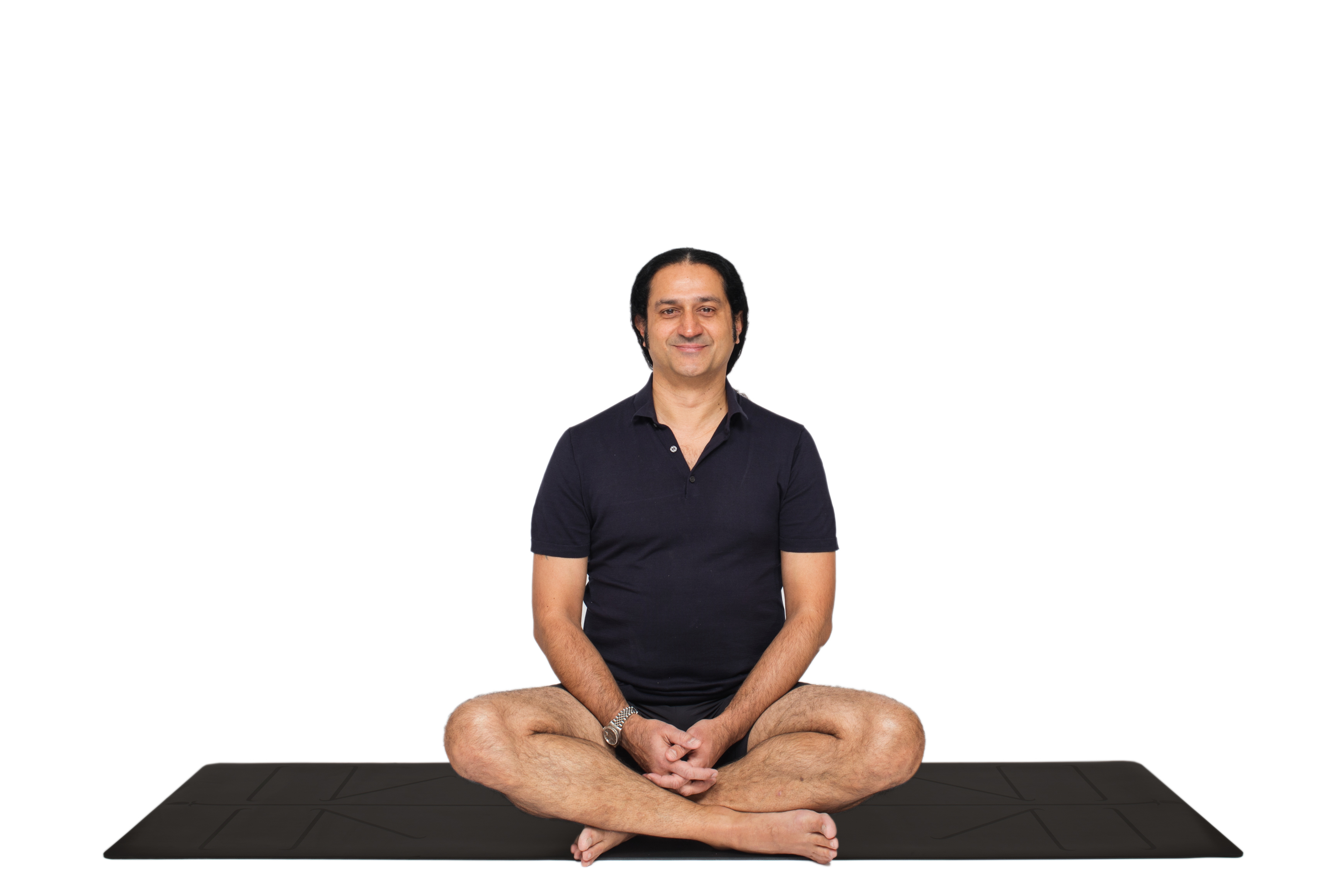

The Editorial: Breath is Life. Breath is Mind. Breath is the Bridge to Samadhi.
Welcome to Volume 13. Let’s talk about the absolute foundation of your existence. Breath is life. Breath is mind. Breath is the direct, mechanical bridge to ultimate realization. Yet, despite executing this biological function 20,000 times a day, most humans treat it like an afterthought. We huff, we puff, we breathe through our mouths like stressed-out animals, and then we wonder why our nervous systems are constantly crashing.
Modern wellness has turned "Pranayama" into a literal clown show. You are told to sit cross-legged and imagine glowing energy floating through your chakras while mindlessly hyperventilating. Let’s strip the circus act away. Pranayama is pure, uncompromising biology.
There is a direct, practical connection you must understand: Your respiration is the steering wheel for your consciousness. When you control the objective mechanics of respiration (Life), you chemically and structurally dictate the neurological fluctuations of the brain (Mind). And once the mind is completely stabilized through this clinical precision, you cross the threshold into Samadhi—the ultimate system override where the illusion of the mind is entirely absorbed into absolute reality.
In this second part of our Pranayama series, we are looking at the cold, hard science of that bridge. We will dissect the anatomical differences between hyperventilation and actual yogic breathing, look at how a buzzing sound chemically alters your nervous system, and examine how isolating a single nostril acts as a manual switch for your brain hemispheres. Because reading about breathing won't fix your hardware—only brutal, mechanical repetition will.
Author, Master Shahid Khan
This Week’s Collection: The Clinical Science of Respiration

1. The Science of Pranayama: Why Nasal Breathing is a Biological Wonder.
If you are breathing through your mouth, you are entirely bypassing your body's built-in filtration and chemical regulation system. The nasal cavity doesn't just pull in air; it pressurizes it, heats it, and chemically treats it. Discover the raw biological facts of why nasal breathing is the only correct way to operate your respiratory machine.
Click on the image or here to read the blog.

2. What is Kapalbhati? The Anatomical Difference Between Kapalbhati and Bhastrika.
Walk into a modern yoga class, and you will see people violently hyperventilating and calling it enlightenment. There is a strict, mechanical difference between Kapalbhati (a passive inhale with an active abdominal pump) and Bhastrika (a forced thoracic expansion). Let’s look at the actual anatomy of your diaphragm and stop the respiratory chaos.
Click on the image or here to read the blog.

3. What is Bhramari Pranayama? The Science of the Humming Bee Breath.
Making a buzzing sound while you breathe isn't about feeling "zen" or imitating an insect. It is a calculated mechanical vibration that physically stimulates the vagus nerve and triggers a massive dump of nitric oxide in the nasal cavity. Learn the clinical science behind how this simple sound forces your nervous system to power down.
Click on the image or here to read the blog.

4. What is Surya Bhedana Pranayama? The Biological Reality of the "Sun Piercing" Breath.
The term "Sun Piercing" sounds like pure mysticism, but it is actually a precise biological mechanism. By mechanically isolating and breathing strictly through the right nasal passage, you actuate the "gas pedal" of your sympathetic nervous system. Learn how to manually override your biology to generate heat and alertness.
Click on the image or here to read the blog.

5. What is Anuloma Pratiloma Pranayama? The Biological Reality of Hemispheric Synchronization.
Alternating your breath between your left and right nostrils isn't designed to balance your "aura." It is a structural, neurological tool used to force the left and right hemispheres of your brain into synchronization. Discover the scientific reality of how nasal dominance dictates your brainwave activity.
Click on the image or here to read the blog.

6. Yoga Sutra 1.12 Meaning: The Two Tools of Mastery (Abhyasa & Vairagya).
Patanjali divides the mind's fluctuations into two strict columns: klishta (painful) and aklishta (non-painful). Your suffering is simply klishta vrittis running out of control. In Sutra 1.12, Patanjali provides the exact methodology to master them using two tools: Abhyasa (Uninterrupted Observation) and Vairagya (Renunciation). Observing without renouncing leads to psychological obsession; renouncing without observing leads to suppression. Abhyasa is the relentless discipline of studying your painful fluctuations in real-time without judgment. Vairagya is the act of dropping them. Modern seekers endlessly journal their triggers but refuse to let the stories go. Vairagya is the ultimate act of cutting the cord.
Click on the image or here to read the blog.


Comments