
The Science of Pranayama: Why Nasal Breathing is a Biological Wonder
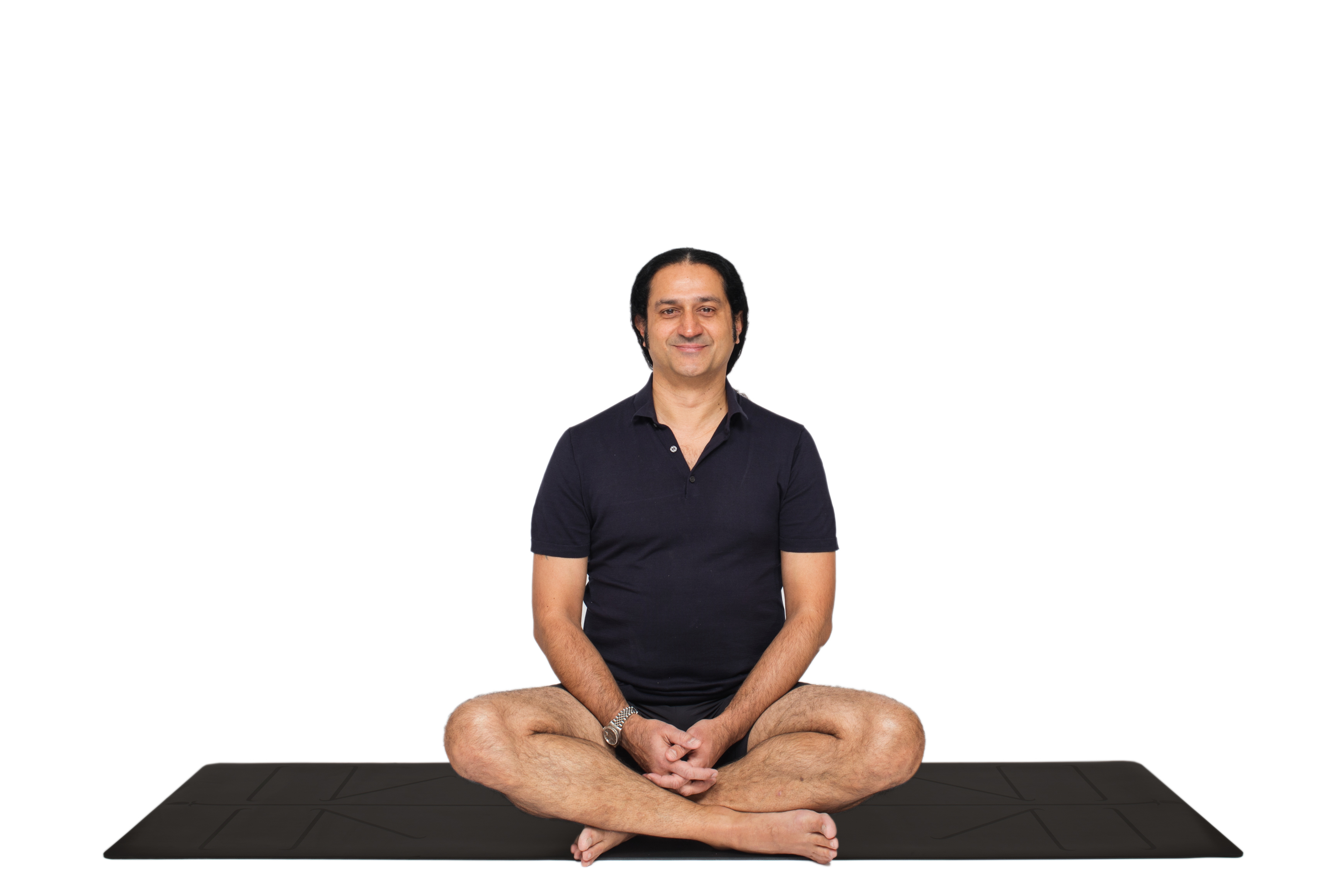

"Take a deep breath," the modern wellness instructor says, while half the room aggressively gasps for air through their open mouths like a school of startled fish.
It is quite a sight. We have been given a physical body forged by millions of years of brilliant evolution, yet many of us operate our respiratory system completely backward. Let us establish the absolute baseline: Breath is life, period. If you stop breathing, you die. But if you breathe poorly, taking shallow and unconscious breaths, you actively shorten your lifespan.
Your cells simply do not get enough oxygen and Prana to sustain long-term vitality.
If you want to understand Patanjali’s science of Pranayama, you must first understand the uncompromising anatomy of your own body. Let us track the actual journey of a single breath.
The Gateway: Why Mouth Breathing is an Evolutionary Mistake
The journey begins at the gateway of the face. Your mouth was designed for eating, speaking, and absolute emergency survival. Breathing through your mouth bypasses all of your body's natural security protocols. It pulls cold, unfiltered, dirty air directly into your delicate lung tissue.
Your nose, on the other hand, is a highly sophisticated biological filter. When air enters the nostrils, it is immediately caught by cilia (microscopic hairs) and mucus, trapping dust and pathogens. As the air spirals through the nasal conchae, it is perfectly warmed and humidified to match your internal body temperature.
The Sinuses and the Miracle of Nitric Oxide
But here is where the true wonder of nasal breathing happens. As air moves through the nasal cavity, it passes by the paranasal sinuses. These hollow spaces produce a miraculous molecule called Nitric Oxide (NO).
When you breathe through your nose, the incoming air sweeps up this Nitric Oxide and carries it deep into your lungs. NO is a potent vasodilator and sterilizer. It aggressively expands your airways, neutralizes airborne bacteria, and forces your blood vessels to open up, allowing for massive oxygen absorption. If you breathe through your mouth, you bypass the sinuses entirely. You get zero Nitric Oxide. You are chemically starving your own cells.
The Gas Exchange: Into the Lungs and Bloodstream
The conditioned air, now loaded with NO, travels down the trachea and branches into the lungs, finally reaching the alveoli—about 300 million microscopic air sacs. The walls of these sacs are incredibly thin.
The oxygen molecules pass across this delicate membrane directly into the bloodstream, binding themselves to the hemoglobin in your red blood cells. Simultaneously, the biological waste gas (carbon dioxide) is pushed out of the blood and into the lungs to be expelled.
The Heart Pump and the Madness of Jogging
Now, the body's transportation network takes over, and this is where the direct connection between your breath and your heart reveals itself. The freshly oxygenated blood rushes to the left side of your heart.
When you breathe deeply, a massive volume of air mixes with the blood in your lungs. This highly oxygenated blood forces the heart muscles to execute bigger, stronger, and more efficient pumps. It shoots this bright blood out through the arteries—the high-pressure delivery highways—carrying life-giving fuel to your brain and organs.
Modern fitness culture tries to force this intense heart pump by jogging. People pound the pavement, their bodies frantically forcing them to gasp for air to survive the exertion. It is a kind of madness to run around like this. Because you cannot maintain a perfectly constant pace, your heart is forced into panicked, irregular pumps. And as a bonus for all this forced, frantic breathing? You systematically damage your knees and compress your spine with every hard step.
The Exhalation: Completing the Evolutionary Loop
Once your cells consume the oxygen, the dark, deoxygenated blood travels back through the veins to the right side of the heart, which pumps it back to the lungs. With a natural contraction of your diaphragm, you exhale the toxic CO2 through the nose, preparing for the next cycle.
This loop happens thousands of times a day. But when you practice true Pranayama, you achieve the massive cardiovascular power of a deep, rhythmic heart pump—without the joint trauma and the panicked gasping of a jogger. You take conscious control of your anatomy, the chemical production of Nitric Oxide, and the lifespan of your own cells.
Master Shahid Khan has studied and developed Yogveda Pranayama taking all of this uncompromising science of breath into consideration.
Stop gasping through your mouth. Close your lips, respect your evolutionary biology, and learn to truly breathe.
Author, Master Shahid Khan


Comments