
What is Sheetali Pranayama? The Biomechanical Air-Conditioning of the Nervous System.
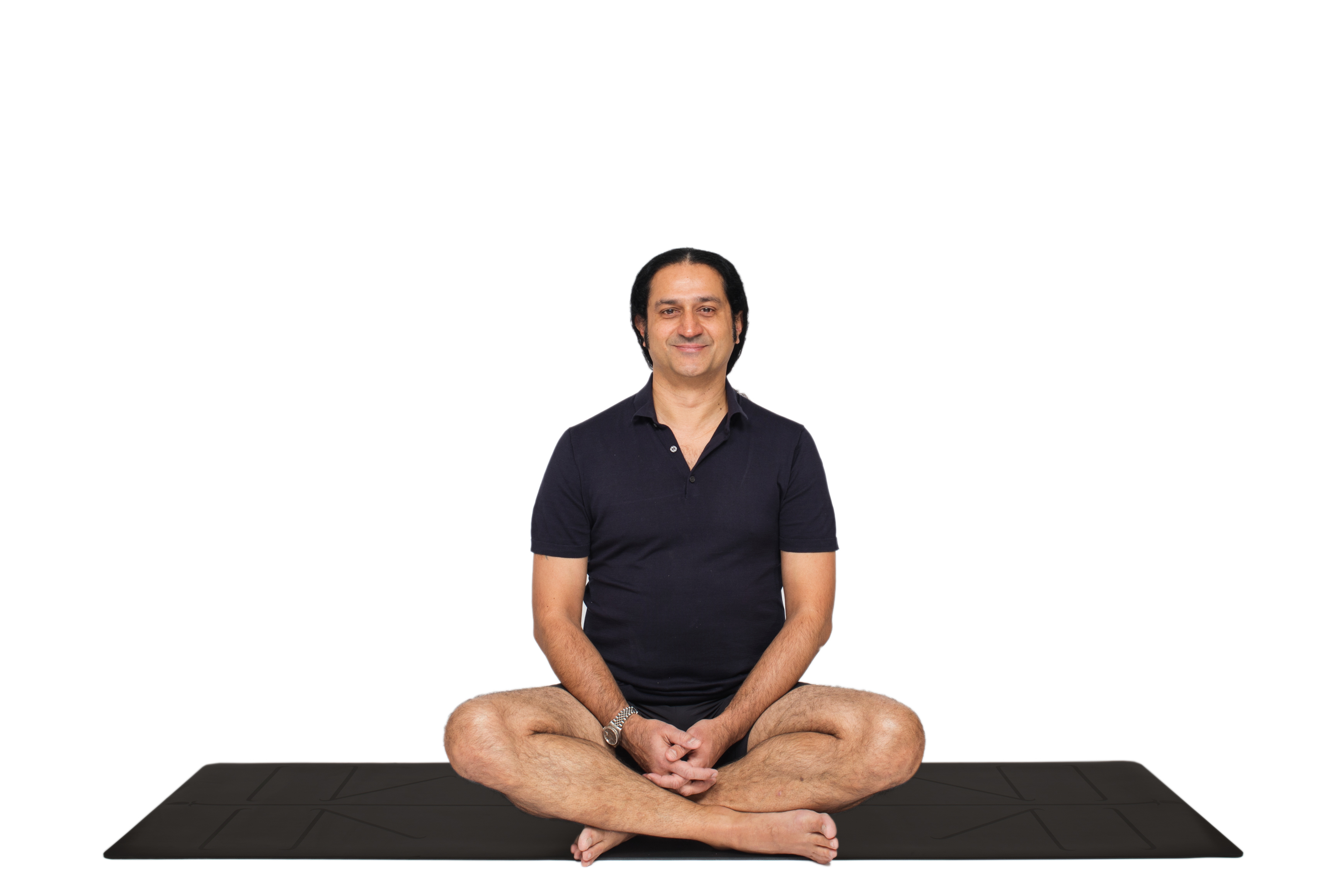

SHEETALI, The Misrepresented Science of Biological Cooling
Walk into a modern yoga studio during the summer, and you will likely see an instructor asking students if they have the genetics to "roll their tongues." The modern fitness industry treats Sheetali Pranayama as a cute party trick—a casual way to cool down after a sweaty, misaligned fitness class while slumping loosely on the mat.
Let us be clinically honest: Sheetali is not a gimmick. It is a profound, highly engineered biological cooling mechanism. When executed correctly, it acts as a direct thermal override for the brain and the Autonomic Nervous System, instantly neutralizing systemic inflammation, high blood pressure, and sympathetic (stress) overdrive.
The Clinical Reality: The Throat Motor and Evaporative Cooling
Remember the three motors of breath. Just like Ujjayi, Sheetali strictly utilizes the Throat Motor. However, instead of creating friction to build internal heat, Sheetali uses the physics of a vacuum and evaporative cooling to drastically drop the body's core temperature.
When you roll your tongue into a tight cylinder and protrude it past the lips, you are creating a biological wind tunnel. As you draw air in through this narrow, wet passage using the powerful vacuum of the throat motor, the moisture on the tongue rapidly evaporates. This instantly chills the dense network of blood vessels in the mouth and throat. This physically cooled blood is then pumped directly to the brain, forcing the Autonomic Nervous System to hit the brake pedal (parasympathetic state) and shut down the heated "fight-or-flight" response.
The Endocrine Target: Calming the Overactive Thyroid
This extreme cooling mechanism does not just affect the brain; it is a targeted intervention for the endocrine system. The focal point of Sheetali is the physical space of the throat—the exact anatomical location of the thyroid gland.
For individuals suffering from hyperthyroidism (an overactive thyroid), the body's metabolism runs completely too hot, leading to rapid heart rate, anxiety, and systemic exhaustion. Sheetali Pranayama physically bathes the thyroid region in chilled blood and alters the pressure in the cervical spine. This acts as a biological dampener, clinically cooling and slowing down glandular hyperactivity.
The Ancient Architecture: The Yoga Sutra of the Throat Pit
This clinical focus on the throat is not a modern invention; it is the core of ancient respiratory science. In the Yoga Sutras, Patanjali explicitly outlines the immense power of this exact anatomical region:
3.31 – By samyama on the pit of the throat, hunger and thirst are overcome. (कन्ठकूपे क्षुत्पिपासा निवृत्तिः ॥३०॥ kantha kupe ksut pipasa nivrittih)
Patanjali was not speaking in mystical metaphors. The "pit of the throat" (Vishuddha Chakra) is the anatomical control center for the thyroid, the Vagus nerve, and metabolic regulation. While we will outline the basic mechanical cooling cycle of Sheetali below, the actual practice of Samyama (absolute meditative integration) on the throat pit is a highly advanced cognitive and respiratory state. It grants a practitioner mechanical dominion over autonomic metabolic urges like hunger and thirst, and Master Shahid Khan strictly reserves this advanced technique for in-person transmission only.
The Clinical Execution: How to Practice Yogveda Sheetali
To safely execute the fundamental thermal cooling cycle without triggering a stress response, your physical architecture must be flawless.
Locked Swastikasana
Sit in perfect Swastikasana. The spine is a perfectly vertical rod. The chest is completely open, and the shoulders are locked back and down. If you attempt this with a collapsed chest, the throat motor will misfire, and your brain will register the vacuum as choking.
The Thermal Cycle with Kumbhaka
The true clinical power of Sheetali relies heavily on internal breath retention, which traps the cooled oxygen inside the lungs long enough for the thermal exchange to occur in the bloodstream.
Extend the tongue out past the lips and roll it into a tight, rigid tube. (If you cannot roll your tongue genetically, practice Sheetkari: gently close the teeth, press the tongue against the back of the teeth, and inhale through the dental gaps).
Inhale deeply and smoothly through the tube using the vacuum of the Throat Motor. You will feel a distinct, icy sensation passing down the throat.
Pull the tongue back into the mouth and close the lips completely.
Hold the inhaled breath for 5 seconds (Antar Kumbhaka). (This is the critical moment of thermal exchange where the cooled air chills the blood).
Exhale slowly, silently, and completely through both nostrils.
Hold the breath out with empty lungs for 5 seconds (Bahya Kumbhaka). (This constitutes one full clinical cycle).
The Master's Warning
This is an aggressive biological cooling system. Do NOT practice Sheetali if you are suffering from asthma, severe respiratory congestion, or a cold, as chilling the lungs will drastically worsen your condition. Furthermore, never attempt these 5-second internal breath retentions (Kumbhaka) while sitting in a collapsed, "home-office" slump. Attempting to vacuum air through the throat motor with a caved-in chest will actively harm your respiratory biomechanics and induce a state of panic. Master your structural architecture at a legitimate yoga school like Yogveda Yoga before you attempt to hack your internal temperature.
Author Master Shahid Khan



Comments