
Uric Acid: The Silent Crystallization of Your Joints
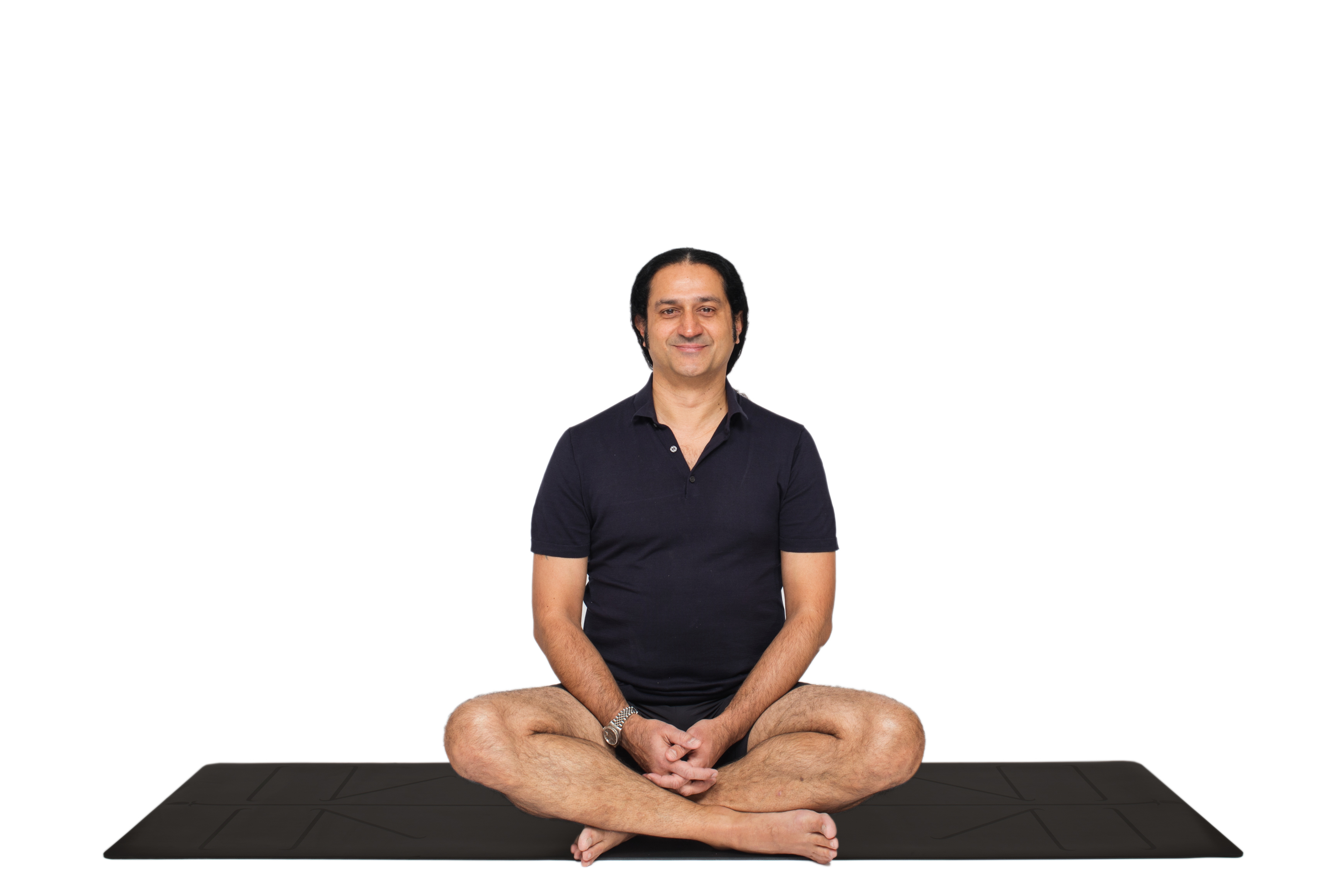

Yesterday, in Part 1 of the Get Salty series, I exposed the clinical reality of Inflammaging—the chronic, low-grade systemic fire burning across your vascular system. I explained how an overactive sympathetic nervous system and the chemical trauma of industrial food command your immune cells to attack your own healthy tissue.
Today, in Part 2, I am going to show you exactly what happens when that biological fire meets metabolic waste.
If inflammaging is the flame, Uric Acid is the toxic ash left behind. It is the silent, razor-sharp chemical crystallizing in your joints, destroying your mobility, and acting as a primary driver of premature cellular decay.
The Biochemistry of Toxic Ash: Where Uric Acid Actually Comes From
The commercial wellness industry loves to talk about "detoxing," usually prescribing an overpriced juice cleanse to flush out vague impurities. In applied clinical biochemistry, I do not deal in vague impurities. I deal in measurable, highly destructive metabolic byproducts.
In classical Ayurveda, this exact pathology is documented as Vātarakta—the condition where metabolic waste (Ama) pollutes the blood (Rakta), carried by disrupted nervous system forces (Vāta) to stagnate in the peripheral joints. In modern medicine, we identify the primary culprit as the breakdown product of purine nucleotide metabolism: Uric Acid.
However, the medical establishment often misleads patients by solely blaming purine-rich foods like organ meats and seafood. The clinical reality of hyperuricemia (excess uric acid in the blood) is far more insidious. It is driven by three distinct biochemical failures:
1. The Fructose Trap (Endogenous ATP Depletion)
You do not just eat uric acid; your liver manufactures it when you consume industrial sugars. High-fructose corn syrup, refined table sugar, and concentrated fruit juices contain zero purines, yet they are the leading drivers of the modern uric acid epidemic.
When fructose enters your liver, an enzyme called fructokinase (ketohexokinase) phosphorylates it. Unlike glucose metabolism, this reaction lacks a negative feedback loop—it does not stop. It voraciously burns through your cellular energy currency, Adenosine Triphosphate (ATP), stripping the cells of their power. This depleted ATP degrades rapidly into Adenosine Monophosphate (AMP), which enters the purine nucleotide degradation cascade and is converted directly into massive amounts of uric acid. By consuming refined fructose, you are literally commanding your liver to manufacture toxic ash out of your own cellular fuel.
2. The Renal Blockade (The Alcohol Exchange via URAT1)
Your kidneys filter and regulate circulating uric acid levels. But when you consume alcohol—whether it is wine, spirits, or beer—the hepatic metabolism of ethanol generates massive amounts of lactic acid.
In your renal tubules, uric acid balance is regulated by a specific molecular transport protein called URAT1 (SLC22A12). URAT1 is an anion exchanger: it trades one molecule to absorb another. High levels of lactic acid bind to this transporter and trigger an active swap. The kidneys excrete the lactic acid into your urine, and in exchange, URAT1 drags uric acid directly out of the pre-urine and pulls it back into your bloodstream.
So, congratulations. I hope you enjoyed that drink, because the uric acid surging back into your blood is on the house. (And if it was a beer, you also just drank a massive dose of liquid yeast purines to add to the fire).
3. Exogenous Purine Overload
When your liver is already overproducing uric acid from fructose, and your kidneys are actively reabsorbing it due to alcohol or systemic inflammation, eating dense purine-rich foods (industrial meats, yeast extracts) pushes your blood concentration past its physiological saturation limit.
The Physical Precipitation: Needles in Your Synovial Fluid
Uric acid is a solute. At standard core body temperature (37°C), its physiological saturation threshold in human serum is approximately 6.8 mg/dL (404 µmol/L). Once your blood levels cross this threshold, it undergoes a physical phase transition: it precipitates out of liquid solution into microscopic, solid, needle-like Monosodium Urate (MSU) crystals.
1. The 35°C Cold-Joint Phenomenon
Why do these crystals settle in your toes, ankles, and knees? Because biophysics dictates solubility. Blood circulation is slowest and tissue temperature is lowest in the distal extremities. In your peripheral joints, synovial fluid temperature regularly drops to 32–35°C. At this reduced temperature, the saturation threshold plummets. The uric acid can no longer remain dissolved in the fluid. It precipitates directly into the articular cartilage and synovial lining.
This is not "natural aging." This is the physical crystallization of metabolic waste turning your joints into glass pin-cushions.
The Inflammasome Detonation: Macrophage Rupture
These needle-like crystals do not just cause mechanical friction; they act as biochemical detonators.
When your immune system (already sensitized by systemic inflammaging) detects foreign MSU crystals in the joint space, resident macrophages rush in to phagocytose (engulf) them.
1. Lysosomal Rupture and Cathepsin B Leakage
The macrophage swallows the razor-sharp crystal, but cannot break it down. Inside the cell, the jagged edges of the crystal physically slice and rupture the macrophage's internal digestive organ (the lysosome). This rupture leaks digestive enzymes called Cathepsin B directly into the macrophage's cytoplasm.
2. The NLRP3 Inflammasome Assembly
The presence of Cathepsin B triggers the assembly of the NLRP3 inflammasome—a multi-protein intracellular alarm complex. Once assembled, the inflammasome activates caspase-1, which enzymatically cleaves precursor proteins to trigger an explosive release of Interleukin-1β (IL-1β).
IL-1β is an absolute cytokine firestorm. It recruits armies of neutrophils into the joint, causes severe localized vasodilation, destroys surrounding cartilage, and fires peripheral pain receptors. Long before an acute, agonizing gout attack presents, this sub-clinical crystallization is silently grinding away your joint mobility and stiffening your fascia.
The Yogveda Solution: Clinical Visceral Flushing
You cannot dissolve monosodium urate crystals by passively stretching on a yoga mat, and you cannot restore joint mobility while your blood is saturated with toxic ash. To clear metabolic waste, you must mechanically manipulate your visceral organs.
At Yogveda Yoga, I utilize precise biomechanical protocols to directly alter visceral hemodynamics (blood flow to internal organs) and force renal clearance.
1. Visceral Compression and Yogveda Pranayama Kriya
Your kidneys and liver require immense arterial blood volume and mechanical stimulation to filter uric acid effectively. When trapped in shallow, upper-chest breathing (sympathetic overdrive), your visceral organs suffer from microcirculatory stagnation. Blood flow is shunted away from the viscera toward the skeletal musculature, causing your renal filtration rate to plummet.
To reverse this stagnation, I utilize Yogveda Pranayama Kriya—a specialized protocol engineered specifically to mechanically stimulate and re-perfuse the deep visceral bed.
In this Kriya, breathing is not a passive exercise. You actively drive your closed fists deep into the lower abdominal cavity, applying targeted, compressive mechanical load directly against the bladder, intestines, stomach, and liver bed. Against this deep mechanical barrier, you alternate dynamically between Kapalbhati (forceful, rapid diaphragmatic expulsions) and Bhastrika (high-velocity bellows breathing).
This combination generates high-amplitude, oscillating intra-abdominal pressure waves. The physical compression of the fists mechanically wrings out stagnant, acidic venous pooling from the renal and hepatic vascular beds. The high-velocity breath cycles establish an internal hydraulic pump.
The moment you release the fist compression and disengage the breath retention, an immediate, powerful suction occurs: fresh, oxygen-saturated arterial blood forcefully surges through the renal arteries, re-perfusing the kidneys. This surge restores filtration pressure, clears the URAT1 transporters, and washes accumulated uric acid out through the urinary tract before it can precipitate into the synovial fluid of your extremities.
2. Engaging the Cholinergic Brake
Simultaneously, by engaging the cholinergic anti-inflammatory pathway through controlled left-nostril exhalation protocols, I teach you to release acetylcholine from the vagus nerve. This directly docks onto macrophage nicotinic receptors, arresting the activation of the NLRP3 inflammasome and preventing the catastrophic release of Interleukin-1β. You halt the destruction of your joint cartilage while your visceral organs eliminate the ash.
Tomorrow, in Part 3 of the Get Salty series, I will bridge the gap between clearing this toxic ash and the ultimate goal: Longevity. I will break down the precise clinical mechanics of how controlling inflammation and uric acid literally alters the genetic expression of how long you live.
Scientific References & Academic Grounding
Hepatic Fructose Metabolism & Uric Acid Production: Nakagawa, T., et al. (2006). A causal role for uric acid in fructose-induced metabolic syndrome. American Journal of Physiology-Renal Physiology, 290(3), F625-F631. (Demonstrates that ketohexokinase-driven fructose phosphorylation depletes intracellular ATP, stimulating AMP deaminase and driving massive endogenous uric acid synthesis independent of dietary purines).
Renal URAT1 Exchange and Lactate Coupling: Enomoto, A., et al. (2002). Molecular identification of a renal urate-anion exchanger that regulates blood urate levels. Nature, 417(6887), 447-452. (Identifies URAT1/SLC22A12 in the renal brush-border membrane, demonstrating that organic anions such as lactate, produced during alcohol metabolism, stimulate urate reabsorption from tubular fluid back into the blood).
NLRP3 Inflammasome Activation by Urate Crystals: Martinon, F., et al. (2006). Gout-associated uric acid crystals activate the NALP3 inflammasome. Nature, 440(7081), 237-241. (The landmark study detailing how phagocytosed monosodium urate crystals destabilize lysosomal membranes, triggering the NLRP3 inflammasome complex and the proteolytic maturation and secretion of Interleukin-1β).
Visceral Hemodynamics & Oscillatory Intra-Abdominal Pressure: Bilo, G., et al. (2012). Effects of slow deep breathing at high altitude on oxygen saturation, pulmonary and systemic hemodynamics. PLoS One, 7(11), e49074. (Validates that mechanical shifts in intra-abdominal pressure and breathing cadence directly regulate visceral venous return, arterial pulse dynamics, and renal hemodynamics).
Your Applied Science Reflection: Assess the mobility of your ankles and big toes right now. Do they click, ache, or feel stiff when you get out of bed? You are likely not experiencing "wear and tear"; you are feeling the micro-friction of monosodium urate crystals precipitating in tissues colder than 35°C.
To clear metabolic waste, your visceral organs require direct physical stimulation and oxygen. Sit tall with a neutral spine. Form solid fists with both hands and press them firmly into your lower abdomen, just above the pelvic bone. Inhale deeply, and as you exhale, fold forward over your fists, driving them into the abdominal wall to compress the lower intestines, bladder, and visceral vascular beds. Perform three rapid, sharp expulsions through the nose (Kapalbhati), feeling the mechanical rebound against your knuckles. Inhale, rise slowly, and release the pressure. Feel the immediate thermal rush as oxygenated arterial blood re-perfuses the renal bed. That is applied clinical biochemistry.
Yogveda Manifesto
Yogveda Yoga is a compiled applied science. We do not follow "isms," dogmas, or blind beliefs. Rooted strictly in the classical Darśanas and Ayurveda, we dictate no human morality and teach no god worship. We simply provide the exact tools to study your own biological engine. Freedom is absolute self-knowledge. Study yourself to be free.
👉 Yogveda Asana Lesson : Build the physical presence to distinguish between what is real in the body and what is just a feeling.
👉Yogveda Yoga Teacher Training in Bern: Deepen your understanding of Patanjali's philosophy of mind and truth.
Author, Master Shahid Khan
Yogveda Yoga Switzerland 🇨🇭



Comments