
Irregular Heart Beats Causes: The Electrical Short-Circuit of the Myocardium
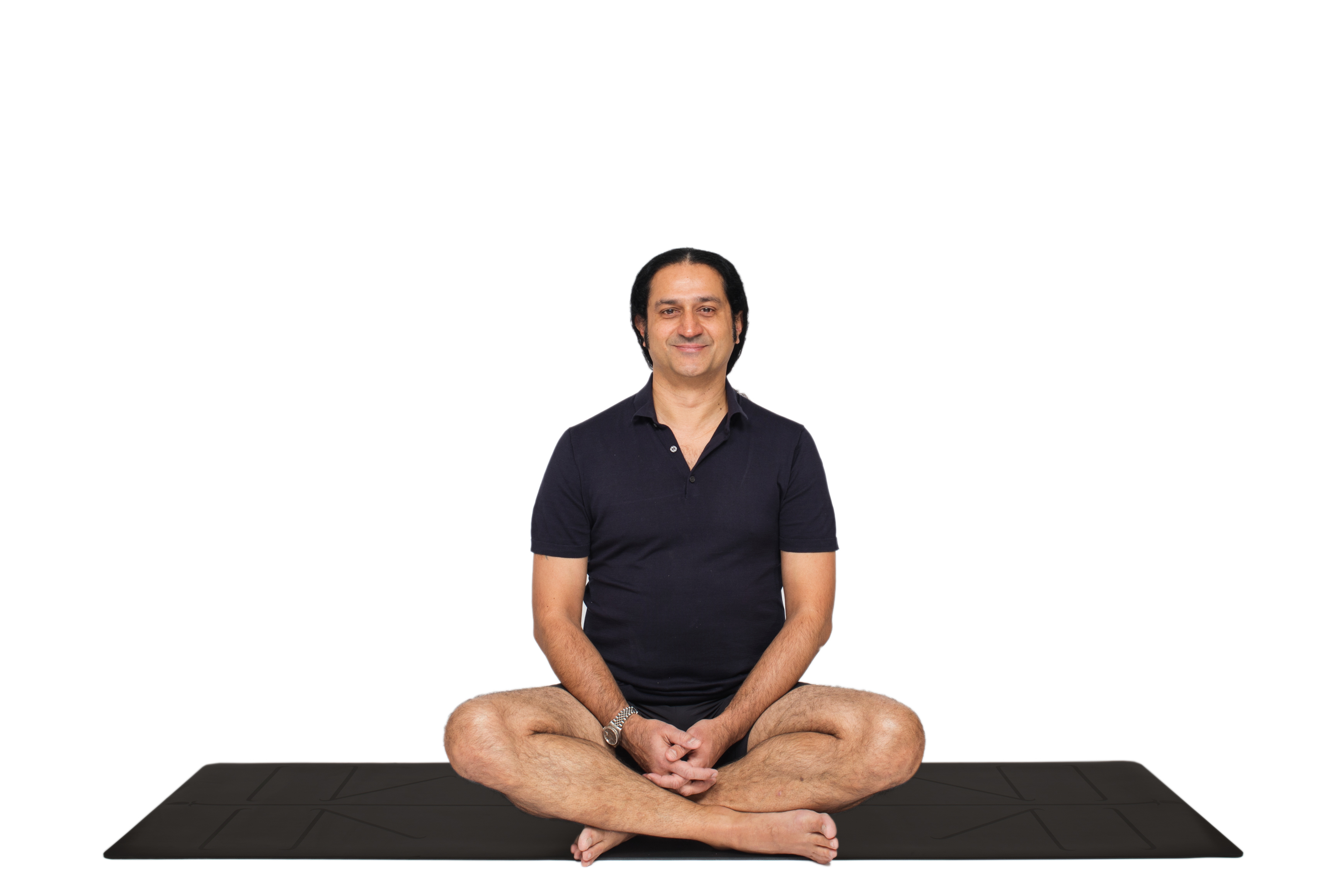

Welcome to Part 4 of our 5-part clinical teardown of the cardiovascular network.
So far, we have exposed how shallow breathing mechanically overworks the heart muscle, how refined carbohydrates act as a slow poison to thicken your blood, and how internal pressure overstretches and deforms the cardiac valves. Today, we address the heart’s electrical grid and a symptom that causes widespread, visceral panic: a fluttering chest, a skipped beat, or a sudden racing pulse. When individuals experience this, they desperately search for answers regarding irregular heart beats causes.
When a person feels their chest slip out of rhythm, the conventional medical system rushes to run standard diagnostics: EKGs, Holter monitors, and echocardiograms. If these structural tests come back clean—which occurs in the vast majority of cases—patients are typically dismissed as "anxious," given a prescription for beta-blockers, or told to "reduce stress."
This symptom-based approach fails completely. It treats the heart as an isolated island, completely ignoring the mechanical and neurological architecture of the torso. An irregular heart beat is rarely a primary disease of the heart tissue itself; it is an electrical short-circuit triggered by external physical pressure and autonomic brake failure. To resolve it, we must analyze irregular heart beats causes through the unyielding lens of applied biomechanics.
The Mechanical Siege: Irregular Heart Beats Causes From Visceral Distension
Your heart does not operate in an anatomical vacuum; it rests directly on top of the diaphragm, separated only by a thin, fibrous membrane. Directly beneath the diaphragm lies your stomach. Under normal physiological conditions, these organs cooperate in a perfectly timed pressure gradient. However, modern lifestyle choices convert this symbiotic relationship into a physical siege known clinically as Roemheld Syndrome.
The Gastrocardiac Loop and Structural Crowding of the Cardiac Apex
When you consume large volumes of food, you physically distend the stomach walls, forcing the organ to expand upward. When you add alcohol to the mix, the internal damage multiplies: alcohol paralyzes smooth muscle motility in the digestive tract, halts natural peristalsis, and sparks rapid, volatile visceral gas fermentation.
The stomach bloats like an over-inflated pressure balloon. This immense upward intra-abdominal pressure acts as a rigid physical wall, completely avoiding and blocking the natural downward movement of the diaphragm. Because the diaphragm cannot descend, the fermenting stomach mass physically shoves the left dome of the diaphragm upward, crowding and compressing the apex of the heart. This direct mechanical friction irritates the cardiac tissue. The myocardium throws sudden, chaotic, ectopic beats out of pure spatial survival—making this one of the most prominent irregular heart beats causes.
The Nitric Oxide Deficit and Arterial Backpressure
The toxic combination of alcohol and refined carbohydrates simultaneously destroys the chemical balance of your vascular network. Alcohol directly impairs the endothelial enzymes responsible for producing Nitric Oxide (NO)—the vital gas your blood vessels rely on to dilate and remain flexible.
Deprived of Nitric Oxide, your entire arterial network constricts and hardens instantly. Compounding the issue, the locked diaphragm forces the body to shift from nasal breathing to shallow mouth breathing. Because Nitric Oxide is primarily synthesized and stored within the paranasal sinuses, mouth breathers bypass this natural gas reservoir entirely. The heart is caught in a mechanical vice: it is forced to pump high-viscosity blood against tight, rigid arterial walls while its physical structure is being crushed from below. The internal backpressure skyrockets, the electrical grid overloads, and the individual experiences acute irregular heart beats.
The Neurological Brake Failure: Irregular Heart Beats Causes in the Nervous System
The heart’s natural pacemaker—the sinoatrial node—relies entirely on the Autonomic Nervous System to maintain a balanced cadence. To keep the pulse steady, measured, and calm, the heart depends on the vagus nerve (parasympathetic branch) to act as a continuous biological brake by releasing the neurotransmitter acetylcholine.
Vagus Nerve Pinching at the Esophageal Hiatus
When the diaphragm is locked in place by a bloated abdomen and a collapsed sitting posture, it creates a neurological bottleneck. The vagus nerve travels from the brainstem to the abdomen through the exact same diaphragmatic opening as the esophagus, known as the esophageal hiatus. As the organs shift and press upward, the vagus nerve is mechanically pinched against the rigid borders of the hiatus.
This mechanical compression severs the vagal brake. Deprived of its neurological calming signal, the heart’s electrical grid enters a state of absolute panic. The sympathetic nervous system (fight-or-flight mode) assumes uninhibited control over the myocardium. The sinoatrial node misfires, creating erratic, unpredictable patterns. Those searching for irregular heart beats causes must look to this structural interruption of the vagal pathway at the diaphragmatic gateway.
Why Mainstream "Mindfulness" Fails to Reset the Rhythm
When the chest flutters, wellness gurus tell people to sit quietly, "breathe into the heart," or cultivate positive thoughts. This advice is physiologically useless. You cannot think your way out of an electrical short-circuit when an over-distended stomach is physically compressing the wiring of your heart. To clear the short-circuit, you must manually alter the physical geometry of your spine and restore the pressure dynamics of your respiratory system.
The Applied Biomechanics Solution: Addressing Irregular Heart Beats Causes Directly
Permanently correcting an irregular heart beat requires a precise, reproducible biomechanical sequence that liberates the respiratory apparatus, decompresses the internal organs, and triggers the vagus nerve mechanically.
The Yogveda Sequence to Release Lumbar Geometry and Load the Diaphragm
To eliminate irregular heart beats causes at the foundational root, Yogveda utilizes a systematic three-step physical intervention:
Opening the Lumbar Space via Bridge Biomechanics: The structural anchors of your diaphragm (the crura) attach directly to the front of your upper lumbar vertebrae ($L1$ to $L3$). When your lower back is compressed or hyper-lordotic, these anchors spasm, locking the diaphragm in a rigid state. By utilizing a specific Yogveda bridge posture, we mechanically decompress the lumbar spine, opening the retroperitoneal space and releasing the muscular anchors of the diaphragm.
Decompressing the Gastrocardiac Loop: Once the lumbar anchors are liberated, the diaphragm is released from its paralysis. During a controlled, deep inhalation, the diaphragmatic plate descends powerfully, driving the bloated stomach down and away from the base of the heart. This eliminates the physical friction on the myocardium, causing the mechanically induced ectopic signals to vanish.
Nitric Oxide Flood via Resisted Diaphragmatic Load: To permanently recalibrate the tone of the vagus nerve, we train the diaphragm against physical resistance. By placing specific weights on the abdomen while in a supine position, the diaphragm is forced to contract concentrically and eccentrically against a direct load. Simultaneously, strict nasal breathing is enforced. Nasal breathing floods the lungs with stored Nitric Oxide, which instantly dilates the constricted arteries and removes the backpressure from the heart.
The physical exertion against the abdominal weight shifts intra-abdominal pressure dynamics so drastically that the mechanoreceptors of the vagus nerve are forced to fire reflexively. The vagus nerve immediately floods the sinoatrial node with acetylcholine, acting as a literal circuit breaker that halts the fluttering rhythm and restores a powerful, perfectly metered sinus rhythm within seconds.
Conclusion: Freeing the Torso to Restore the Rhythm
An irregular heart beat is a warning sign that your heart has run out of physical space and its neurological control lines are compromised. Searching for irregular heart beats causes purely within the heart muscle delays true recovery. Only when you open the lumbar spine, mechanically lower the stomach, and train the diaphragm under resistance do you establish the biophysical environment required for a permanently stable rhythm.
Before you accept a lifetime of cardiovascular medication, correct the physical spaces of your body. Use the biomechanical principles of Yogveda to give your heart its space back, or force your pump to keep slamming against an absolute wall.
👉 Yogveda Asana Lesson : Build the physical presence to distinguish between what is real in the body and what is just a feeling.
👉Yogveda Yoga Teacher Training in Bern: Deepen your understanding of Patanjali's philosophy of mind and truth.
Author, Master Shahid Khan



Comments