
Ayurveda Masterclass: Tejas — The Cellular Fire, Mitochondrial Energy & The Radiant Body
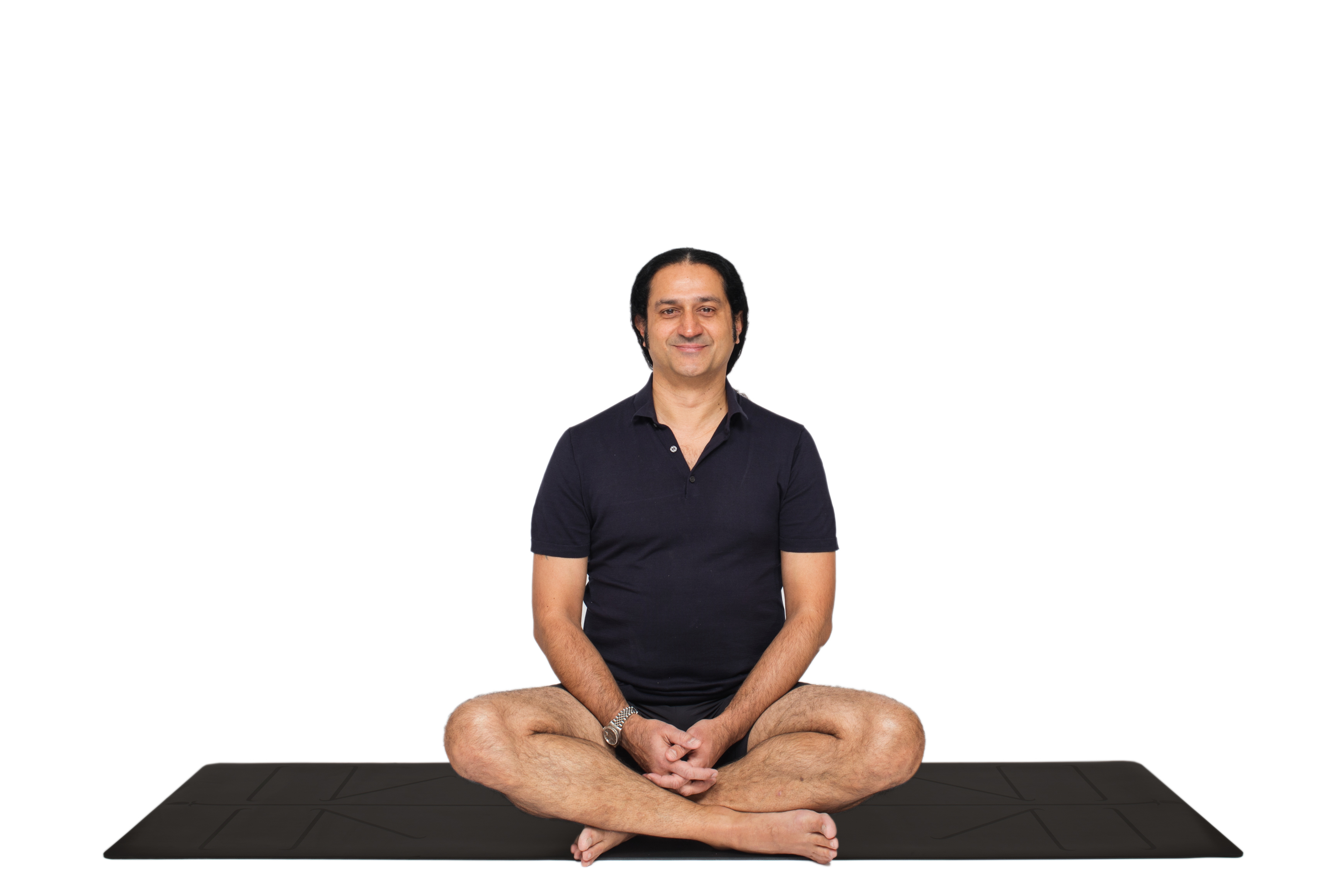

Have you ever wondered why some people radiate an unmistakable, healthy glow—with luminous skin, bright eyes, and sharp mental focus—while others appear dull, pale, and chronically tired, even after eight hours of sleep and a clean diet?
In our study of the subtle biological triad, we established that Ojas, Tejas, and Prāṇa are not spiritual metaphors. They are measurable, objective physiological forces governing human survival, tissue repair, and neurological performance.
While Ojas serves as your physical shield and endocrine reserve, and Prāṇa acts as your bio-electric motor, Tejas is the metabolic furnace, cellular transformation engine, and radiant illumination of the human body.
Commercial wellness culture often reduces metabolic health to a single marketing cliché: "boost your metabolism" with cayenne pepper shots, green tea extracts, or sweat sessions in an infrared sauna.
In classical Ayurvedic biology and modern biochemistry, the reality is far more sophisticated: Tejas is not simple body heat. It is the cellular intelligence of transformation. It is the chemical combustion occurring in your mitochondria, the enzymatic fire that dissolves cellular waste through autophagy, the optic processing that turns light into vision, and the physical force that produces a vibrant, glowing body.
1. What Is Tejas? The Science Behind the Sanskrit
To understand Tejas clinically, we must separate it from vague poetry and examine its classical roots and biophysical mechanisms.
                      [ THE TRIAD OF CELLULAR FIRE ]
                                     │
     ┌───────────────────────────────┼───────────────────────────────┐
     ▼                               ▼                               ▼
[ THE GROSS HUMOR ]          [ THE CATALYST ]             [ THE SUBTLE ESSENCE ]
PITTA                        AGNI                         TEJAS
The liquid vehicle           The functional metabolic     The refined cellular fire,
(bile, enzymes & acids)      process across tissues       mitochondrial ATP & radiance
A. The Linguistic Root: Sharpness, Combustion & Illumination
In Sanskrit grammar, the word Tejas originates from the verbal root:
Tij (तिज्): To be sharp, to pierce, to kindle, to heat, and to illuminate.
Literally translated, Tejas means "the concentrated, radiant power of combustion and illumination." It is the metabolic sharpener of human biology. Where Ojas provides mass, stability, and cooling insulation (Soma), Tejas provides heat, metabolic breakdown, and cellular light (Agni).
B. Pitta vs. Agni vs. Tejas: The Critical Clinical Distinction
One of the most common diagnostic errors in Ayurveda is treating Pitta, Agni, and Tejas as the exact same thing:
Pitta Doṣa (The Liquid Vehicle): Pitta is the physical, liquid biological humor (Sasneha, Drava). It consists of bile salts, stomach hydrochloric acid, and systemic digestive fluids. Pitta contains fire, but it is carried in liquid.
Agni (The Metabolic Mechanism): Agni is the active physiological process of digestion and chemical breakdown, operating in the stomach (Jāṭharāgni), the liver (Bhūtāgni), and the seven tissue layers (Dhātvagni).
Tejas (The Subtle Cellular Essence): Tejas is the refined, supreme essence of transformed Pitta and Agni. It is pure biochemical energy freed from gross physical liquid. It operates at the sub-cellular, mitochondrial, and cognitive levels.
                    [ HOW TEJAS IS MANUFACTURED ]
                                  │
                           [ PITTA DOṢA ]
                     Enzymes, Bile & Secretions
                                  │
                   (Processed by Clean Digestion / Agni)
                                  │
                                  ▼
                              [ TEJAS ]
                   Pure Mitochondrial Energy,
              Cellular Autophagy & The Radiant Body
2. Classical Epistemology: The 5 Functional Seats & The Radiant Body
In the Caraka Saṃhitā and Suśruta Saṃhitā, Tejas is defined as the force that enables physical matter to cross biological thresholds. Without Tejas, nutrients cannot pass through cell walls, proteins cannot be broken down into amino acids, and ingested food cannot be refined across the 30-day tissue cascade into Ojas.
Caraka Saṃhitā, Cikitsā Sthāna 15.3–4śānte'gnau mriyate, yukte ciraṃ jīvaty-anāmayaḥ |rogī syād vikṛte, mūlaṃ agnis tasmān nirocyate ||Translation: "When the inner fire is extinguished, the person dies; when functioning properly, one lives long and disease-free; when disturbed, illness results. Therefore, the inner fire is the root of biological life."
Classical medicine categorized Tejas into five functional seats across human anatomy:
                       [ THE 5 SEATS OF TEJAS ]
                                   │
     ┌──────────────┬──────────────┼──────────────┬──────────────┐
     ▼              ▼              ▼              ▼              ▼
[ PĀCAKA ]     [ BHRĀJAKA ]   [ RAÑJAKA ]    [ ĀLOCAKA ]    [ SĀDHAKA ]
Stomach &      Cutaneous      Liver, Spleen  Optic Signals  Heart & Brain:
Duodenum:      Glow & Light   & Hemoglobin   & Visual       Intellect &
Food Breakdown Absorption     Oxygenation    Combustion     Discernment
1. Bhrājaka Tejas: The Science of the Glowing Body (Prabhā)
Did you know that in classical Ayurveda, skin radiance is an internal metabolic vital sign rather than a cosmetic trait?
Chāyā vs. Prabhā: Classical diagnosis separates Chāyā (underlying skin tone) from Prabhā (radiance). While your skin tone is genetic, Prabhā is the warm, luminous vitality shining through the skin. It reflects healthy tissue metabolism.
The Living Glow (Tejasvī): Sage Caraka explains that an individual with clean, active Tejas is termed Tejasvī—possessing radiant skin, clear eyes (Netra-Dīpti), and a calm, commanding presence. When Tejas fails, Prabhā vanishes, leaving the skin gray, dull, or oily with accumulated waste (Āma).
2. Pācaka Tejas: Metabolic Breakdown
Located in the stomach and duodenum, it breaks down food into clean, bioavailable nutrients without generating toxic byproducts.
3. Rañjaka Tejas: Blood Pigmentation & Iron Metabolism
Located in the liver and spleen, it converts clear nutrient plasma (Rasa) into oxygen-carrying red blood cells (Rakta), synthesizing hemoglobin and maintaining vitality.
4. Ālocaka Tejas: Visual Combustion
Located in the retinas, it converts incoming photons into electrical impulses for the visual cortex, giving the eyes their physical sparkle and focus.
5. Sādhaka Tejas: Intellectual Discernment (Viveka)
Operating in the heart and brain, it metabolizes sensory experiences and thoughts, providing the cognitive capacity to separate objective reality from emotional confusion.
3. Modern Cellular Biology: Mitochondria, Autophagy & Optical Physics
What classical Ayurvedic physicians described as Tejas maps directly onto the catalytic machinery of modern cellular biology and biophysics.
                      [ THE BIOLOGY OF TEJAS ]
                                  │
     ┌────────────────────────────┼────────────────────────────┐
     ▼                            ▼                            ▼
[ MITOCHONDRIAL COMBUSTION ] [ CELLULAR AUTOPHAGY ]   [ OPTICAL REFLECTANCE ]
Electron Transport Chain &   Lysosomal Digestion of   Dermal Capillary Flow &
ATP Energy Synthesis         Damaged Waste (Āma)      Keratinocyte Smoothness
A. Mitochondrial Respiration: The Cellular Combustion Chamber
Every human cell contains hundreds to thousands of microscopic power plants called mitochondria.
The Combustion Chamber: When you digest food, its broken-down parts (glucose, fatty acids, amino acids) are fed into the citric acid cycle inside your mitochondria.
The Electron Flow: Electrons are stripped from these nutrients and passed along protein complexes in the inner mitochondrial membrane. This microscopic flow of electrical and thermal energy generates Adenosine Triphosphate (ATP)—the universal fuel currency of human life.
The Tejas Reality: This mitochondrial combustion process is Tejas at the cellular scale. When your mitochondria are healthy and dense, you feel sustained physical warmth, clear concentration, and steady energy. When mitochondria decay, Tejas collapses.
B. Cellular Autophagy: The Fire of Deep Cleansing
In 2016, the Nobel Prize in Medicine was awarded for unraveling the mechanisms of autophagy (literally "self-eating").
The Mechanism: When a cell is not occupied with digesting new food, specialized cleanup units called lysosomes activate. These units release enzymes that break down and recycle worn-out cell parts, clumped proteins, and damaged mitochondria.
The Classical Correlation: This is the exact cellular equivalent of burning metabolic waste (Āma). In Ayurveda, when Tejas is properly activated through meal spacing and fasting, it turns inward to clear accumulated cellular debris. If Tejas is weak, cellular waste builds up, leading to chronic low-grade inflammation, insulin resistance, and accelerated aging.
C. The Biophysics of the "Glow": Skin Optics & Biophotons
Why does high Tejas produce a visibly glowing body?
Dermal Capillary Perfusion: Clean mitochondrial function generates optimal levels of carbon dioxide and nitric oxide, keeping microscopic blood vessels in the skin open and well-perfused. This gives the skin a vibrant, healthy tone.
Keratinocyte Uniformity: Active cellular metabolism ensures that dead skin cells shed smoothly rather than clumping into dull, rough patches. Ambient light reflects evenly off the skin surface, producing a natural, healthy sheen.
Biophoton Emission: Living tissues emit ultra-weak biophotons as a natural byproduct of mitochondrial respiration. Cells operating with clean metabolic efficiency show organized biophoton emission and balanced lipid layers, preventing the dull, oxidized look common in metabolic exhaustion.
4. The Pathological Spectrum: 3 Clinical States of Tejas
In clinical practice, Tejas does not remain static; it can deviate into three distinct physiological malfunctions:
                  [ PATHOLOGICAL SPECTRUM OF TEJAS ]
                                   │
     ┌─────────────────────────────┼─────────────────────────────┐
     ▼                             ▼                             ▼
[ TEJO-KṢAYA ]              [ TEJO-KOPA ]                 [ TEJO-VYĀPAT ]
Depletion / Cold            Hyper-Excitation /            Vitiation /
Mitochondrial decay,        Systemic inflammation &       Oxidative stress,
sluggishness & dull skin    acid tissue destruction       free radicals & autoimmunity
A. Depleted Tejas (Tejo-Kṣaya)
The Problem: The cellular combustion engine runs cold. Mitochondrial density declines, and cellular digestion fails.
Clinical Symptoms: Cold hands and feet, low resting body temperature, sluggish digestion, inability to sweat, mental lethargy, dull skin without radiance (Prabhā-Hāni), and accumulation of sticky metabolic waste (Āma).
B. Hyper-Excited Tejas (Tejo-Kopa / Tejo-Vṛddhi)
The Problem: The biological fire burns out of control without enough physical fuel or stabilizing liquid to regulate it.
Clinical Symptoms: Heartburn, acidic regurgitation, inflammatory skin flares (rosacea, eczema), loose burning stools, internal overheating, night sweats, irritability, and quick anger.
C. Vitiated / Distorted Tejas (Tejo-Vyāpat)
The Problem: Instead of converting nutrients into clean energy, the fire burns irregularly, producing dangerous metabolic byproducts.
Modern Equivalence: Oxidative stress and free radical damage. When electrons leak prematurely from the mitochondrial transport chain (primarily at Complexes I and III), they form reactive oxygen species (ROS). These volatile molecules damage cellular DNA, oxidize healthy cell membranes (lipid peroxidation), and trigger autoimmune attacks.
5. The Dynamic Balance: How Tejas and Ojas Regulate Each Other
One of the most foundational principles in classical physiology is that Tejas and Ojas exist in continuous thermodynamic balance.
                      [ THE BIOLOGICAL BALANCE ]
                                  │
     ┌────────────────────────────┴────────────────────────────┐
     ▼                                                         ▼
[ TEJAS (The Fire) ]                      [ OJAS (The Water & Fuel) ]
Transforms, cooks & purifies              Sustains, lubricates & protects
Burns up Ojas if unguided                 Smothers Tejas if stagnant & heavy
When Tejas Is Too High (The Burnout Cycle): If your metabolic fire runs unchecked through chronic stress, stimulant abuse, or unresolved anger, it begins consuming your own tissues. It evaporates your immune reserves and strips the protective myelin from your nerves, causing Ojokṣaya (immune and neurological exhaustion).
When Ojas Is Too Heavy (The Smothering Cycle): If you consume dense, heavy, oily foods while your digestive fire is weak, the excessive mass smothers your metabolic flame like a wet blanket thrown over campfire embers. The fire goes out, digestion stalls, and tissue channels (Srotas) clog with metabolic sludge.
To build a strong biological shield (Ojas), you must first ensure your cellular fire (Tejas) is clean, sharp, and stable.
6. Biochemical Inputs: Foods and Habits That Build or Corrupt Tejas
Every meal you eat and every daily rhythm you keep either sharpens your metabolic fire or corrupts it into cellular inflammation.
                    [ THE TEJAS BALANCE SHEET ]
                                 │
     ┌───────────────────────────┴───────────────────────────┐
     ▼                                                       ▼
[ TEJAS-BUILDING (Tejovardhaka) ]       [ TEJAS-CORRUPTING (Dūṣaka) ]
• Warming, aromatic digestive spices    • Constant snacking (extinguishing fire)
• Clean fasting windows (autophagy)     • Industrial seed oils (oxidative stress)
• Sunlight exposure & thermal pacing    • Ice-cold beverages with meals
• High-focus mental discipline          • Chronic repressed anger & burnout
A. Foods That Build Clean Tejas
To fuel mitochondrial respiration and enzyme production, the body requires clean, non-inflammatory metabolic catalysts:
The Classical Trikatu Formula (Dry Ginger, Black Pepper, Long Pepper): These spices contain bioactive piperine and gingerols that stimulate stomach acid, activate pancreatic enzymes, and support liver metabolism without overheating the blood.
Cumin, Coriander & Fennel: Mild digestive seeds that optimize the speed of nutrient absorption (Samāna Vāyu) without provoking hyper-acidity.
Warm, Freshly Cooked Meals: Warm foods reduce the mechanical heating work required by the stomach, conserving cellular energy for deep tissue repair.
Bitter Greens & Sulfur-Rich Vegetables: Brassicas and bitter roots stimulate bile flow from the gallbladder, clearing liver stagnation and supporting cellular detoxification.
B. Foods That Corrupt and Damage Tejas
Industrial Seed Oils (Canola, Soybean, Corn): Rich in unstable polyunsaturated fatty acids (PUFAs), these oils oxidize easily under heat, triggering widespread lipid peroxidation and directly damaging mitochondrial membranes.
Ice-Cold Drinks and Foods: Drinking ice water during a meal rapidly chills the stomach lining, lowers gastric enzyme efficiency, and solidifies fats, blunting digestive power.
Ultra-Processed Foods & Refined Sugars: Create massive glucose spikes that overwhelm the electron transport chain, generating bursts of damaging free radicals (Tejo-Vyāpat).
Excessive Alcohol (Madya): Dries out mucosal secretions, depletes liver glycogen, and creates sharp, volatile metabolic heat that exhausts cellular reserves.
C. Habits That Build Clean Tejas
Intermittent Meal Spacing: Allowing 4 to 5 hours between meals gives your digestive tract time to complete processing and initiate autophagy (clearing out cellular waste).
Morning Sunlight Exposure: Photons in the red and near-infrared spectrum penetrate deep into human tissues, stimulating cytochrome c oxidase inside mitochondria and boosting clean ATP production.
Cognitive Discernment (Viveka): Practicing mental discipline—actively filtering out gossip, digital noise, and impulsive reactions—preserves the neuro-chemical fire of the brain (Sādhaka Tejas).
D. Habits That Corrupt Tejas
Continuous Snacking (Grazing): Eating every two hours forces the gut into perpetual digestion, preventing metabolic rest and leading to weak enzyme pools and systemic fatigue.
Late-Night Heavy Meals: Consuming food late in the evening conflicts with your circadian rhythm. Melatonin rises, stomach motility drops, and food sits in the gut undigested, generating toxic byproducts (Āma).
Repressed Rage and Chronic Hostility (Krodha): Keeps the sympathetic nervous system flooded with norepinephrine, burning up neurological reserves and creating systemic inflammation.
7. Mechanical Restoration: How Yogveda Calibrates Cellular Fire
In the Yogveda methodology created by Master Shahid Khan, cellular fire is not built by exhausting workouts or reckless sweating. It is calibrated through precise physical and respiratory mechanics.
                    [ MECHANICAL CALIBRATION OF TEJAS ]
                                     │
     ┌───────────────────────────────┼───────────────────────────────┐
     ▼                               ▼                               ▼
[ ISOMETRIC CORE COMPRESSION ]  [ RIGHT-NOSTRIL PACING ]     [ VISCERAL RECOVERY ]
Uḍḍīyana Bandha mechanics       Sūryanāḍī activates          Fasting windows trigger
increase intra-abdominal flow   sympathetic thermogenesis    systemic cellular autophagy
A. Isometric Visceral Compression (Uḍḍīyana Mechanics)
By utilizing deep diaphragmatic elevation combined with isometric abdominal contraction, you create a controlled hydraulic pressure change in the abdominal cavity.
The Mechanism: This action momentarily compresses the celiac artery and mesenteric vascular beds. Upon release, a fresh rush of oxygen-rich blood floods the stomach, liver, and pancreas, stimulating cellular metabolism and clearing venous stagnation.
B. Solar Respiratory Pacing (Sūryanāḍī)
Whenever digestion is sluggish, mental lethargy sets in, or the body feels chronically cold, you can mechanically activate metabolic heat using unilateral nasal airflow.
The Technique: Gently occluding the left nostril and breathing rhythmically through the right nostril engages the sympathetic thermogenic centers in the brainstem, raising metabolic rate, increasing core temperature, and kindling Jāṭharāgni.
The Masterclass Verdict: Become the Master of Your Inner Flame
Mental focus, lean muscular efficiency, clear digestion, and a radiant, glowing body are not genetic accidents. They are the direct physical results of a calibrated cellular fire.
Tejas is neither an imaginary aura nor an unruly wildfire; it is the measurable mitochondrial combustion, enzymatic digestion, and cellular discernment of your living tissues. You do not leave Tejas to chance—you cultivate and master it through uncompromising physical discipline.
Master Shahid Khan has structured Yogveda Yoga to defend this metabolic clarity: using targeted core biomechanics, strategic fasting windows, and precise respiratory pacing to ensure your inner fire purifies your tissues rather than consuming them.
In Part 3 (Tuesday), we will examine Prāṇa: The Bio-Electric Motor — Action Potentials, Blood Gases & Autonomic Control.
Yogveda Yoga follows the science of the darshanas strictly, no morality, no god worship, study yourself to be free.
👉 Yogveda Asana Lesson : Build the physical presence to distinguish between what is real in the body and what is just a feeling.
👉Yogveda Yoga Teacher Training in Bern: Deepen your understanding of Patanjali's philosophy of mind and truth.
Author, Master Shahid Khan
Yogveda Yoga Switzerland 🇨🇭



Comments