
What is Bhastrika Pranayama? The Scientific Biomechanics of the Diaphragm Motor.
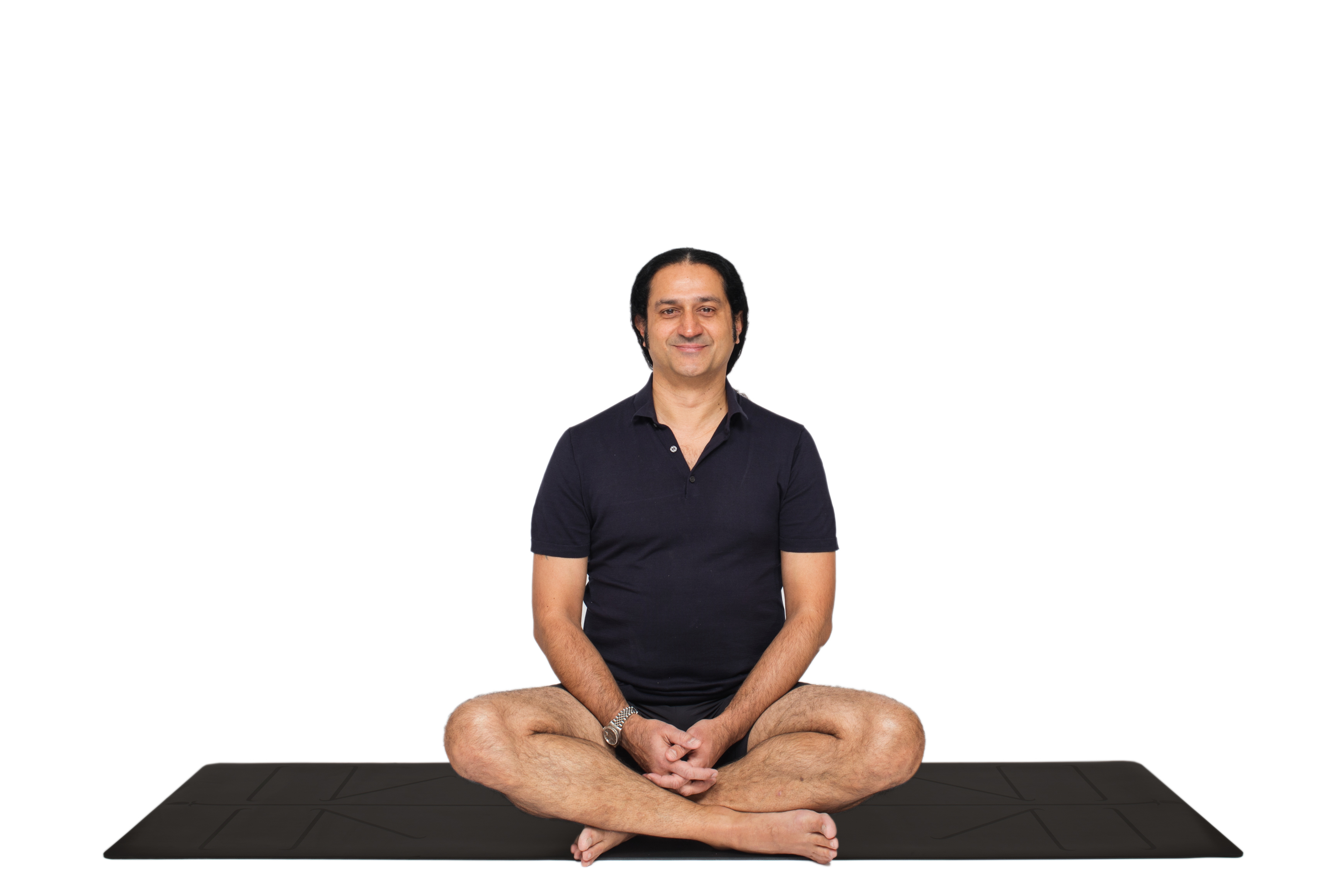
Panting is Not Pranayama
Walk into a fake yoga school and watch people attempt "fast breathing." You will see a room full of people violently jerking their shoulders up and down, puffing their chests out, and panting rapidly. They believe they are "energizing" their bodies.
Let us be clinically honest: Flapping your ribcage around while gasping for air is not Bhastrika Pranayama. It is an unregulated anxiety attack. You are not building energy; you are actively triggering hyperventilation, spiking your blood pressure, and exhausting your nervous system. True Bhastrika is a highly advanced, engineered breathing technique that requires zero movement in the chest or shoulders.
The Biomechanical Truth: The Blacksmith's Bellows
In Sanskrit, Bhastrika translates to the "Bellows Breath." Think of the massive leather bellows a blacksmith uses to drive air into a furnace to melt solid iron.
To execute this, you must exclusively use the Third Motor of Breath: The Diaphragm. It is a pure, unadulterated workout for your core respiratory architecture, utilizing the abdominal wall as a mechanical lever to drive air in and out of the lungs actively and rhythmically.
Stop Confusing the Motors: Bhastrika vs. Kapalbhati
The "McYoga" industry constantly confuses Bhastrika with Kapalbhati. Master Shahid Khan strictly isolates them because they use entirely different biomechanical motors:
Kapalbhati (The Nose Motor): Uses an active exhale to clear the sinuses, followed by a passive, relaxed inhale.
Bhastrika (The Diaphragm Motor): Uses the heavy musculature of the abdomen to actively drive the breath, flushing the deepest, unventilated cavities of the lungs.
The Danger of a Collapsed Posture: A Crushed Pipe
You cannot fire a cannon from a canoe, and you cannot practice Bhastrika in a collapsed body. If you attempt this active diaphragmatic breathing while sitting in a fake "cross-legged" slump, your abdomen is compressed. Because the diaphragm has no room to expand downward, the body compensates by violently throwing the chest and shoulders upward to gasp for air. This crushes the lower spine, strangles the Vagus Nerve, and floods the brain with a sense of panic and dizziness.
The Clinical Execution: How to Practice Yogveda Bhastrika
Because Bhastrika requires immense respiratory control, Master Shahid Khan has engineered a highly specific, 100-breath clinical cycle. Here is the exact biomechanical execution taught in Yogveda Yoga:
The Architecture: Locked Swastikasana
Sit in perfect Swastikasana. You must actively keep the space between your lower ribcage and your frontal pelvis completely open. Your spine is a straight rod, and your shoulders are locked firmly down and back. During the entire practice, your chest and shoulders must remain completely motionless.
The Active Exhalation: The Abdomen
Engage the diaphragm motor. Inhale deeply, and then actively pull the abdomen in to engage the diaphragm for the exhale. This practice is entirely about actively understanding the precise movement of the diaphragm—it is never done forcefully. The exhalation is a conscious, controlled retraction of the abdominal wall.
The 100-Breath Clinical Cycle (25x4)
In Master Khan's Yogveda system, Bhastrika is not done randomly. It is executed in a precise cycle of 100 breaths, broken down into four sets of 25:
First 25: Exhale actively using both nostrils.
Second 25: Close the left nostril. Exhale actively and exclusively through the right nostril.
Third 25: Close the right nostril. Exhale actively and exclusively through the left nostril.
Final 25: Open both airways and exhale the final 25 breaths actively using both nostrils again.
The Biological Purge (Clean the Engine)
This is not a clean, aesthetic exercise. You are acting as a biological bellows, moving stale air, trapped mucus, and biological waste out from the very bottom of your lungs. As this waste is expelled upwards, you must stop and clean your nostrils whenever necessary during the cycle.
The Master's Warning
Do NOT attempt Bhastrika if you have high blood pressure, heart conditions, or if you are a beginner with a collapsed posture. Moving the diaphragm at this velocity without perfect structural alignment will cause severe dizziness and hyperventilation. Do not treat this clinical science like a fitness trend. Learn your architecture at a legitimate yoga school, or come to Yogveda Yoga, where we build the engine before we hit the gas.
Author Master Shahid Khan


Comments