
Vyana Vayu: Understanding and Regulating the Expansive Body Force
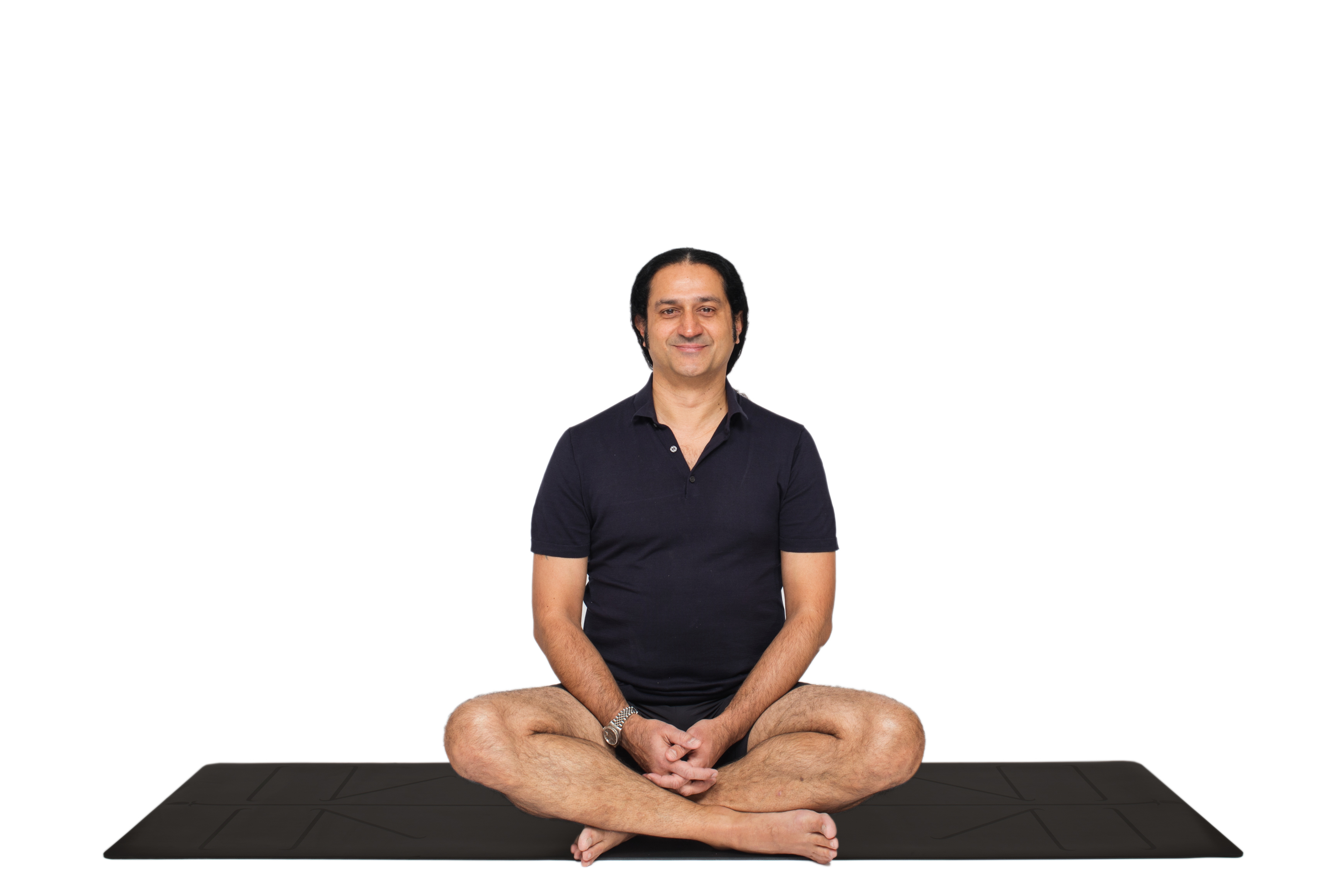

In the precise body-science of Master Shahid Khan’s Yogveda Yoga, the human body is treated as a physical machine powered by clear, directional forces. While Prana Vayu brings energy inward, Apana Vayu drives waste downward, Samana Vayu balances your center, and Udana Vayu lifts you upward, your ability to move, circulate blood, and feel your whole body depends on an expansive force. To fix poor circulation, release stiff joints, and coordinate your entire body, you must master regulating Vyana Vayu.
What is Vyana Vayu
From a biological perspective, Vyana Vayu is the outward-moving kinetic force that spreads through your whole body. It starts in the heart and chest and flows out to your skin, muscles, joints, hands, and feet. Simply put, it works like your body's internal delivery system. It carries blood flow, nerve signals, and movement from your core out to your fingertips and toes. Master Shahid Khan’s applied biomechanics defines this force as the master network that connects and coordinates your entire physical body.
This force controls your blood vessels, outer nervous system, and fascia—the continuous tissue suit wrapping every muscle and organ. When this outward movement gets blocked, your circulation drops, your hands and feet turn cold, and your muscles get stiff and disconnected from one another. Therefore, understanding how this force works is essential to keep healthy blood pressure, move your joints smoothly, and connect your entire nervous system.
The Nervous System and the Fascial Network
The physical control center for this force spans your outer nerve network and your fascia. Fascia is a continuous web of moist connective tissue wrapping around every muscle fiber, organ, and joint. It passes movement, physical pressure, and nerve signals across your whole body in real time.
When you succeed in regulating Vyana Vayu, you clear signaling across this body-wide tissue network. A balanced outward force helps nerve signals travel cleanly from your spine to your hands and feet without interruption. This helps your brain know exactly where your body is in space, improving your balance and lowering nervous system stress.
Core Functions and Distribution Mechanisms of Vyana Vayu
Blood Flow and Systemic Circulation
Your heart pumps blood into large arteries, but moving that blood into the tiny vessels at the surface of your skin and toes requires healthy blood vessel movement. Vyana Vayu controls how blood vessels widen and narrow, driving oxygen and nutrients into every muscle and organ.
This force also controls your lymphatic system—the fluid drainage network that cleans out tissue waste. By keeping fluid moving through your limbs and skin, regulating Vyana Vayu prevents fluid buildup, reduces swelling, and helps your body heal damaged tissue.
Full-Body Coordination and Movement Chains
No muscle works completely alone. Every movement—from walking to lifting—uses connected lines of muscles and fascia called kinetic chains. Vyana Vayu holds these chains together, allowing power to flow smoothly from your feet, through your core, and into your arms.
In Yogveda Yoga, we analyze the 3 Motors of Breath (Nose, Throat, and Diaphragm). When all three breath motors work together, they create a steady pressure wave through your torso. This pressure wave pushes blood and fluid outward to your arms and legs with every breath cycle, turning your breathing into an active pump for regulating Vyana Vayu.
The Stress Lock: Disruption of Vyana Vayu
Symptoms of Disruption
When you live in continuous stress, your brain locks into a "fight-or-flight" survival loop. Your body squeezes outer blood vessels to pull blood inward toward primary vital organs. When stress locks your body into this tight state, the outward expansive force collapses, and your automatic reflexes become irritable.
The physical problems that arise when you fail in regulating Vyana Vayu include:
Cold Hands and Feet: Tight blood vessels cut off normal blood flow to your extremities, making them feel chronically cold, numb, or pale.
Stiff Joints and Tight Muscles: Without good blood flow and hydrated fascia, your connective tissue dries out, causing stiff shoulders, tight hips, and hard movement.
Poor Balance and Clumsiness: Weak nerve signals down your arms and legs lower your brain's spatial awareness, making you feel unsteady or clumsy.
Irritable Body Reflexes: Over-sensitive nerve pathways cause frequent hiccups, twitching eyes, sudden sneezing fits, or constant yawning from exhaustion.
The 5 Minor Vayus: Your Body's Involuntary Reflexes
To complete this scientific mapping of internal forces, Master Shahid Khan's applied biomechanics explains the five secondary currents (Upa-Vayus). If the five main Vayus handle major body movements, these five minor forces run automatic reflexes controlled by your brainstem and autonomic nervous system:
Naga (Gas Pressure Release): Operates in the stomach and diaphragm to cause burping and hiccups. It releases trapped gas and balances internal pressure in the stomach.
Kurma (Eye Defense Reflex): Controls blinking and eyelid movement. It keeps your eyes moist and protects them from dust or debris.
Krikala (Airway Defense Reflex): Controls sneezing and coughing. It acts as an immediate reflex to clear dust, irritants, or mucus from your nose and throat.
Devadatta (Brain Cooling Reflex): Controls yawning. It draws in a large burst of air to cool the brain and balance head pressure when you are tired or low on oxygen.
Dhananjaya (Body Preservation Force): Permeates the entire body. Unlike the other vayus that leave at death, classical texts explain that it lingers to help control the physical breakdown of the body.
Join Yogveda Asana, Pranayama Classes and Yoga Workshops to Cure and Learn More
Fixing cold hands and feet, chronic joint stiffness, poor circulation, and body movement problems cannot be solved by simple stretching, random cardio, or wellness diet trends. To clear the pathways of this expansive force, restore blood flow, balance your automatic reflexes, and connect your nervous system, you need a systematic approach built on real body mechanics.
By using Master Shahid Khan's applied biomechanics, we fix structural posture, restore the 3 Motors of Breath, and hydrate your body's tissue network. This allows you to achieve the true physical stillness and internal stability required to repair your biology.
Join Yogveda Asana, Pranayama classes and Yoga Workshops to cure and learn more about your unique biology. Stop ignoring your body's distribution system. Train with anatomical accuracy, repair your nervous system, and live longer.
👉 Yogveda Asana Lesson : Build the physical presence to distinguish between what is real in the body and what is just a feeling.
👉Yogveda Yoga Teacher Training in Bern: Deepen your understanding of Patanjali's philosophy of mind and truth.
Author, Master Shahid Khan



Comments