
Techniques to Attain Samadhi and Kaivalya: Overcoming the Kleshas

The Purpose of the Techniques
In our last article, we established that the 5 Kleshas (Ignorance, Ego, Attachment, Aversion, and Fear of Death) are the inherent biological sufferings that keep the human nervous system locked in a state of chronic stress.
As long as the Kleshas are active, the mind generates continuous, obstructive cognitive ripples (Vrittis). Under these conditions, you cannot reach Samadhi (total cognitive integration), and you cannot achieve Kaivalya (absolute freedom).
Patanjali did not write the Yoga Sutras as a philosophical theory; he wrote a systematic manual to stop this physical and psychological suffering. In the Sadhana Pada (Chapter 2), he prescribes specific, clinical techniques to dismantle the Kleshas at every level—from their active state down to their dormant roots.
Here are the exact techniques Patanjali prescribes to attain Samadhi and Kaivalya.
1. Kriya Yoga: The Yoga of Action (Sutras 2.1 - 2.2)
Before you can attain Samadhi, you must physically weaken the Kleshas. Patanjali dictates a three-part protocol to attenuate (starve) the biological stress response:
Tapas (Friction / Hormetic Stress): Subjecting the body to controlled physical challenges (such as specific breath holds or postures) to train the nervous system to remain calm under pressure.
Svadhyaya (Internal Observation / Interoception): Observing your own biological and cognitive reactions without identifying with them.
Ishvara Pranidhana (Surrender): Down-regulating the ego by dropping the need to control every outcome, thereby resting the nervous system.
2. Pratiprasava: Reversing to the Root (Sutra 2.10)
Once the Kleshas are weakened by Kriya Yoga, Patanjali states that their subtle, underlying roots must be resolved through Pratiprasava (Involution).
The Process: This is the deep work of reversing the cognitive chain reaction. You do not merely manage a surface reaction; you trace the sensation all the way back through the body to its biological origin and resolve it at the root so it cannot sprout again.
3. Dhyana: The State of Meditation (Sutra 2.11)
Patanjali specifies that while the deep roots are handled by involution, the active cognitive ripples (Vrittis) generated by the Kleshas are resolved through Dhyana.
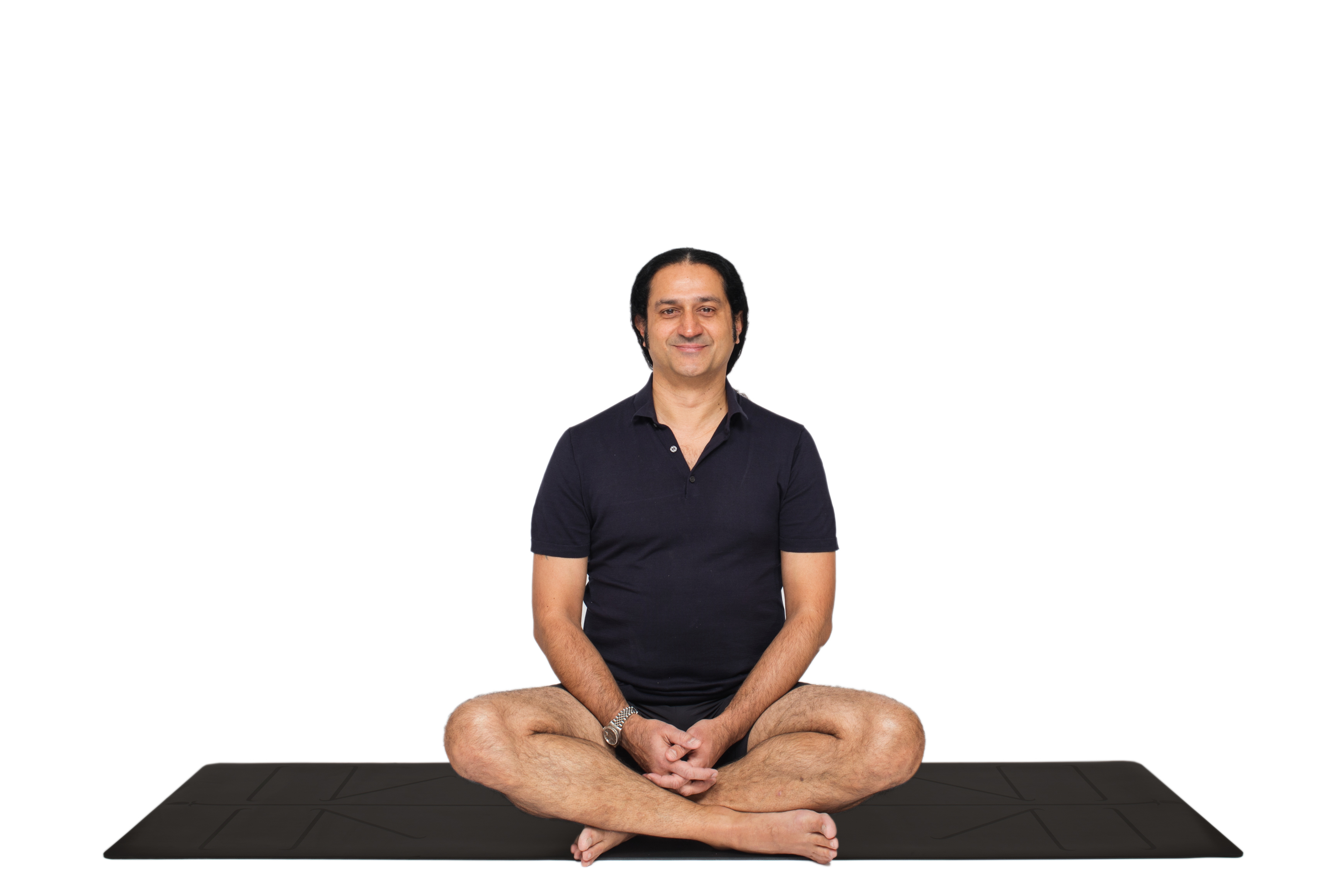
The Process: The commercial wellness industry often confuses meditation with the act of concentrating (Dharana). Dhyana is not an action or a doing; it is a state, not an act. There is no meditator in meditation. It is a neurological state where the active sense of "I" (Asmita) dissolves. During concentration, you are still exerting effort. In Dhyana, that effort ceases completely. The boundary between the observer and the observed disappears. The internal narrator goes silent, leaving only pure, effortless observation where the active alarms of the Kleshas lose their power and fade away.
4. Pratipaksha Bhavana: Cultivating the Opposite (Sutra 2.33)
When obstructive or harmful thoughts suddenly arise, Patanjali introduces Pratipaksha Bhavana as a tactical intervention.
The Process: If Pratiprasava is resolving the deep root, Pratipaksha Bhavana is the immediate emergency brake. In modern clinical terms, this is cognitive reappraisal. It is the direct, real-time application of an opposing, stabilizing thought pattern to block the chemical stress response before it alters your physical state.
5. Ashtanga Yoga: The 8-Limbed System (Sutra 2.28)
To ensure the Kleshas do not return, Patanjali prescribes the ultimate systemic overhaul: The 8 Limbs of Yoga.
The Process: By practicing the 8 Limbs (from ethical and physical discipline to absolute cognitive integration), you systematically eliminate impurities across the physical and cognitive system. This process establishes the neurological clarity required to completely eradicate Avidya (ignorance of the self) and finally attain Kaivalya.
Clinical References & Supporting Literature
The ancient techniques described by Patanjali align directly with modern neurobiological and psychological research:
On Tapas (Hormesis): Mattson, M. P. (2008). Hormesis defined. Ageing Research Reviews, 7(1), 1-7. (Demonstrates how controlled stress exposure strengthens cellular and neurological resilience).
On Svadhyaya & Dhyana (Interoception & Default Mode Network): Brewer, J. A., et al. (2011). Meditation experience is associated with differences in default mode network activity and connectivity. Proceedings of the National Academy of Sciences, 108(50), 20254-20259. (Validates that the state of meditation effectively quiets the brain's internal narrator/ego).
On Pratipaksha Bhavana (Cognitive Reappraisal): Ochsner, K. N., & Gross, J. J. (2005). The cognitive control of emotion. Trends in Cognitive Sciences, 9(5), 242-249. (Details the clinical processes of neutralizing stress responses through opposing cognitive framing).
Yogveda Manifesto
Yogveda Yoga is a compiled applied science. I do not follow modern "isms," dogmas, or blind beliefs. Rooted strictly in the classical Darśanas and Ayurveda, I dictate no human morality and teach no god worship. I simply provide the exact tools to study your own biological engine. Freedom is absolute self-knowledge. Study yourself to be free.
👉 Yogveda Asana Lesson : Build the physical presence to distinguish between what is real in the body and what is just a feeling.
👉Learn more Yoga philosophy at Yogveda Yoga Workshops in Bern
👉Yogveda Yoga Teacher Training in Bern: Deepen your understanding of Patanjali's philosophy of mind and truth.
Author, Master Shahid Khan
Yogveda Yoga Switzerland 🇨🇭


Comments