
Pectoralis Minor Anatomy in Yogveda Yoga: The Master Key to Chest Wall Posture and Breath
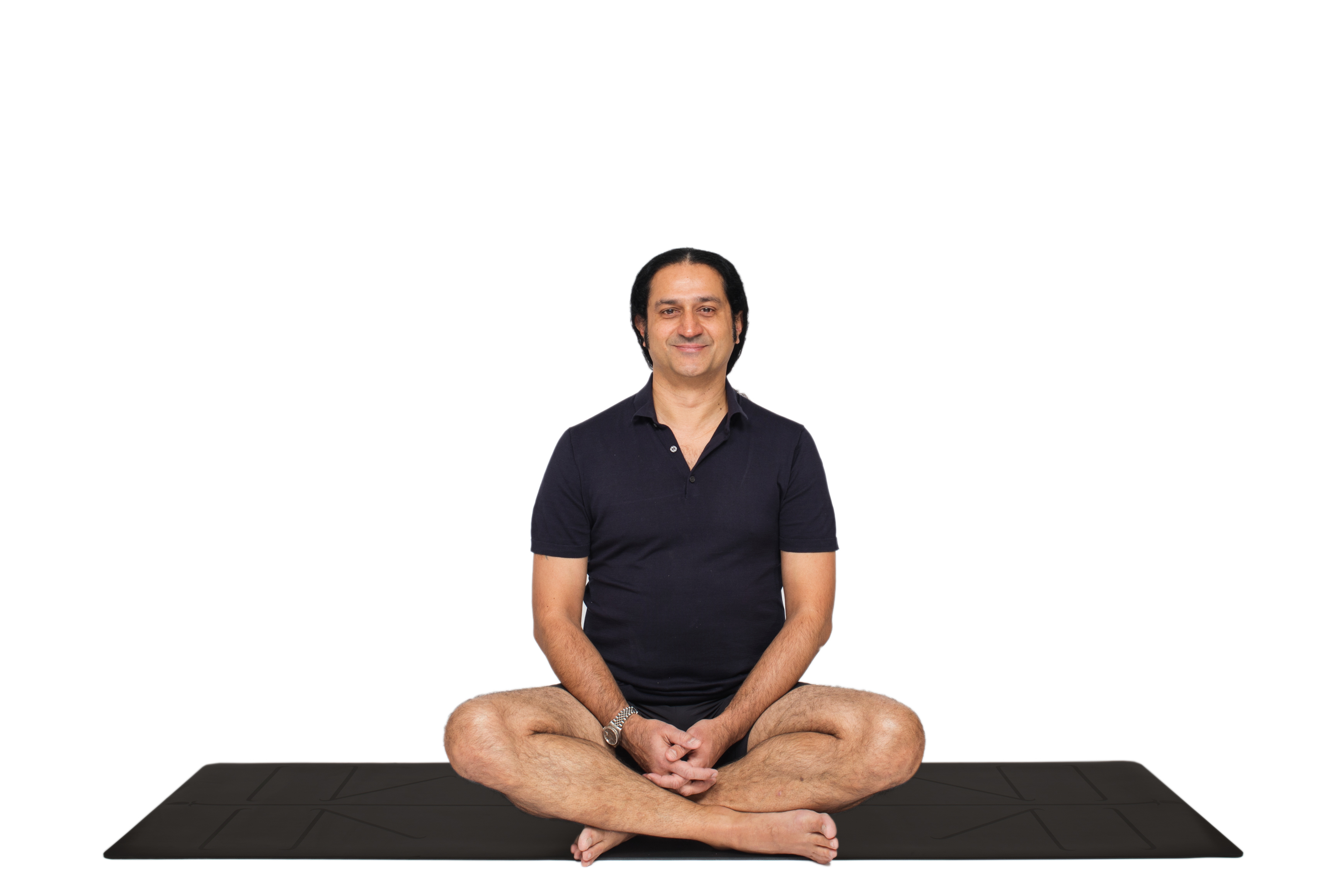

The thoracic cage is the biological engine of respiration and autonomic control. In applied biomechanical yoga science, I do not view muscles simply as tools for movement; I view them as the structural scaffolding that either facilitates or restricts our vital capacity.
This article is the second in my five-part series detailing the biomechanics of the thoracic muscles. Following the structural logic established in Part 1, I must address the root cause of postural collapse before analyzing the superficial symptoms. Therefore, I begin this deep dive with the pectoralis minor—the hidden, foundational muscle that dictates the integrity of the entire chest wall.
Pectoralis Minor Anatomy and Function in Postural Alignment
Pectoralis Minor Attachment and Shoulder Girdle Biomechanics
Lying entirely hidden beneath the larger pectoralis major, the pectoralis minor is a relatively small, triangular muscle. Anatomically, it originates from the outer surfaces of the third, fourth, and fifth ribs and converges upward to attach directly to the coracoid process—a small, hook-like bony projection on the shoulder blade (scapula).
In basic human movement, its primary physiological function is to stabilize the scapula by drawing it downward and forward against the thoracic wall. However, its biomechanical significance in yoga is profound. Because it connects the shoulder blade directly to the ribs that house the lungs, the resting length of the pectoralis minor physically dictates the available space within the chest cavity.
Pectoralis Minor Tightness: The Master Key to Chest Wall and Posture Correction
In biomechanical reality, the pectoralis minor is the master key to unlocking the entire chest musculature and restoring global upright posture. If the pectoralis minor closes, every other chest muscle is physically forced to close with it.
In modern life, any profession that demands a sustained, forward-reaching posture of the arms and shoulders—such as computer programming, barbering, tailoring, dentistry, or gardening—forces the pectoralis minor into a state of chronic, hypertonic contraction (chest muscle tightness). Psychological stress further compounds this physical tightening. When this deep muscle is locked in this shortened position, it acts like an internal anchor, pulling the coracoid process forward and downward.
Because the entire upper extremity relies on the scapula for positioning, a collapsed pectoralis minor drags the entire shoulder girdle forward, depressing the sternum and locking the ribs in a downward position. This deep structural collapse is the hidden root cause that subsequently forces the larger, superficial muscles—like the pectoralis major—into a shortened, weakened, and contracted state.
The Yogveda Yoga Methodology: Clinical Cues for Pectoralis Minor Release
In my academic curriculum of Yogveda Yoga, the four-week cycle from Week 41 to Week 44 is entirely dedicated to the precise opening and strengthening of the chest wall. Because the pectoralis minor is an angled, upward-moving muscle, releasing it is the absolute first focus in every single asana and pranayama practice during this cycle.
I utilize a strict diagnostic physical cue before any arm elevation occurs. If you are standing and your pinky finger is facing forward from the outside of your palm, your shoulder is internally rotated, and your pectoralis minor is structurally closed. To correct this collapse, the practitioner must initiate a deliberate external shoulder rotation until the pinky finger moves inwards, pointing forward from the inside of the palm. This exact rotation mechanically stretches and opens the pectoralis minor. Only after this structural release is achieved can the practitioner safely lift their arms into Urdhva Hastasana (Upward Salute). This non-negotiable sequence is the first step of every asana within this four-week cycle.
This biomechanical law extends directly into weight-bearing and inverted asanas. In postures such as Adho Mukha Svanasana (Downward-Facing Dog), Adho Mukha Vrksasana (Handstand), Sirsasana (Headstand), and Sarvangasana (Shoulderstand), gravitational pressure naturally attempts to collapse the chest. In my methodology, the practitioner must actively move the side rib cage away from the shoulder space of the pectoralis minor. This deliberate structural elevation prevents the shoulders from collapsing inward under load, actively opening and strengthening the pectoralis minor simultaneously.
Pectoralis Minor Release for Diaphragmatic Breathing and Nervous System Regulation
When the pectoralis minor is locked in a shortened position, the mechanics of breathing are fundamentally compromised. The diaphragm requires an upright, expansive rib cage to descend fully and create the negative pressure necessary for deep inhalation.
If the upper ribs are anchored down by a tight pectoralis minor, the outward expansion of the thoracic vault is blocked. The body is forced to recruit secondary neck muscles to forcefully lift the compressed rib cage. This shallow, apical breathing pattern acts as a biological alarm. It signals a state of physiological threat to the brain, locking the autonomic nervous system into sympathetic dominance (fight-or-flight) and preventing the deep repair that occurs during parasympathetic regulation.
In Yogveda Yoga, correcting this is not a matter of simply "stretching." I utilize highly specific, biomechanically precise asanas to isolate and eccentrically lengthen the fascial fibers of the pectoralis minor. By executing a true pectoralis minor release through the biomechanical alignment described above, the practitioner lifts the deep anterior anchor on the ribs. This restores the upward mobility of the thoracic vault, creates structural space for diaphragmatic breathing, and allows the autonomic nervous system to down-regulate.
Scientific Evidence: Pectoralis Minor Length and Respiratory Function
The severe biomechanical consequences of a shortened pectoralis minor are heavily documented in peer-reviewed literature. Clinical studies confirm that pectoralis minor tightness is the primary driver of altered scapular kinematics and diminished chest wall mobility.
Research demonstrates that individuals with a shortened pectoralis minor resting length exhibit a significant decrease in Forced Vital Capacity (FVC) and Forced Expiratory Volume (FEV1). When the ribs are mechanically restricted by this muscle, the overall strength and excursion of the diaphragm are reduced. Furthermore, targeted biomechanical interventions that release the pectoralis minor have been shown to immediately improve thoracic expansion, restore optimal diaphragmatic function, and enhance overall pulmonary capacity.
Citations:
Borstad, J. D., & Ludewig, P. M. (2005). The effect of long versus short pectoralis minor resting length on scapular kinematics in healthy individuals. Journal of Orthopaedic & Sports Physical Therapy, 35(4), 227-238.
Lee, J. H., et al. (2016). The effect of pectoralis minor stretching on respiratory function in patients with forward shoulder posture. Journal of Physical Therapy Science, 28(4), 1121-1124.
Yogveda Manifesto "Yogveda Yoga is a compiled applied science. I do not follow modern 'isms,' dogmas, or blind beliefs. Rooted strictly in the classical Darśanas and Ayurveda, and validated by peer-reviewed physiological studies, I dictate no human morality and teach no god worship. I simply provide the exact tools to study your own biological engine. Freedom is absolute self-knowledge. Study yourself to be free." — Master Shahid Khan
Yogveda Yoga Switzerland 🇨🇭 To establish an official Yogveda Yoga School in your city or country, please direct your inquiry to info@yogveda.ch.
Author: Master Shahid Khan Official Portals:

Comments