
How to Fix Low Blood Pressure: Restoring the Hemodynamic Gradient

You cannot cure chronic vascular stagnation with a cup of coffee. When your blood pressure is chronically low, your circulatory network is suffering from a severe physiological and structural deficit. Reaching for caffeine or synthetic stimulants acts as a violent stressor against an already exhausted sympathetic nervous system, temporarily forcing the heart to beat faster while doing nothing to repair slack vascular tone or low blood volume. Eventually, the adrenal glands burn out entirely, and the vascular stagnation deepens.
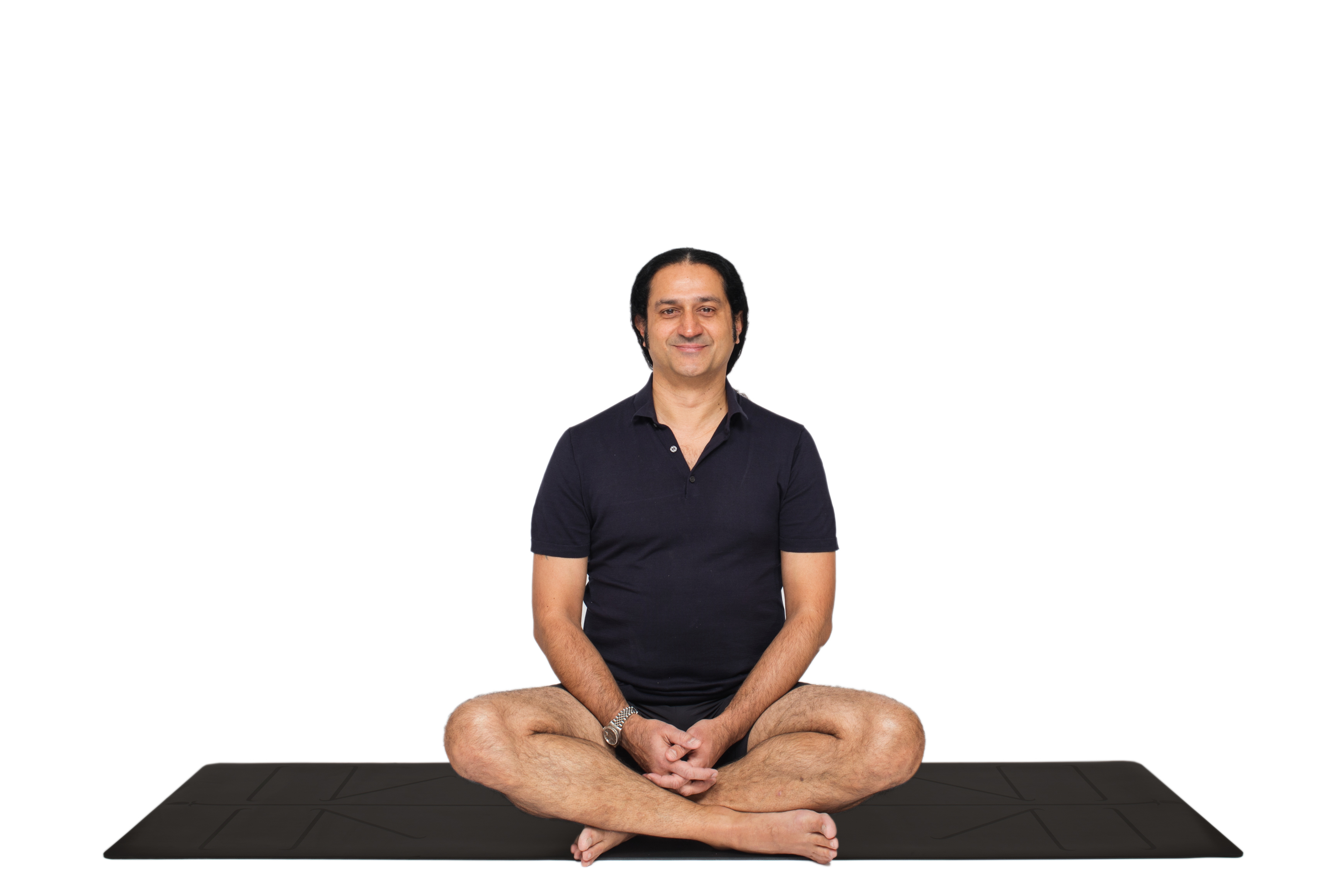
Master Shahid Khan engineered this clinical curriculum with one primary objective: to liberate you from the medical-industrial complex as much as possible. By mastering your own clinical biophysics, you reclaim your biological sovereignty from a system that profits from lifelong dependency.
In Part 2, we established that low blood pressure (hypotension) is a collapse of the hemodynamic gradient—driven by sympathetic exhaustion, venous pooling, cellular dehydration, and an aggravated Vata Dosha. To permanently restore cerebral perfusion, we must stop masking the fatigue. Today, in Part 3 of the Blood Pressure Masterclass, we deploy the exact clinical tools of Yogveda Yoga to structurally rebuild your blood volume, reactivate your venous return, and manually stimulate vascular tone.
1. Biochemical Restoration: Blood Volume and Osmoregulation
The single fastest way to increase blood pressure is to increase the total volume of fluid inside the vascular network. However, drinking plain, demineralized water will not accomplish this; it will merely dilute your blood plasma and force your kidneys to excrete the liquid immediately.
Lavana Rasa (Osmotic Expansion)
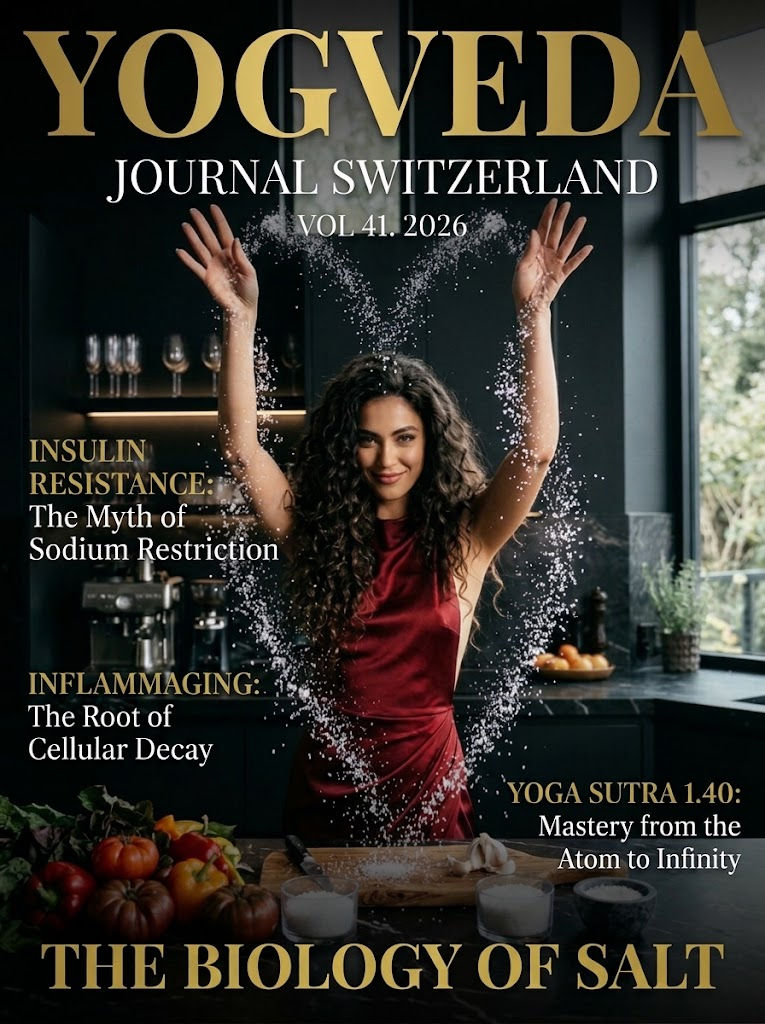
To hold fluid inside the blood vessels, you must utilize the biophysics of osmosis. In classical Ayurvedic pharmacology, this is achieved through Lavana Rasa (the salty taste). As we explored in Yogveda Journal Vol 41: The Biology of Salt, the modern medical industry's push for severe sodium restriction is a fundamental physiological misunderstanding. By stripping your diet of vital minerals, you do not protect your heart; you trigger chronic hormonal stress, actively increase insulin resistance, and starve your nervous system of the critical electrolytes required for neuro-electrical conductivity.
Unrefined, mineral-rich salts—such as Celtic sea salt or Himalayan pink salt—are packed with sodium, magnesium, and trace macrominerals. When you dissolve unrefined salt in water and consume it, the sodium enters your bloodstream and chemically pulls water into the vessels alongside it, giving the heart a denser, heavier fluid to circulate.
The Osmopressor Reflex (Acute Bolus Hydration)
Sipping water slowly does little for an acute hypotensive drop. However, rapidly drinking a large bolus of water (e.g., 500ml of mineralized water within 5 minutes) triggers the osmopressor response. This rapid influx activates stretch receptors in the stomach and osmosensors in the hepatic portal vein, triggering a profound sympathetic spinal reflex. This reflex instantly constricts peripheral blood vessels and spikes blood pressure within 10 to 15 minutes—long before the fluid has even fully entered the systemic bloodstream.
2. Biomechanical Activation: Reactivating Venous Return
Roughly 70% of your blood sits in your venous system. If this blood pools in your legs or abdomen, your heart receives inadequate venous return, collapsing your forward cardiac output. You must physically push this stagnant blood back up against gravity.
The Danger of Sedentary Pooling and Compensatory Vasoconstriction
Prolonged periods of sitting actively sabotage your cardiovascular system. When you remain sedentary, your skeletal muscles remain dormant, allowing blood to pool heavily in the lower extremities. If you sit for hours and begin to feel cold—particularly in your hands and feet—this is not merely an environmental chill; it is a direct biological indicator that your hemodynamic pressure has collapsed. The body, struggling with diminished cardiac output, triggers compensatory peripheral vasoconstriction—forcefully clamping down on peripheral blood vessels to hoard whatever warm blood remains for the vital organs.
To reverse this, you do not need to run a marathon, which would only further exhaust your sympathetic reserves. Instead, you must immediately disrupt the stagnation through gentle, rhythmic biomechanical activation. A brisk, purposeful walk is entirely sufficient to re-engage the calf muscles, physically forcing the pooled venous blood back up to the heart. Combine this movement with an immediate bolus of mineralized water to rapidly expand your blood volume and restore peripheral perfusion.
Isometric Skeletal Muscle Contraction
At Yogveda Yoga, we do not treat Asana (posture) as passive stretching; we treat it as clinical biomechanics. We deploy intense, sustained isometric contractions of the lower extremities—specifically targeting the gastrocnemius (calves), quadriceps, and glutes. By deliberately squeezing the deep veins in the legs, we force the venous valves open and violently propel pooled blood upward. This massive surge in venous return instantly stretches the right atrium of the heart, forcing the left ventricle to contract with significantly greater kinetic force.
Splanchnic Vascular Compression (Uddiyana Bandha)
Up to 30% of your total blood volume rests in the splanchnic vascular bed (the blood vessels supplying the gastrointestinal tract, liver, and spleen). In hypotensive individuals, blood heavily pools in this abdominal reservoir. By applying Uddiyana Bandha (the intense upward abdominal lock), you create a massive negative intra-thoracic pressure while physically compressing the abdominal organs. This biomechanical action forcefully squeezes the splanchnic vascular bed, shunting massive amounts of pooled blood directly up the inferior vena cava and into the right atrium of the heart.
3. Structural Manipulation: Inversions and Backbends
Inversions (Reversing the Gravitational Gradient)
When you are upright, gravity pulls blood down into the lower extremities. By utilizing clinical inversions, we eliminate this gravitational resistance. Postures that elevate the legs or invert the entire body allow pooled venous blood to passively drain from the lower limbs and flood the heart, instantaneously saturating the cerebral cortex with oxygen-rich blood.
Backbends (Sympathetic Thoracic Extension)
Deep spinal extensions (backbends) directly stimulate the sympathetic chain ganglia—the network of nerves running parallel to the thoracic spine. This structural activation triggers a localized neural response, immediately elevating the heart rate and increasing systemic vascular resistance. Unlike synthetic stimulants, backbends naturally increase vascular tone without exhausting the adrenal reserves.
4. Endocrine Modulation: Ayurvedic Pharmacognosy (Yashtimadhu)
Your blood volume is governed by your kidneys, which take orders from a hormone called aldosterone. Rather than burning out the adrenal glands with caffeine, classical Ayurveda utilizes Glycyrrhiza glabra (Licorice root, or Yashtimadhu).
In advanced clinical pharmacognosy, licorice contains an active compound called glycyrrhizin. This compound physically inhibits the specific enzyme in the kidneys (11-beta-hydroxysteroid dehydrogenase) responsible for breaking down cortisol. By preventing this breakdown, the accumulated cortisol binds to aldosterone receptors. Consuming a clinical dose of true licorice root chemically commands your kidneys to hold onto sodium and expand your blood volume, structurally raising blood pressure through precise endocrine modulation.
5. Neurological Modulation: Sympathetic Resuscitation via Pranayama
Right-Nostril Dominance (Surya Bhedana)
In clinical Yoga anatomy, the right nostril is neurologically wired to the Pingala Nadi, the energetic pathway that governs the sympathetic nervous system and metabolic heat (Pitta). By isolating the breath exclusively through the right nostril using deep, forceful diaphragmatic pulls, we manually trigger the release of sympathetic catecholamines. This localized sympathetic spike bypasses adrenal burnout, commanding the smooth muscle surrounding your arterial walls to constrict. The vascular network tightens, and cerebral perfusion is restored.
The Vata Pacification Protocol
Curing low blood pressure requires clinical discipline. Eliminate cold, raw foods and stimulants. Prioritize heavy, mineralized hydration, sustained biomechanical muscle contractions, splanchnic compression, endocrine modulation, and sympathetic breathing mechanics. You are not "curing a disease"—you are restoring complete cardiovascular integrity.
Tomorrow, in Part 4 of the Blood Pressure Masterclass, we pivot to the opposite extreme: High Blood Pressure (Hypertension). I will deconstruct the pathology of sympathetic overdrive and endothelial inflammation.
Scientific References & Academic Grounding
Osmoregulation, Blood Volume, and Insulin Resistance: Yogveda Journal Vol 41: The Biology of Salt. (Details the metabolic dangers of sodium restriction and the necessity of electrolytes for neuro-electrical conductivity).
Venous Return and Muscular Contraction: Rowell, L. B. (1993). Human Cardiovascular Control. Oxford University Press.
The Osmopressor Reflex: Jordan, J., et al. (2000). The pressor response to water drinking in humans. Circulation.
Endocrine Modulation via Glycyrrhizin: Farese, R. V., et al. (1991). Licorice-induced hypermineralocorticoidism. New England Journal of Medicine. (Details the enzymatic inhibition of 11-beta-HSD by glycyrrhetinic acid).
Autonomic Breathing Mechanics: Bhavanani, A. B., et al. (2014). Immediate cardiovascular effects of pranava pranayama in hypertensive patients. Indian Journal of Physiology and Pharmacology. (Provides physiological evidence for targeted nostril breathing and autonomic modulation).
Your Applied Science Reflection: Liberate yourself from the medical-industrial complex by understanding your own cardiovascular system. Do not overstimulate an exhausted nervous system with caffeine. Give the body what it actually requires: mineral mass to build volume, muscular contraction and splanchnic compression to defeat gravity, and targeted neurological tension to constrict the vascular network.
Yogveda Manifesto
Yogveda Yoga is a compiled applied science. We do not follow "isms," dogmas, or blind beliefs. Rooted strictly in the classical Darśanas and Ayurveda, we dictate no human morality and teach no god worship. We simply provide the exact tools to study your own biological engine. Freedom is absolute self-knowledge. Study yourself to be free.
👉 Yogveda Asana Lesson : Build the physical presence to distinguish between what is real in the body and what is just a feeling.
👉Yogveda Yoga Teacher Training in Bern: Deepen your understanding of Patanjali's philosophy of mind and truth.
Author, Master Shahid Khan
Yogveda Yoga Switzerland 🇨🇭


Comments