
The Flexibility Curse: Why Being "Bendy" is a Structural Weakness, Not Yoga.

Flexibility is not Yoga
If you ask the average person why they do not practice yoga, their immediate answer is almost always: "I am not flexible enough." Why do they believe this? Because the modern "McYoga" industry has brainwashed the public into believing that yoga is synonymous with contortionism. You open social media and see wellness entertainers wrapping their legs behind their heads and forcing their spines into extreme, passive bends.
Let us be clinically, biomechanically honest: Extreme flexibility without immense, opposing strength is not a virtue. It is a curse. Being "bendy" does not mean you are healthy, and it certainly does not mean you are doing Yoga. It simply means your joints are structurally compromised.
The Biomechanical Disaster of "Opening Up"
Modern yoga classes are obsessed with "hip openers" and "heart openers." Instructors tell you to push deeper into a stretch, allowing gravity to yank your joints past their natural range of motion. Here is the anatomical reality they do not understand:
Muscles are elastic; they stretch and contract. But ligaments and tendons are designed to be strict mechanical limiters. They connect bone to bone. They are the seatbelts of your skeleton, keeping your joints stable under the crushing weight of gravity.
When you force your body into hyper-flexible, passive stretches, you are not lengthening muscle—you are overstretching your ligaments. And unlike muscles, once a ligament is permanently stretched out, it never snaps back. You are creating joint laxity and destroying your own architectural integrity. You are building a "Spaghetti Spine."
The Curse of Laxity: A Loose Body Equals a Loose Mind
When you destroy your ligaments, you don't just lose physical stability; you lose psychological stability. The body and the mind are a single connected entity. As is the body, so is the mind.
Ligaments provide boundaries and control. When your ligaments are loose and uncontrollable, your physical structure becomes unstable. A loose, unstable body directly translates into a loose, unfocused, and highly anxious mind. Your nervous system is constantly panicking because it has no structural anchors. This complete lack of physical and mental boundaries is exactly what manifests as chronic, debilitating pain.
The Trap: Why the "Flexible" Become Yoga Teachers
This brings us to the most dangerous illusion in the modern wellness industry: People with genetic joint laxity (hypermobility) mistake their structural weakness for "talent." Because it is physically effortless for them to perform deep backbends, their ego convinces them they are spiritually advanced.
So, they buy a 200-hour certificate—whether it is from a retreat in Bali, an ashram in India, or a weekend course right here in Switzerland—and suddenly call themselves "Yoga Teachers."
But they are not teachers; they are performers. They have never had to study the deep biomechanics of structural resistance. They simply demonstrate their own genetic laxity and tell normal students to "push deeper." This is exactly how normal people end up with torn labrums and herniated discs.
The Reality Check: True Yoga is Structural Architecture
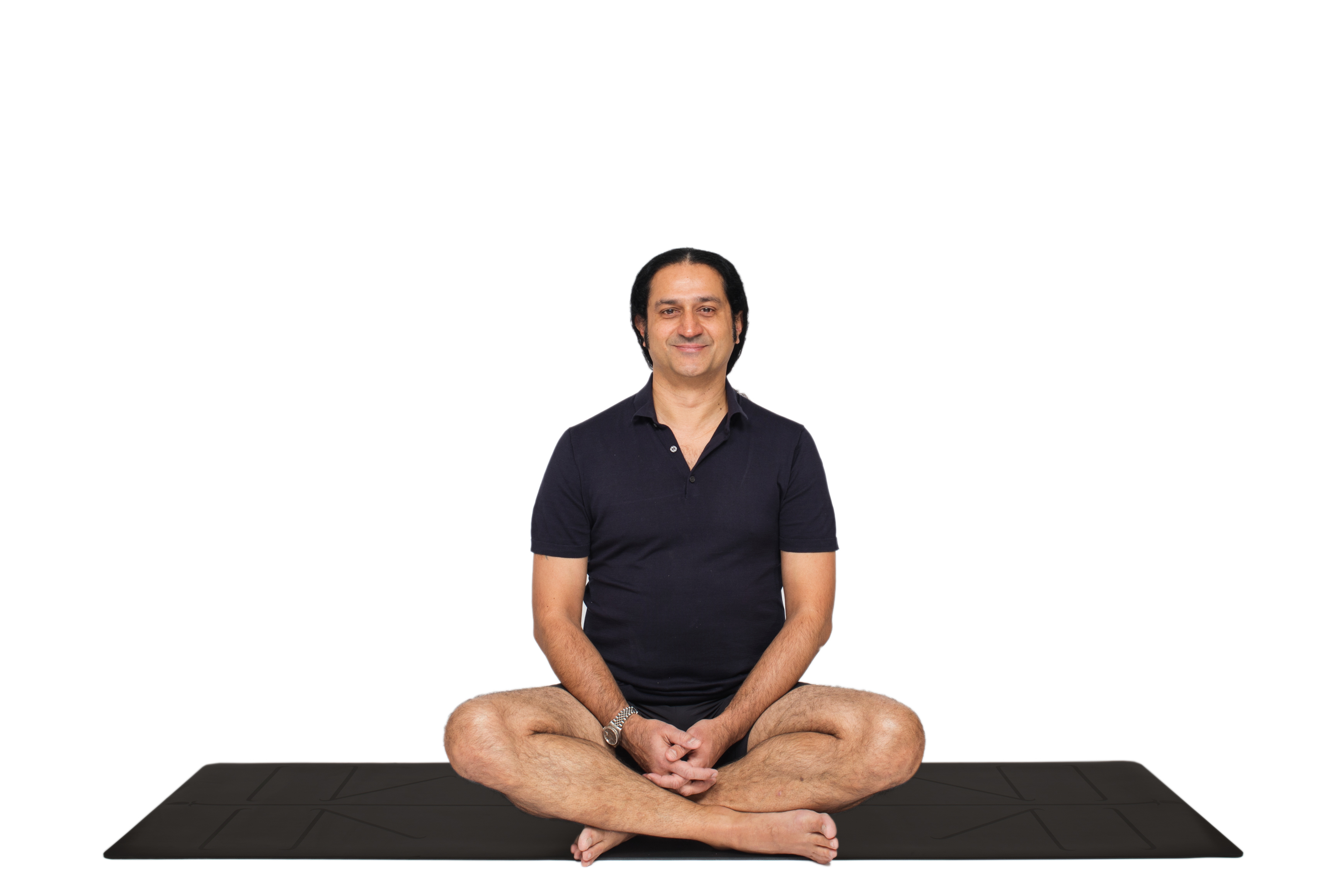
As you can see in the image, True Yoga (Asana) is not about becoming a wet noodle for the camera. It is the architectural science of creating Tension and Compression.
In a Structural Yogveda Yoga class, the goal is not to make you "bendy." Master Shahid Khan's goal is to build a fortress. You must learn to create immense intra-abdominal pressure and muscular armor around your bones so your skeleton can withstand the heavy friction of daily life. You need grounded stability, not hyper-mobility.
The Takeaway: Stop Admiring Loose Ligaments
Do not admire the hyper-flexible contortionist. They are structurally unstable, masking their profound physical and mental looseness with aesthetic party tricks. It is time to stop stretching your ligaments into oblivion and start building real structural armor.
Author Master Shahid Khan


Comments