
The Oxygen Delivery System: How Breathing Actually Feeds the Cell
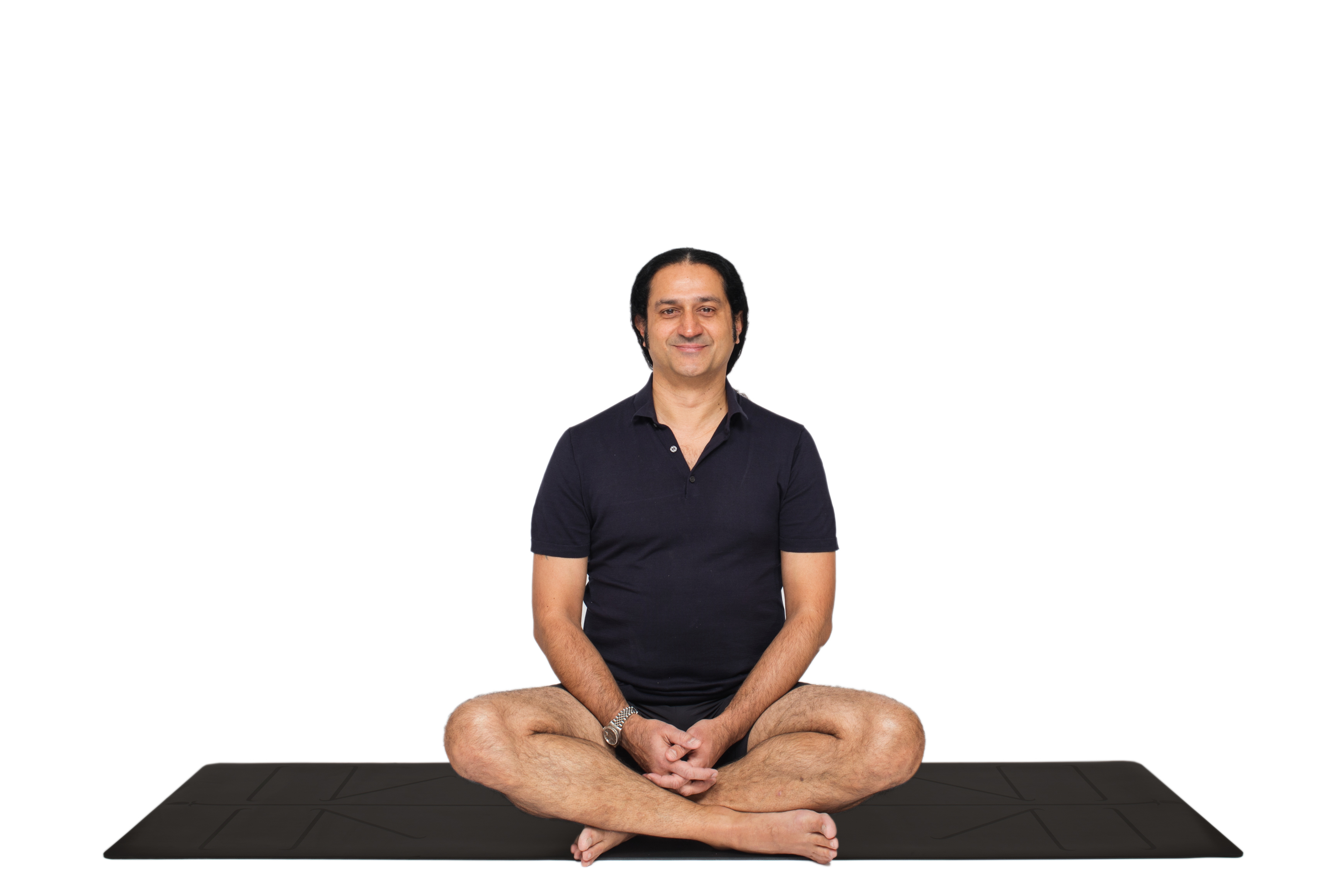

In the first part of this series, I defined human energy not as a feeling, but as a physical molecule called ATP, produced by your mitochondria. To synthesize ATP, your mitochondria require a constant, precise delivery of oxygen.
However, the commercial wellness and fitness industries severely misunderstand how oxygen travels through the human body. They promote hyperventilation—taking massive, aggressive gulps of air—under the illusion that more air in the lungs automatically equals more oxygen in the cells. In clinical physiology, the exact opposite is true.
Taking a deep breath does not mean oxygen reaches your mitochondria. To understand how to actually feed your cells, you must understand the rules of biological oxygen delivery.
The Illusion of Deep Breathing
When you inhale, oxygen enters your lungs and binds to a protein in your red blood cells called hemoglobin. Hemoglobin acts as a transport vehicle, carrying oxygen through your bloodstream.
The problem is that hemoglobin is highly possessive. It binds tightly to oxygen and does not want to let it go. If you are constantly over-breathing, sighing, or breathing through your mouth—which most people do when they are stressed—your blood becomes saturated with oxygen, but that oxygen stays locked inside the hemoglobin. It never reaches the deep tissues, the brain, or the mitochondria.
You can be breathing heavily and still be suffocating at the cellular level.
The Bohr Effect: The Chemical Key to the Cell
To force the hemoglobin to release oxygen into the mitochondria, we must alter the chemical environment of the blood.
In 1904, the physiologist Christian Bohr discovered a biological law now known as the Bohr Effect. He proved that hemoglobin will only release its oxygen when it encounters an increase in carbon dioxide (CO2) and a slight increase in blood acidity.
Carbon dioxide is not merely a waste gas; it is the chemical key that unlocks the oxygen from your blood. When you breathe slowly and with controlled resistance, you allow a safe, slight accumulation of CO2 in the bloodstream. This signals the blood vessels to dilate (widen) and forces the hemoglobin to drop its oxygen directly into the deep tissues and mitochondria where it is desperately needed for ATP production.
The Yogveda Respiratory Intervention
In Yogveda, I do not teach "relaxation breathing." I teach applied respiratory physiology.
To utilize the Bohr Effect, I train my students to use the three biological motors of breath: the nasal passages, the restriction of the throat (Ujjayi), and the isolation of the diaphragm.
By applying strict resistance at the throat and slowing the respiratory rate, we intentionally build carbon dioxide tolerance. Specifically, I teach prolonged Kumbhakas (breath retention) and Bandhas (biomechanical locks) in Yogveda Pranayama to deliberately increase CO2 levels, which chemically triggers the release of oxygen from the hemoglobin.
This controlled, biomechanical restriction manually alters the pH of the blood. It dilates the vascular system, drops the heart rate, and chemically forces maximum oxygen dissociation into the mitochondria. We are not just taking in air; we are physically dictating where the oxygen goes.
This perfectly reinforces your clinical authority by showing how ancient classical techniques biologically alter blood chemistry.
Clinical Study References
Bohr, C., Hasselbalch, K., & Krogh, A. (1904). Ueber einen in biologischer Beziehung wichtigen Einfluss, den die Kohlensäurespannung des Blutes auf dessen Sauerstoffbindung übt. Skandinavisches Archiv für Physiologie, 16(1), 402-412.
Loeppky, J. A., et al. (1993). Effects of voluntary hypoventilation on arterial blood gases. Aviation, Space, and Environmental Medicine, 64(7), 585-590.
"Yogveda is not a flexible performance; it is a clinical intervention. It is the strict biomechanical science of utilizing internal physics, respiratory resistance, and neurological focus to manually override the autonomic nervous system, eradicate systemic inflammation, and restore absolute biological homeostasis." — Master Shahid Khan
Yogveda Yoga Switzerland 🇨🇭 To establish an official Yogveda Yoga School in your city or country, please direct your inquiry to info@yogveda.ch.
Author: Master Shahid Khan Official Portals:

Comments