
Yogveda Journal Vol. 46: The Biology of Winter – How Cold Weather Affects the Human Body
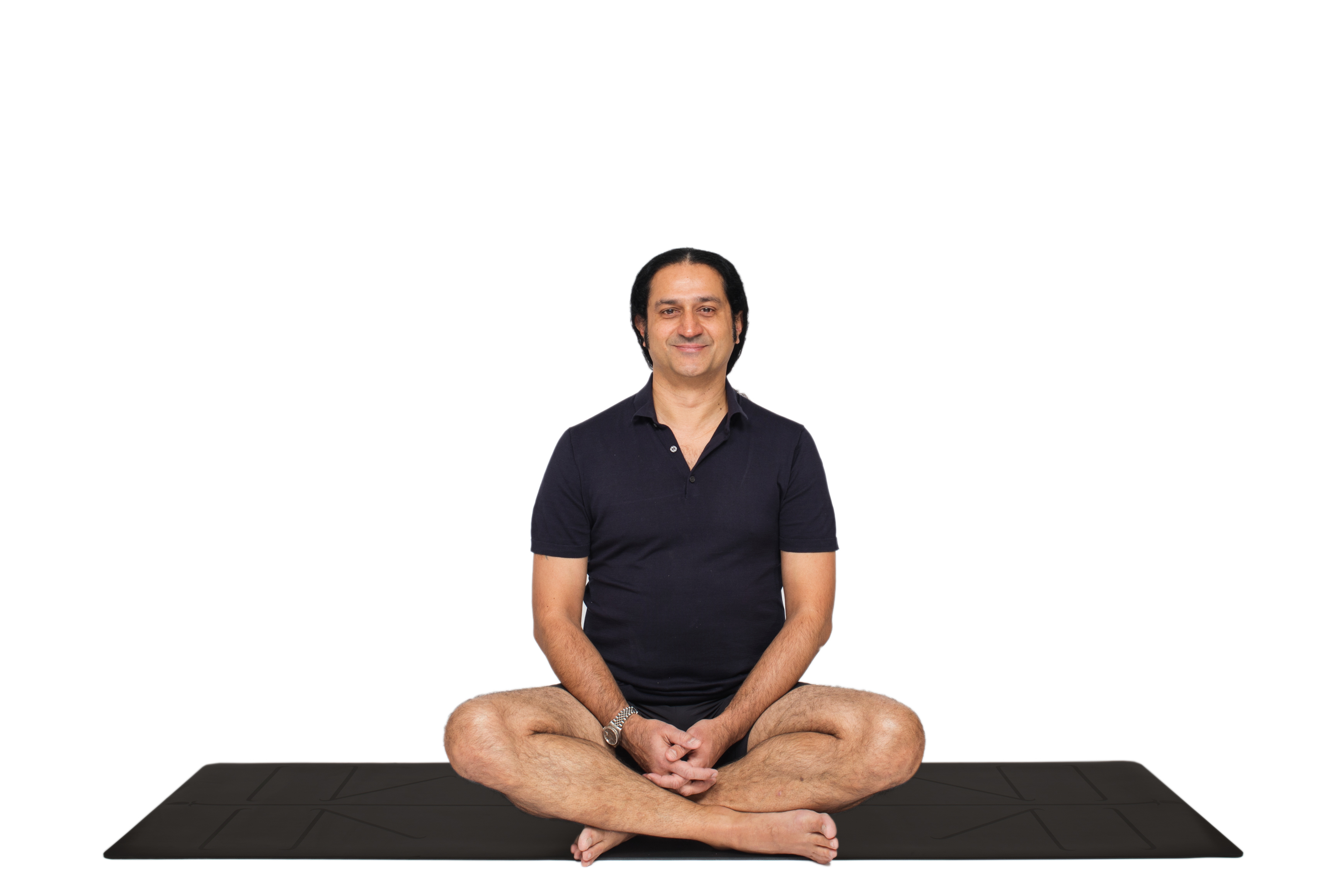

Welcome to the Yogveda Journal Switzerland, Vol. 46, 2026.
The Yogveda Journal Switzerland is, to our knowledge, the world's only fully accessible, free weekly academic Yoga journal from Switzerland, integrating modern science, Ayurveda and classical Yoga philosophy.
Editorial
Winter does not simply change the environment around you. It changes the physiological demands placed upon your body.
As temperatures fall and daylight diminishes, the human body must regulate its internal temperature, adjust its circulation, condition the air entering its lungs and maintain its metabolic rhythm.
Winter demands biological adaptation.
Modern living, however, has fundamentally changed our relationship with winter. We move between heated buildings, reduce our physical activity, consume heavier foods and spend increasingly less time in natural daylight.
External warmth protects us from the cold. It does not, however, replace the physiological functions supported by movement, respiration and appropriate nutrition.
The human body possesses remarkable mechanisms for adapting to seasonal changes. Brown adipose tissue generates internal heat. The lymphatic system performs essential functions in immune defence. The nasal cavity warms, humidifies and filters the air we breathe. Our biological clocks regulate numerous metabolic and hormonal processes, while movement supports the functional mobility of our joints.
In this edition, we examine these five interconnected physiological subjects and explore how the Yogveda Method incorporates this knowledge into the practice of Asana, Pranayama, Core Dynamic, Kundalini Kriya and nutrition.
An intelligent Yoga practice should not remain identical throughout the year. As our environment changes, the physiological requirements of our body change with it.
Winter should not become a season of physical stagnation. It is an opportunity to develop a greater understanding of your body's remarkable capacity for adaptation and to adjust your personal practice accordingly.
In This Edition

Thermogenesis and Cellular Heat
Where does your internal warmth actually come from?
Brown adipose tissue is rich in mitochondria and possesses the remarkable ability to generate heat without muscular shivering. This article explores the biology of thermogenesis, the physiological response to falling temperatures and the role of muscular activity in generating internal heat. It also examines how the Yogveda Method incorporates movement and respiration into the practice of Yoga during winter.

Mechanical Immunity and the Lymphatic System
Immunity is not simply a question of nutrition. The transport of fluids and immune cells also plays an essential role.
This article examines the architecture of the lymphatic system, its intrinsic pumping mechanisms and the influence of muscular contraction and diaphragmatic movement on lymphatic circulation. Discover the significance of Asana and Pranayama within the Yogveda Method in relation to these physiological processes.

Protecting the Respiratory System through Nasal Breathing
Your nose is one of the body's most sophisticated biological air-conditioning systems.
This article explains how the nasal cavity warms, humidifies and filters incoming air. It examines the physiological significance of nitric oxide and the effects of cold, dry air on the respiratory tract. We also explore the physiological principles underlying Yogveda Pranayama, Kumbhaka and the Bohr Effect.

Winter Fatigue and Metabolic Anchoring
Why do shorter days and longer nights influence your energy, appetite and physical vitality?
Winter fatigue involves complex interactions between daylight, circadian rhythms, metabolism and hormonal regulation. This article examines the significance of meal timing and physical activity in relation to our biological clocks. It introduces the Yogveda approach, integrating nutrition, Asana, Pranayama, Core Dynamic and Kundalini Kriya.

Synovial Viscosity, Tapas and the Danger of Passive Winter Stretching
A stiff joint does not necessarily require deeper stretching.
This article examines the properties of synovial fluid, the significance of tissue temperature and the mechanical relationships between muscles, ligaments and articular cartilage. Through the classical Yoga principle of Tapas, we explore why the Yogveda Method places particular emphasis on internal warmth, active muscular engagement and controlled joint movement before demanding greater flexibility.

Yoga Sutra 1.45 – The Final Boundary of Nature (Aliṅga)
How far can meditative inquiry into the nature of existence extend?
In Yoga Sutra 1.45, Patanjali identifies Aliṅga, the unmanifest state of Prakṛti, as the ultimate limit of subtle objects in meditation. Through the philosophical architecture of Sāṃkhya, this article examines the progression from gross physical manifestations to their subtle causes and the fundamental distinction between nature and consciousness.
The Yogveda interpretation further develops this understanding: body and mind form a psychosomatic unity. The Vṛttis and Kleśas are the lens of our personal Māyā. Ātman is the Seer.
Winter changes the conditions in which we live. Understanding our own biology allows us to adapt our practice intelligently to those changing conditions.
Yogveda Yoga Switzerland 🇨🇭
Six educational articles each week, brought together every Friday in the freely accessible Yogveda Journal.
To establish an official Yogveda Yoga School in your city or country, or to enquire about licensed Yoga Teacher Training and international partner programmes, please contact info@yogveda.ch.
Author: Master Shahid Khan
Official Portals:
www.yogveda.ch – The Yogveda Method, teaching and publications
www.yogauniversity.ch – Teacher Training licensing and international partner programmes
www.theyogamat.com – Precision Yoga alignment technology
YOGVEDA — Structured. Precise. Logical.


Comments