
The Clinical Biology of Winter: Thermogenesis and Cellular Heat
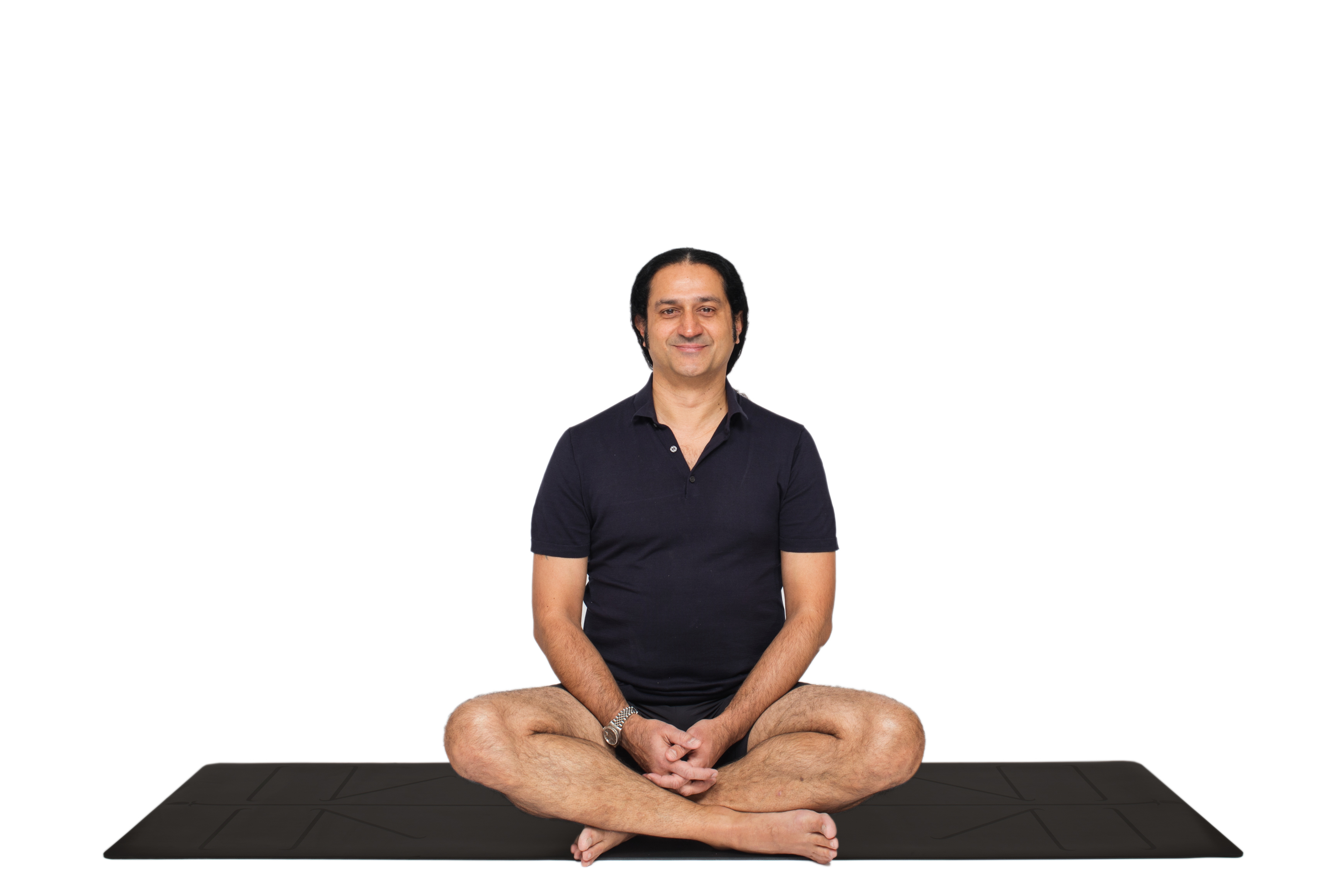

This 5-part clinical series is called The Clinical Biology of Winter, and it focuses on helping you manually engineer your biological system to survive, adapt, and build absolute resilience against severe seasonal stress.
The commercial wellness industry treats winter as an excuse to sell immune drinks, masala chais, gentle stretching, and passive "immune-boosting" teas. In clinical biology, winter is not a time for cozy relaxation. It is an extreme environmental stressor. Cold, dry air and drastically reduced sunlight force the biological system to radically alter its metabolism, vascular flow, and endocrine rhythms simply to survive.
Modern society has entirely lost its ability to biologically adapt to this seasonal trauma.
The Biological Shock of a Rapid Seasonal Transition
Currently, the environment is no longer providing a gradual, safe seasonal shift. I am observing a violent, two-week plunge from summer heat directly into winter freezing.
The human body requires time to naturally down-regulate its vascular system and build its metabolic defenses. When the temperature drops this rapidly, the biological system goes into a state of shock. To conserve heat and protect the vital core organs, the brain triggers immediate vasoconstriction—the aggressive narrowing of the blood vessels. Simultaneously, the surrounding musculature involuntarily contracts and tightens as a protective reflex.
This constant, involuntary muscular tension acts like a tourniquet. It drastically chokes off peripheral blood circulation to your extremities, connective tissues, and joints.
Without adequate, warm blood flow, the synovial fluid (the natural lubricant inside your joint capsules) thickens from a smooth oil into a heavy, highly viscous paste. Your joints are literally starved of oxygen and nutrients. This leaves them profoundly stiff, metabolically stagnant, and highly susceptible to mechanical tearing. You cannot afford to wait for your body to slowly adapt to this cold. You must manually force the adaptation immediately.
The Atrophy of Internal Thermoregulation
When exposed to a drop in temperature, a healthy biological system generates its own heat to protect the organs—a process known as thermogenesis. However, modern humans rely entirely on external interventions. You move from a heated house to a heated car to a heated office, constantly insulated by heavy clothing.
Because your body is never forced to endure the environmental stress of the cold, its internal thermogenic engine completely atrophies. When your internal heating mechanisms shut down, systemic circulation drops, cellular metabolism stagnates, and your immune defenses collapse. This metabolic weakness makes you a prime target for winter viral pathogens.
The Clinical Science of Brown Adipose Tissue (BAT)
To survive this sudden winter shock, you do not need a hot beverage; you need to activate your Brown Adipose Tissue (BAT).
Unlike standard white fat, which lazily stores excess calories, brown fat is densely packed with iron-rich mitochondria. Clinical studies confirm that when triggered by physiological and environmental stress, these specific mitochondria utilize a unique protein (UCP1). Instead of converting food into normal cellular energy (ATP), this protein bypasses the standard process and burns blood glucose and lipids strictly to generate massive amounts of pure internal heat.
This mechanism is known as non-shivering thermogenesis. It is a measurable, clinical biological function. But this metabolic furnace remains completely dormant in the modern human unless I manually force it to ignite.
The Yogveda Thermogenic Intervention
In the Yogveda system, I do not rely on artificially heated rooms to induce a superficial sweat. There is no commercial "hot yoga" here; you get hot from the inside out. I use strict biomechanics and respiratory resistance to manually engineer mitochondrial heat production.
I dictate intense, sustained muscular load through classical architectures (Asanas), combined with severe respiratory friction at the throat (Ujjayi). This precise combination of heavy physical demand and internal respiratory pressure forces the cardiovascular system to fight back against the cold. It breaks through the involuntary muscular tension and drives high-pressure blood deep into the stiffened joints, physically melting the thick synovial fluid and restoring frictionless mobility.
Simultaneously, this immense mechanical and respiratory stress directly activates your brown adipose tissue. I turn your body into a highly efficient, self-heating metabolic furnace. I am not teaching you how to stretch comfortably through the winter. I am forcing your biological system to command its own internal climate, eradicating seasonal shock and engineering absolute winter resilience.
Clinical Study References
Cannon, B., & Nedergaard, J. (2004). "Brown adipose tissue: function and physiological significance." Physiological Reviews, 84(1), 277-359. (The clinical gold standard on how Brown Adipose Tissue utilizes mitochondrial uncoupling (UCP1) to burn lipids and generate internal heat).
Castellani, J. W., & Young, A. J. (2016). "Human physiological responses to cold exposure." Comprehensive Physiology, 6(2), 1035-1058. (Details the immediate biological shock of acute cold, peripheral vasoconstriction, and the protective mechanics of the cardiovascular system).
Woods, K., et al. (2007). "Warm-up and stretching in the prevention of muscular injury." Sports Medicine, 37(12), 1089-1099. (Analyzes the relationship between tissue temperature, blood flow, and the dangerous thickening (viscosity) of synovial fluid in cold, unconditioned joints).
"Yogveda is not a flexible performance; it is a clinical intervention. It is the strict biomechanical science of utilizing internal physics, respiratory resistance, and precise metabolic protocols to starve cellular pathology, eradicate systemic inflammation, and restore absolute biological homeostasis." — Master Shahid Khan
Yogveda Yoga Switzerland 🇨🇭 To establish an official Yogveda Yoga School in your city or country, please direct your inquiry to info@yogveda.ch.
Author: Master Shahid Khan Official Portals:
Comments