
The Clinical Biology of Winter: How to Overcome Winter Fatigue Through Metabolic Anchoring
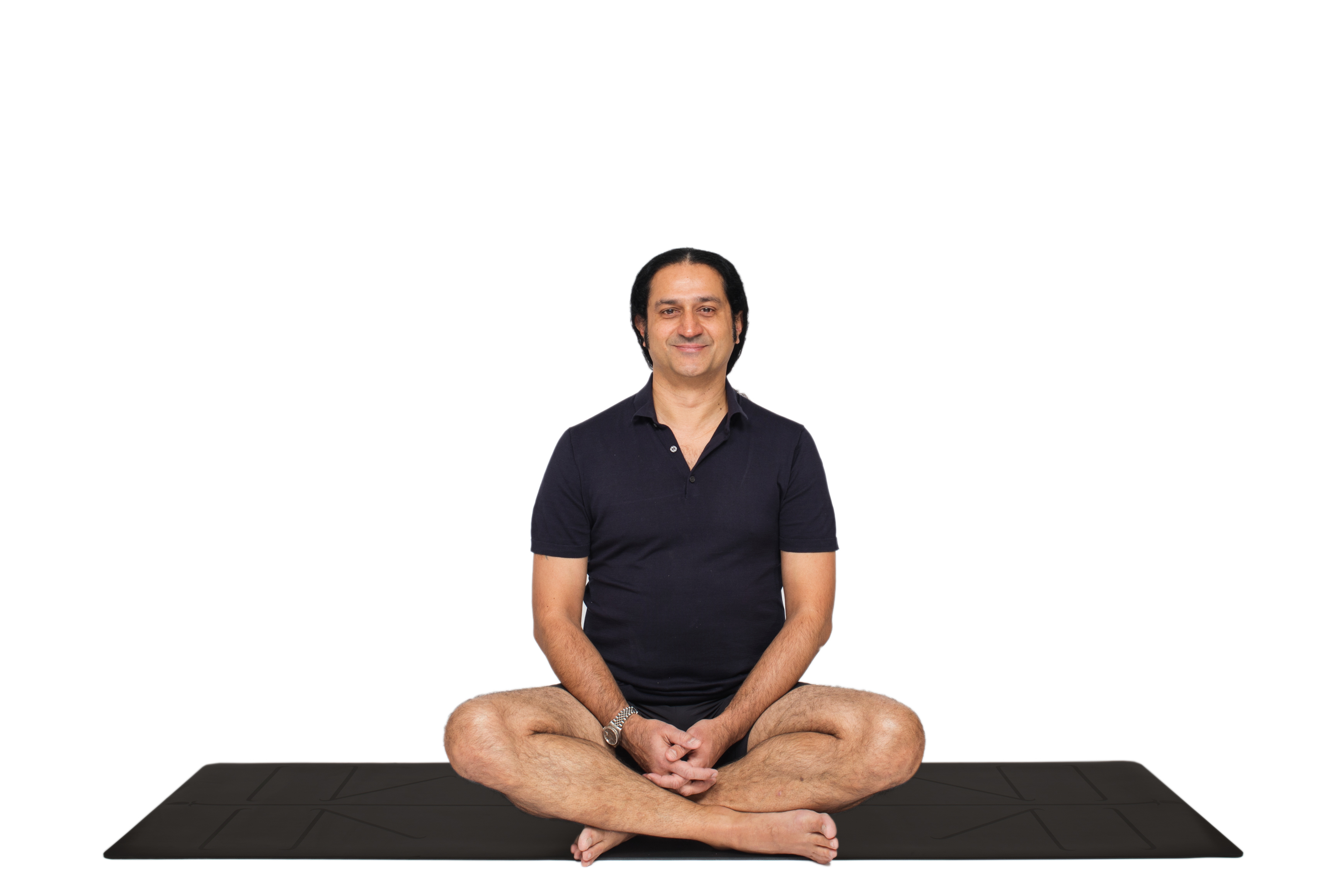

This 5-part clinical series is called The Clinical Biology of Winter, focusing on how to manually engineer your biological system to adapt and maintain resilience during seasonal temperature drops.
When the days grow short and dark, many people experience a profound drop in physical vitality. The commercial wellness industry treats this lethargy as a psychological mood swing. However, if you want to genuinely overcome winter fatigue, you must understand that in clinical biology, it is not a mood. It is a structural physiological collapse of your endocrine and metabolic systems, driven by circadian disruption and an evolutionary mismatch.
The Evolutionary Reality of Winter Scarcity
To understand winter biology, we must look at human evolutionary history. For thousands of years, winter dictated severe caloric scarcity. When the ground froze and nothing grew, human beings naturally fasted. Fasting was not a wellness trend; it was a seasonal biological mandate.
The limited calories our ancestors did consume were not stored as excess fat. Because they were exposed to freezing temperatures, those calories were immediately burned for basic thermogenesis—generating core body heat to survive. The human metabolism evolved to expect, and function optimally under, this winter scarcity.
The Modern Mismatch and Why You Must Overcome Winter Fatigue
In modern cold-climate societies, this evolutionary biology has been completely hijacked. Winter has been transformed into a season of extreme caloric surplus and physical stagnation. Central heating has eliminated the body's need to burn calories for core heat. People become highly sedentary and consume heavy, inflammatory comfort foods.
Furthermore, alcohol consumption typically rises in the winter. From a clinical perspective, alcohol acts as a metabolic toxin. When consumed, the liver immediately halts lipid metabolism (fat burning) to prioritize clearing the toxin. Because the modern human body is neither moving nor fighting the cold, these excess calories have nowhere to go. They are rapidly stored as visceral fat—the inflammatory "bad weight" that wraps around internal organs, suppresses the immune system, and deepens winter lethargy.
This metabolic overload collides with the loss of sunlight, flattening the natural curves of cortisol and melatonin. The result is a complete circadian crash.
The Yogveda Intervention: Metabolism as an Endocrine Anchor
When the external environment cannot provide the sunlight necessary to anchor your circadian rhythm, you cannot wait passively for the season to change. You must anchor the system manually. While sunlight is the primary circadian trigger, metabolism is the secondary trigger.
To override the darkness and cold and truly overcome winter fatigue, you must generate your own internal heat and vitality. In the Yogveda system, I strictly prescribe a combination of the Yogveda Diet Program, Yogveda Asana, Pranayama, Yogveda Core Dynamic, and Yogveda Kundalini Kriya to manually dictate the biological clock and strip away winter inflammation.
The Yogveda Diet Program
To honor the body's evolutionary expectation of winter scarcity, the Yogveda diet program enforces strict fasting protocols (such as an 8-hour eating window). By compressing nutritional intake and eliminating inflammatory winter comfort foods and alcohol, we halt the accumulation of visceral fat. Withholding food creates a clear biological boundary, signaling to the endocrine system exactly when it needs to be active and when it must power down, allowing the body to synchronize its internal clocks independently of the sun.
Yogveda Asana and Pranayama
While the diet strips away the metabolic burden, Asana and Pranayama provide the mechanical baseline. We use winter-specific postures and respiratory resistance to physically pump stagnant lymphatic fluid and force oxygen into the deep tissues, ensuring the cellular system remains fully oxygenated despite the sedentary winter environment.
Yogveda Core Dynamic
To combat the loss of environmental thermogenesis, I utilize Yogveda Core Dynamic. This protocol applies heavy, sustained muscular contractions directly to the abdominal cylinder. The sheer mechanical friction generated by this physical load physically burns stored winter calories from the inside out, creating a strong surge of internal core heat.
Yogveda Kundalini Kriya to Overcome Winter Fatigue
Finally, to break the neurological lethargy caused by the lack of sunlight, we apply Yogveda Kundalini Kriya. These precise, repetitive biomechanical movements and breath locks manually force the adrenal glands to secrete cortisol at targeted times. We simulate the physiological alertness that summer sunlight would normally provide, overriding the darkness outside.
By integrating these specific Yogveda protocols, you do not surrender to winter fatigue. You command your endocrine system, burn away inflammatory weight, and generate the intense metabolic energy required to shine with the vitality of the sun, even in the dead of winter.
Clinical Study References
Froy, O. (2010). "Metabolism and circadian rhythms—implications for obesity." Endocrine Reviews, 31(1), 1-24.
Prentice, A. M., & Jebb, S. A. (2004). "Energy intake/physical activity interactions in the homeostasis of body weight regulation." Nutrition Reviews, 62(7), S98-S104.
Buxton, O. M., et al. (2003). "Exercise elicits phase shifts and acute alterations of melatonin that vary with circadian phase." American Journal of Physiology, 284(3), R714-R724.
"Yogveda is not a flexible performance; it is a clinical intervention. It is the strict biomechanical science of utilizing internal physics, respiratory resistance, and precise metabolic protocols to starve cellular pathology, eradicate systemic inflammation, and restore absolute biological homeostasis." — Master Shahid Khan
Yogveda Yoga Switzerland 🇨🇭 To establish an official Yogveda Yoga School in your city or country, please direct your inquiry to info@yogveda.ch.
Author: Master Shahid Khan Official Portals:


Comments