
The Clinical Biology of Winter: Protect Lungs from Cold Air Through Nasal Breathing Mechanics
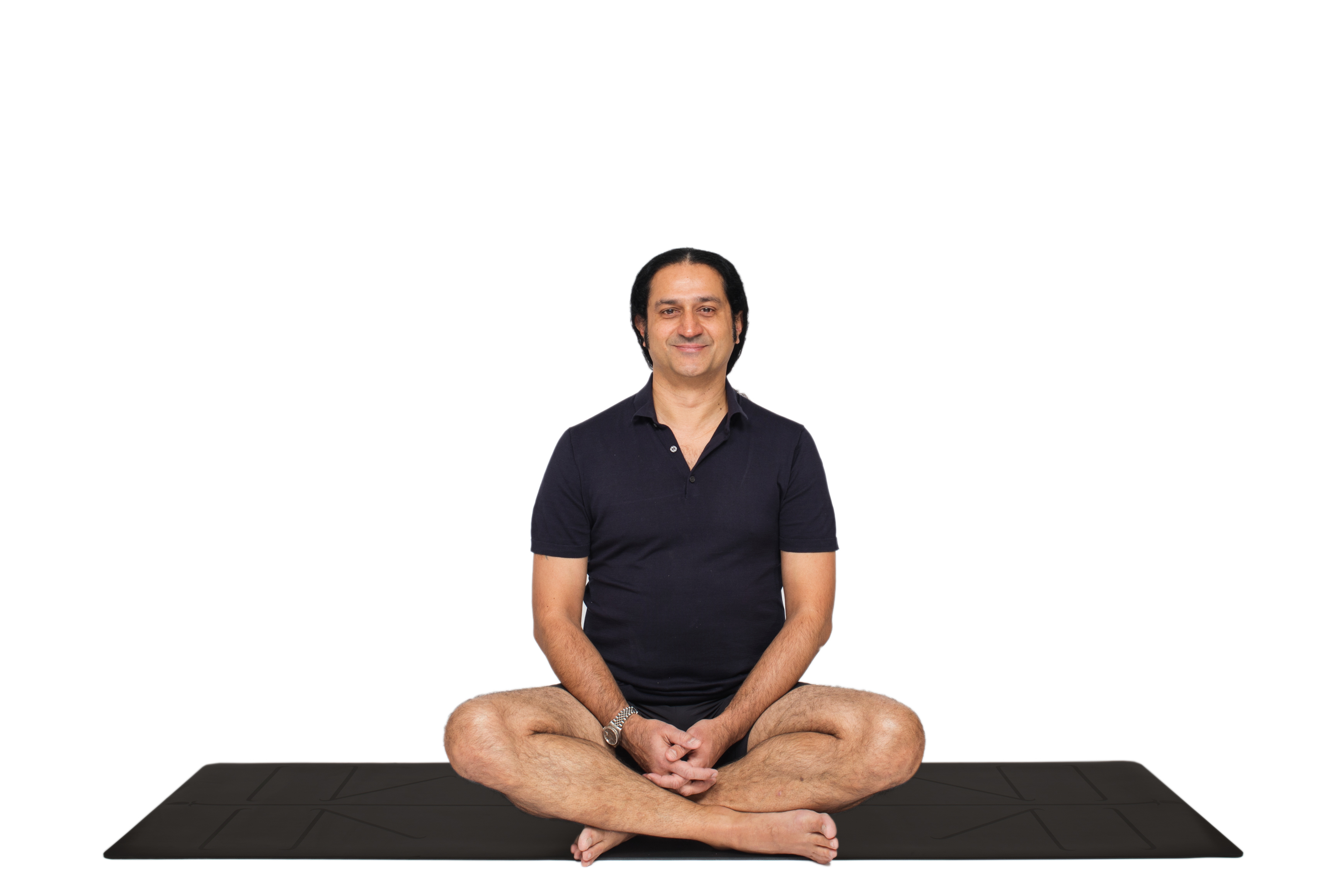

This 5-part clinical series is called The Clinical Biology of Winter, focusing on how to manually engineer your biological system to adapt and maintain resilience during seasonal temperature drops.
When winter arrives, one of the most common physical complaints is respiratory distress. People experience chest tightness, dry coughs, and irritated airways simply from walking outside. The commercial wellness response is to wrap a scarf around your face or stay indoors. However, if you want to effectively protect lungs from cold air, you must understand the clinical mechanics of respiration.
The human respiratory system is not designed to fail in the cold. It fails because modern populations have lost the biomechanical ability to breathe correctly, defaulting to dysfunctional breathing patterns when the body is under environmental stress.
The Biomechanics of Breathing in Cold Weather
To understand how to protect lungs from cold air, we must look at how the respiratory tract responds to environmental inputs. Winter air is fundamentally cold and dry.
When stepping into cold environments, the human body often reacts with a stress response, triggering rapid, shallow breathing. This accelerated breathing rate creates a severe mechanical problem. Because the air travels too quickly through the airway, the nasal cavity does not have enough time to adequately warm and humidify the incoming breath.
Consequently, cold, unconditioned air hits the lungs before it reaches the optimal temperature required for the alveoli to efficiently process and break down the oxygen molecules. When this cold air enters the lower lungs, the smooth muscles around your airways contract—a process known as bronchoconstriction—and the mucosal lining becomes inflamed.
This is a biological defense mechanism, and it is the primary reason people experience winter coughing fits and airway irritation.
The Nasal Cavity as a Biological HVAC System
The human body possesses an advanced, built-in HVAC (heating, ventilation, and air conditioning) system designed specifically for cold environments: the nasal cavity.
The internal architecture of the nose contains complex bony structures called turbinates. These structures are lined with a dense vascular network and specialized mucous membranes. When you breathe slowly through your nose, the incoming air is forced to pass over these warm, moist surfaces, which act as a physical radiator. By the time the air reaches your lower lungs, it has been filtered, humidified, and warmed to body temperature, completely bypassing the bronchoconstriction reflex.
The Yogveda Intervention: Nasal Mechanics and Kumbhaka
This mechanical failure of rapid breathing makes structured Yogveda Pranayama classes vital during the winter months. In the Yogveda system, respiration is treated as a precise biomechanical and chemical tool to protect lungs from cold air.
Soft, Slow Breathing for Thermal Conditioning
To effectively protect lungs from cold air, students are trained to maintain soft, slow, and consciously relaxed breathing even under environmental stress. By intentionally slowing the breath, we increase the transit time of the air through the nasal passages. This extended duration allows the nasal turbinates to function as an effective thermal radiator, warming the air, relaxing and widening the air passages, and ensuring the lungs receive air at the precise temperature needed to safely process it.
Furthermore, driving this slowed air through the narrow passages of the nose synthesizes a gas called Nitric Oxide (NO). Nitric Oxide is a powerful vasodilator and chemical sterilizer. It actively expands the airways and neutralizes airborne winter pathogens before they can reach the vulnerable tissues of the lower lungs.
Kumbhaka: Separating Oxygen from Hemoglobin
Delivering warm, filtered air to the lungs is only the first step if you want to protect lungs from cold air; your body still needs to successfully transfer that oxygen into your cells.
Oxygen is transported through the bloodstream tightly bound to a protein called hemoglobin. In the Yogveda system, by applying structured breath holds (Kumbhaka), we intentionally accumulate a controlled amount of carbon dioxide in the blood. This specific chemical shift triggers the Bohr effect: rising carbon dioxide levels reduce hemoglobin's affinity for oxygen, forcing the hemoglobin to separate from the oxygen molecules and release them directly into the tissues and cellular structures.
To protect lungs from cold air, you do not need to avoid the winter environment. You need to restore the biomechanical function of your nasal cavity, slow your respiratory rate, and use breath retention to command your internal cellular chemistry.
Clinical Study References
Lundberg, J. O., et al. (1995). "Inhalation of nasally derived nitric oxide modulates pulmonary function." Nature Medicine, 1(7), 708-709.
Maltepe, E., et al. (2005). "The Bohr effect and the physiological consequences of altered hemoglobin-oxygen affinity." Journal of Applied Physiology, 98(3), 856-861.
Geurkink, N. (1983). "Nasal anatomy and physiology." Otolaryngologic Clinics of North America, 16(2), 497-504.
"Yogveda is not a flexible performance; it is a clinical intervention. It is the strict biomechanical science of utilizing internal physics, respiratory resistance, and precise metabolic protocols to starve cellular pathology, eradicate systemic inflammation, and restore absolute biological homeostasis." — Master Shahid Khan
Yogveda Yoga Switzerland 🇨🇭 To establish an official Yogveda Yoga School in your city or country, please direct your inquiry to info@yogveda.ch.
Author: Master Shahid Khan Official Portals:


Comments