
Yoga Sutra 1.38 Meaning: Anchoring on Dreams and Dreamless Sleep (Svapna-Nidrā)

स्वप्ननिद्राज्ञानालम्बनं वा ॥ १.३८ ॥
Transliteration: svapna-nidrā-jñānālambanaṁ vā
The Direct Translation: "Or [the mind becomes steady by focusing on] the knowledge that comes from dreams (Svapna) and deep dreamless sleep (Nidrā)."
1. The Core Meaning of the Words
In Sutra 1.38, Patanjali introduces an often-overlooked but highly effective method to bring the restless mind to rest. He utilizes two everyday, yet fascinating, states of consciousness:
Svapna (स्वप्न): The dream state; the thoughts, memories, and sensory projections that play out while the physical senses rest.
Nidrā (निद्रा): Deep, dreamless sleep. Patanjali defines this state in Sutra 1.10 as a distinct mental activity resting on the conscious experience of absence (no thoughts, no ego, no sensory input).
Jñāna (ज्ञान): Knowledge, conscious recognition, or clear insight.
Ālambanam (आलम्बनम्): A support, anchor, or focal point you rest your attention upon.
Vā (वा): Or (the next practical method in Patanjali’s sequential toolkit).
2. Part 1: The Insight from Dreams (Svapna)
In modern pop-spiritual circles, this sutra is frequently misunderstood. Many believe Patanjali is telling them to analyze their dreams, decode symbols, or practice lucid dreaming.
This is a critical mistake. Most dreams simply reflect the restless, stressed daily activity of the mind. They are unfinished emotional conflicts, anxieties about money, fears, or unfulfilled desires (Rāga).
Patanjali does not ask us to take these chaotic images seriously. On the contrary: the insight (Jñāna) from dreams arises when we understand how mental illusions operate:
Dismantling the Illusion: In a nightmare, your heart races, you sweat, and you feel fear. To your nervous system, the threat in that moment is absolutely real. When you wake up, you realize the "enemy" never existed outside your own head. When you meditate on this insight, you understand that your everyday waking fears – worries about status, recognition, or failure – are also mostly self-made "daydreams" of your overactive brain.
The Rare Sāttvika Dream: Occasionally, you wake up from a state of profound, untouched inner peace or unclouded clarity. Instead of immediately reaching for your smartphone, Patanjali advises anchoring your attention entirely on this peaceful lingering feeling and allowing the mind to bathe in it.
3. Part 2: The Healing Emptiness of Dreamless Sleep (Nidrā)
The second half of the sutra is dedicated to Nidrā – deep, completely dreamless sleep.
Most people consider dreamless sleep to be a mere "blackout" in which nothing exists. However, Patanjali and his classical commentator Sage Vyāsa explain that Nidrā is a highly conscious restful state. Every human being knows the immediate memory upon waking:
"I slept so deeply and well. I had no worries, wanted nothing, and was completely at peace."
If you were absolutely unconscious during deep sleep, you would not be able to remember this peace after waking. This memory is Nidrā-Jñāna: the direct, experiential realization of how peaceful your consciousness is by nature when it stops chasing thoughts.
┌────────────────────────────────────────────────────────┐
│  THE TWO PATHS TO MENTAL STILLNESS (Sutra 1.38)        │
├────────────────────────────┬───────────────────────────┤
│  1. SVAPNA (Dreams)        │  2. NIDRĀ (Dreamless)     │
│  - Dissolves the illusion  │  - Experiences ego-loss   │
│  - Dissipates waking drama │  - Shuts down the DMN     │
│  - Processes emotions      │  - Generates Delta waves  │
└─────────────┬──────────────┴─────────────┬─────────────┘
              │                            │
              ▼                            ▼
┌────────────────────────────────────────────────────────┐
│  THE NEUROPHYSIOLOGICAL RESULT: Sthiti                 │
│  - The brain stops the non-stop search for stimulus    │
│  - The nervous system switches to deep regeneration    │
│  - An unshakeable, steady mind is born                 │
└────────────────────────────────────────────────────────┘
4. The Applied Neuroscience: REM Chaos vs. Delta Healing
Modern sleep medicine confirms the exact neurobiological mechanisms behind this ancient text:
The Restless Dream Chaos (REM Sleep / Svapna)
During dream sleep (REM sleep), your brain's emotional center (the amygdala) is highly active, while the logical forebrain (prefrontal cortex) is asleep. The brain processes emotional stimuli and reduces stress hormones. However, obsessively analyzing these dreams during the waking state only agitates the system further.
The Healing Emptiness of Deep Sleep (Delta Waves / Nidrā)
In deep, dreamless sleep (NREM sleep stage 3), brain activity slows radically into the Delta wave (0.5–4 Hz) range:
The Ego-Network Shuts Down: The Default Mode Network (DMN)—the brain loop responsible for rumination, the sense of self, money worries, and future anxieties—goes completely offline.
The Dopamine Chase Pauses: The brain stops all searching for reward, recognition, or stimuli.
Physical Relieving: Blood pressure drops, cortisol falls to a minimum, and cerebrospinal fluid literally washes metabolic waste from the tissue.
When you recall the memory of this deep, absolute freedom from worry during meditation, your waking brain mimics this state: the restless carousel of thoughts stops, and your nervous system finds its way back into its natural stability (Sthiti).
5. The Dialogue: Master Khan on Awakening from the Everyday Movie
Student: "Master Khan, I often have confused and stressful dreams. Should I use these dreams as a meditation anchor?"
Master Khan: "No. A confused dream is just the trash can of your brain emptying itself at night. If you analyze these images in the waking state, you only stir up the old mud again. The insight from dreams lies in understanding how easily your own mind deceives you. A nightmare feels real until you wake up and realize: it was only a thought. The exact same applies to your everyday worries about status and failure. They are just daydreams."
Student: "And how do I meditate on Nidrā, the dreamless deep sleep, when I wasn't 'there' at all?"
Master Khan: "You were there, but your ego was not. Think of the first feeling in the morning after a good sleep: 'I slept so deeply; I knew nothing.' This memory of 'knowing nothing' is the greatest teaching. For a few hours, you had no bank account, no enemies, no deadlines, and no physical pain. Your ego was mute, and yet you were in the deepest peace."
Student: "So we use the memory of this empty stillness in the waking state?"
Master Khan: "Exactly. Your mind is addicted to noise, drama, and non-stop busywork. When you sit quietly and remember the absolute emptiness and freedom from worry of deep sleep, you signal to your brain: it is safe to stop thinking now. Peace is always there – you just have to stop making noise."
Scientific Studies & Classical References
Siclari, F., et al. (2017). The neural correlates of dreaming. Nature Neuroscience, 20(6), 872-878.
Scientific Proof: Demonstrates that everyday dreams are local cortical discharges without conscious control – they are emotional projections, not wisdom.
Tononi, G., & Cirelli, C. (2014). Sleep and the price of plasticity. Neuron, 81(1), 12-34.
Scientific Proof: Explains how dreamless deep sleep (Delta oscillations) relieves brain cells, downregulates the nervous system, and reduces stress.
Garrison, K. A., et al. (2015). Meditation leads to reduced default mode network activity. NeuroImage, 114, 1-8.
Scientific Proof: Proves that consciously recalling states of mental quiet – similar to the deep sleep experience – shuts down the rumination network in the brain.
Bryant, E. F. (2009). The Yoga Sūtras of Patañjali: A New Edition, Translation, and Commentary with Sanskrit text. North Point Press.
Classical Proof: Includes Sage Vyāsa’s original commentary (Vyāsa Bhāṣya) on Sutras 1.10 and 1.38, describing the precise practice of anchoring on the insight of ego-emptiness (Nidrā-Jñāna).
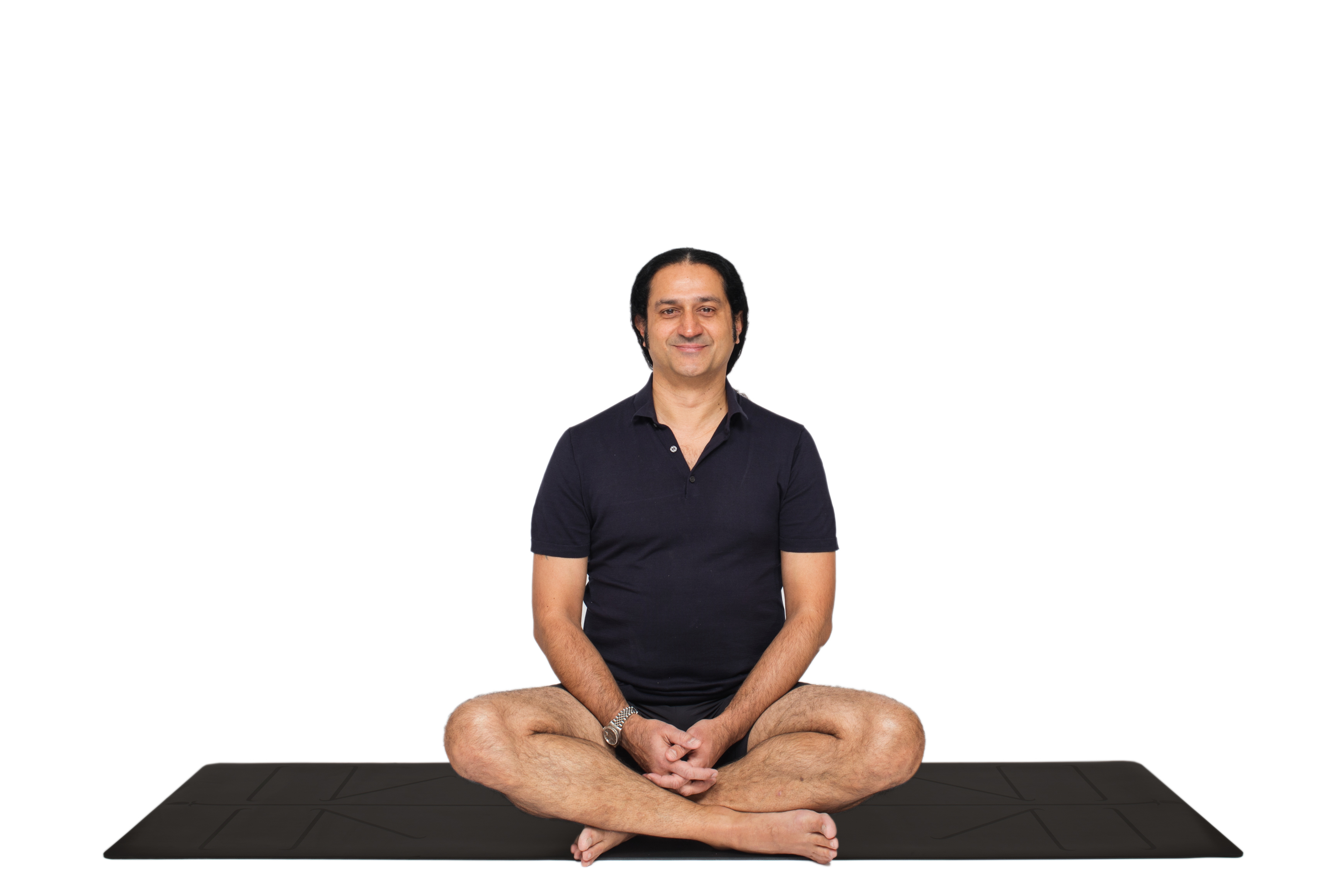
About the Author: Master Shahid Khan is the founder of Yogveda Yoga Switzerland, lead educator for university-level teacher certifications, and designer of The Yoga Mat—a clinical alignment system engineered for precise biomechanical joint stacking.
👉 Yogveda Asana Lesson : Build the physical presence to distinguish between what is real in the body and what is just a feeling.
👉Yogveda Yoga Teacher Training in Bern: Deepen your understanding of Patanjali's philosophy of mind and truth.
Author, Master Shahid Khan
Yogveda Yoga Switzerland 🇨🇭


Comments